Athens and Ancient Corinth Biblical Tour: Following the Footsteps of the Apostle Paul
The Athens and Ancient Corinth biblical tour follows one of the most extraordinary journeys in early Christian history — the path walked by the Apostle Paul through two of the ancient world's greatest cities. In Athens, he preached to philosophers on the Areopagus. In Corinth, he spent 18 months building the first significant Christian community in Greece, was put on trial before a Roman proconsul, and sailed from its harbor toward Ephesus and the wider world. This tour traces those footsteps across two days that shaped the foundations of Western Christianity.
Athens — The Monuments and the Apostle
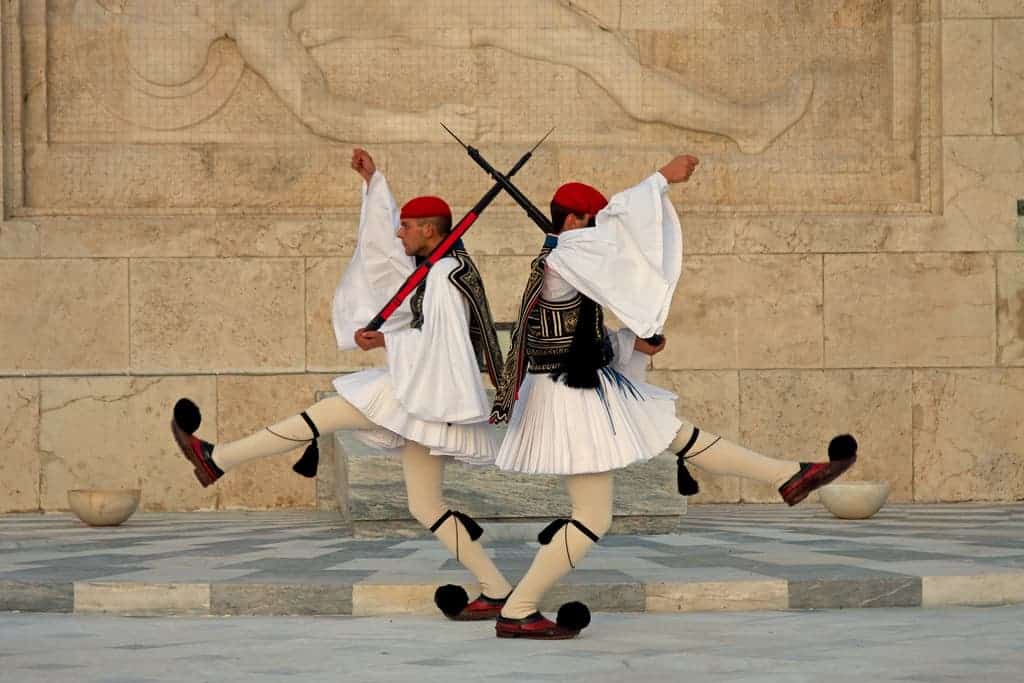
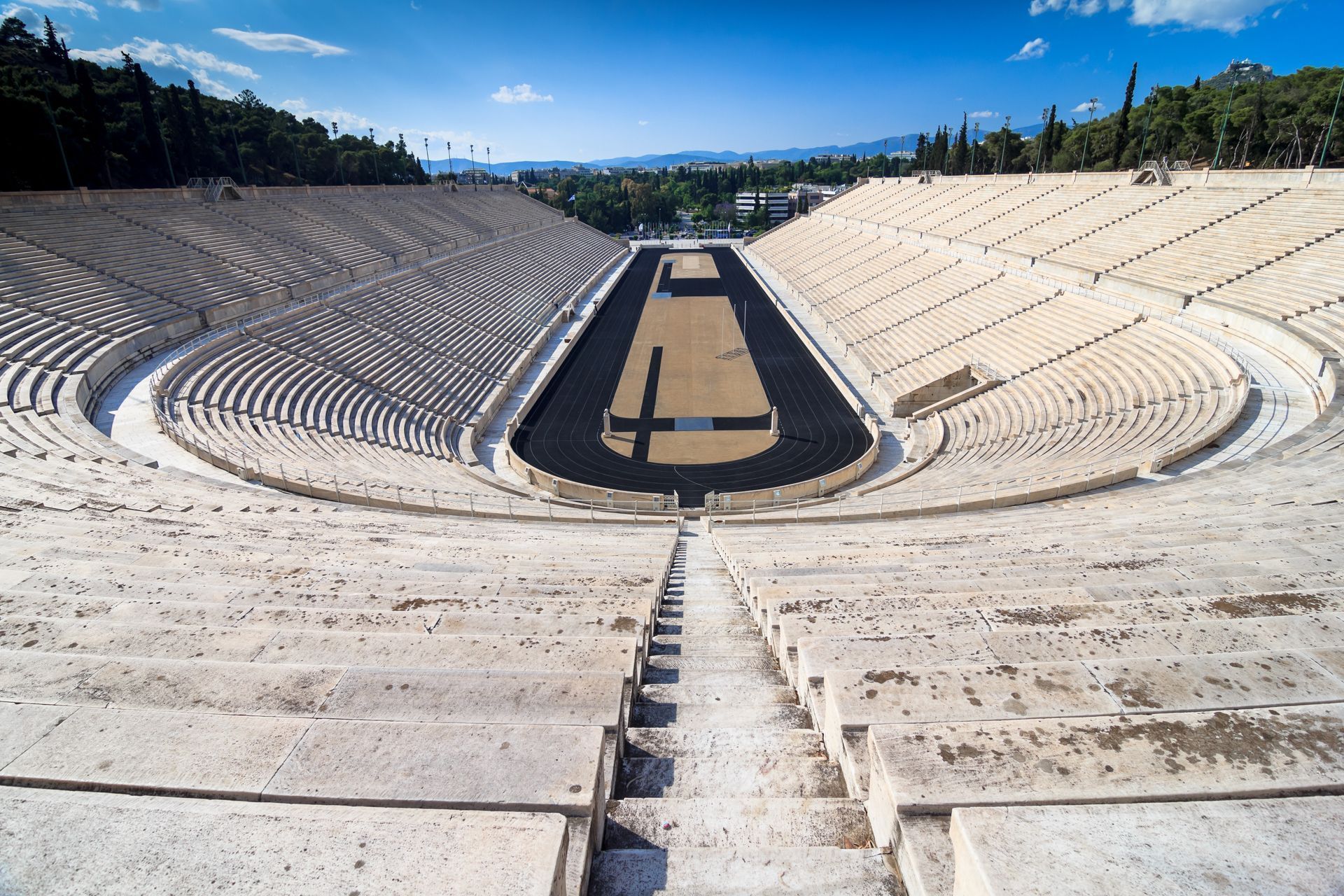
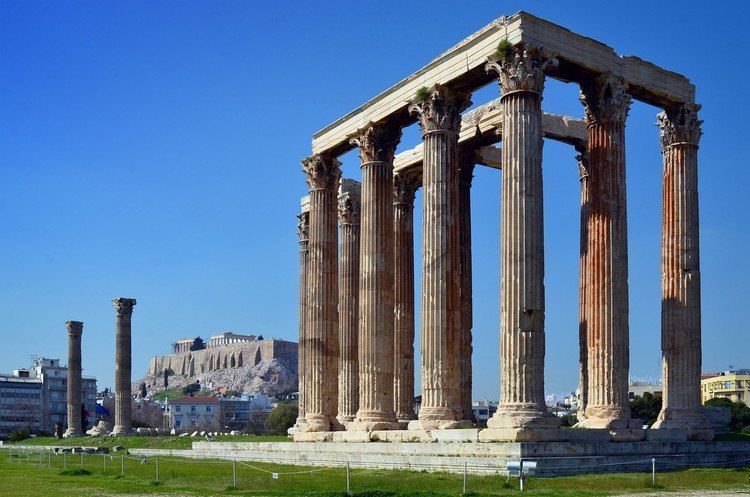
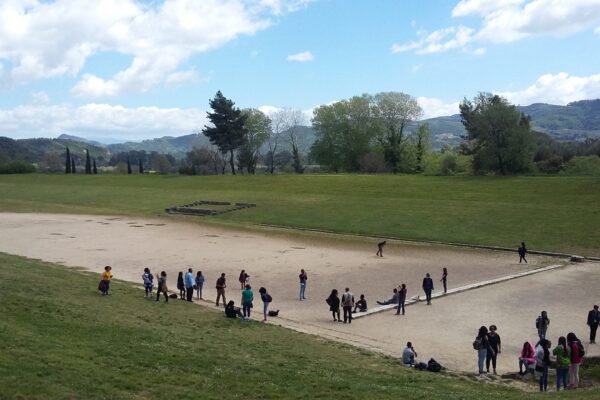
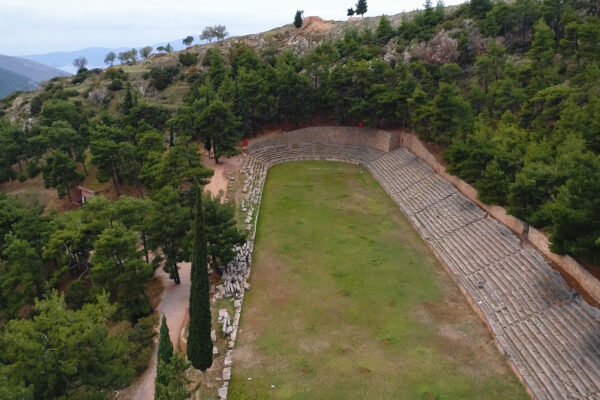
The morning covers the essential landmarks of Athens, beginning at the Panathenaic Stadium — the only stadium in the world built entirely of white Pentelic marble, host to the first modern Olympic Games in 1896. From there, the tour passes the Temple of Olympian Zeus, with its 15 surviving Corinthian columns each 17 meters tall, before arriving at Syntagma Square for the changing of the Evzone guards at the Tomb of the Unknown Soldier — a ceremony whose 400-pleated fustanella carries one fold for each year of Ottoman rule.
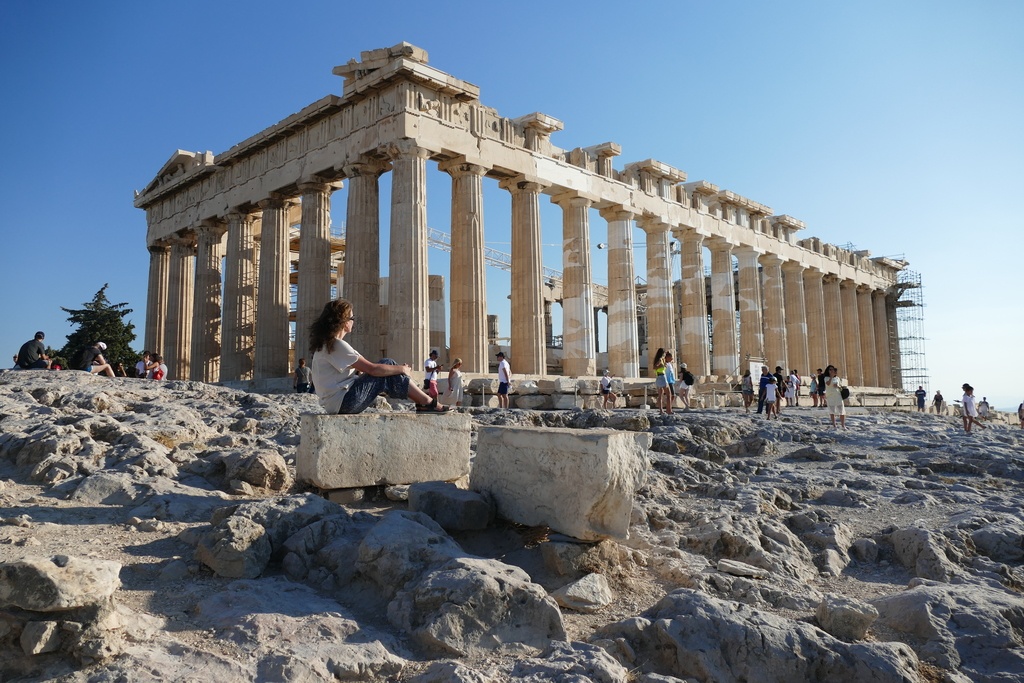
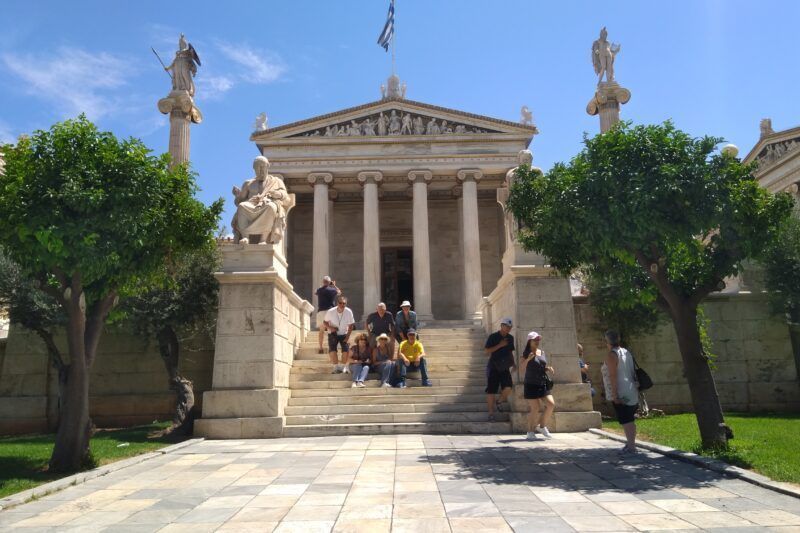
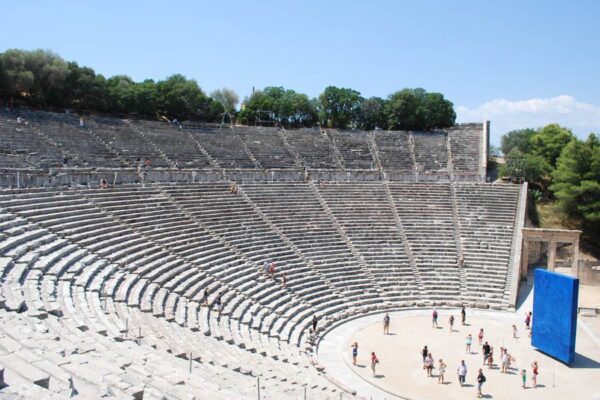
At the Acropolis, built under Pericles between 447 and 406 BC by the architects Iktinos and Kallikrates under the artistic direction of Phidias, the tour takes in the Parthenon, the Erechtheion with its Porch of the Caryatids, the Temple of Athena Nike, and the Theatre of Dionysus — the first theatre ever built in the world, where Sophocles, Euripides, and Aristophanes premiered their works for audiences of up to 17,000. The Athens Trilogy — the University, the Academy of Arts and Sciences, and the National Library, designed by Danish architect Theophil Hansen in the 19th century — marks some of the finest neoclassical architecture in Europe.
Then comes the moment that gives this tour its particular character. Just below the Acropolis, the Areopagus — Mars Hill — is a bare rocky outcrop where the ancient Athenian council of justice once convened. It was here, as recounted in Acts 17:16–34, that Paul delivered the most dramatic and fully reported speech of his entire missionary career. He had arrived in Athens around 50 AD, troubled by the city's abundance of altars and idols, and had been debating daily in the Agora with Epicurean and Stoic philosophers.
Brought before the Areopagus to explain his teaching, he addressed the assembled Athenians with a speech of remarkable philosophical sophistication — engaging their own poets and traditions to argue for a single creator God. Among those who became followers that day were Dionysius, a member of the Areopagus council, and a woman named Damaris. A bronze plaque at the foot of the rock carries the full text of Paul's speech in Greek. Standing there, with the Acropolis directly above and the ancient Agora visible below, is one of the most quietly powerful moments on the entire tour.
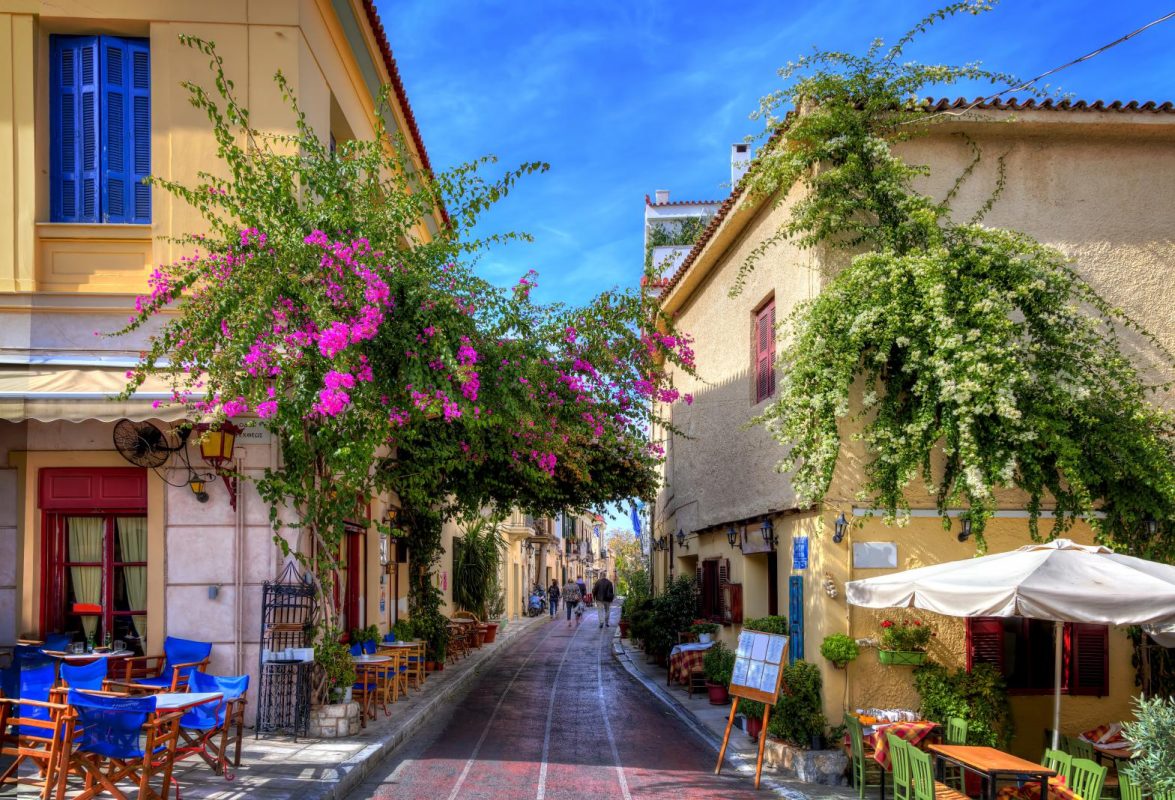
The morning ends with free time in Plaka — the oldest continuously inhabited neighborhood in Athens — and a walk through the Monastiraki flea market before the drive to Corinth.
Corinth — Commerce, Power & the Trial of Paul
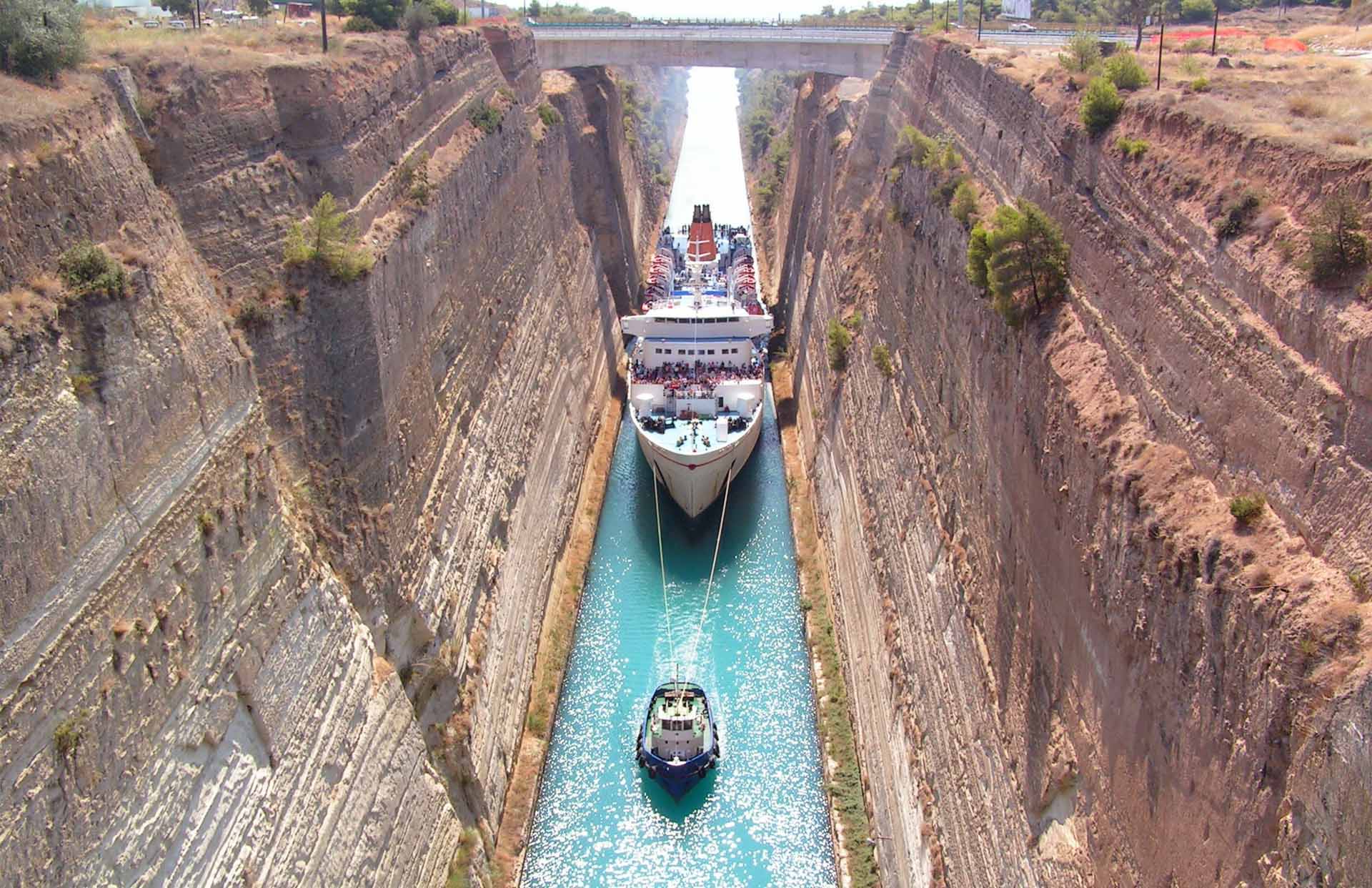
An hour's drive southwest, the first stop is the
Corinth Canal — 6 kilometers of sheer rock walls completed in 1893, realizing a dream the Corinthians had pursued since the 7th century BC using the Diolkos, a stone road on which ships were physically dragged between the Lechaion harbor on the Corinthian Gulf and Kenchreai on the Saronic Gulf, giving the city dominance over Mediterranean trade for centuries.
The tour continues to the ancient port of Kenchreai, from which Paul sailed for Ephesus in 52 AD after his long ministry in Corinth. From Kenchreai, the road to Ancient Corinth is the same road Paul walked.
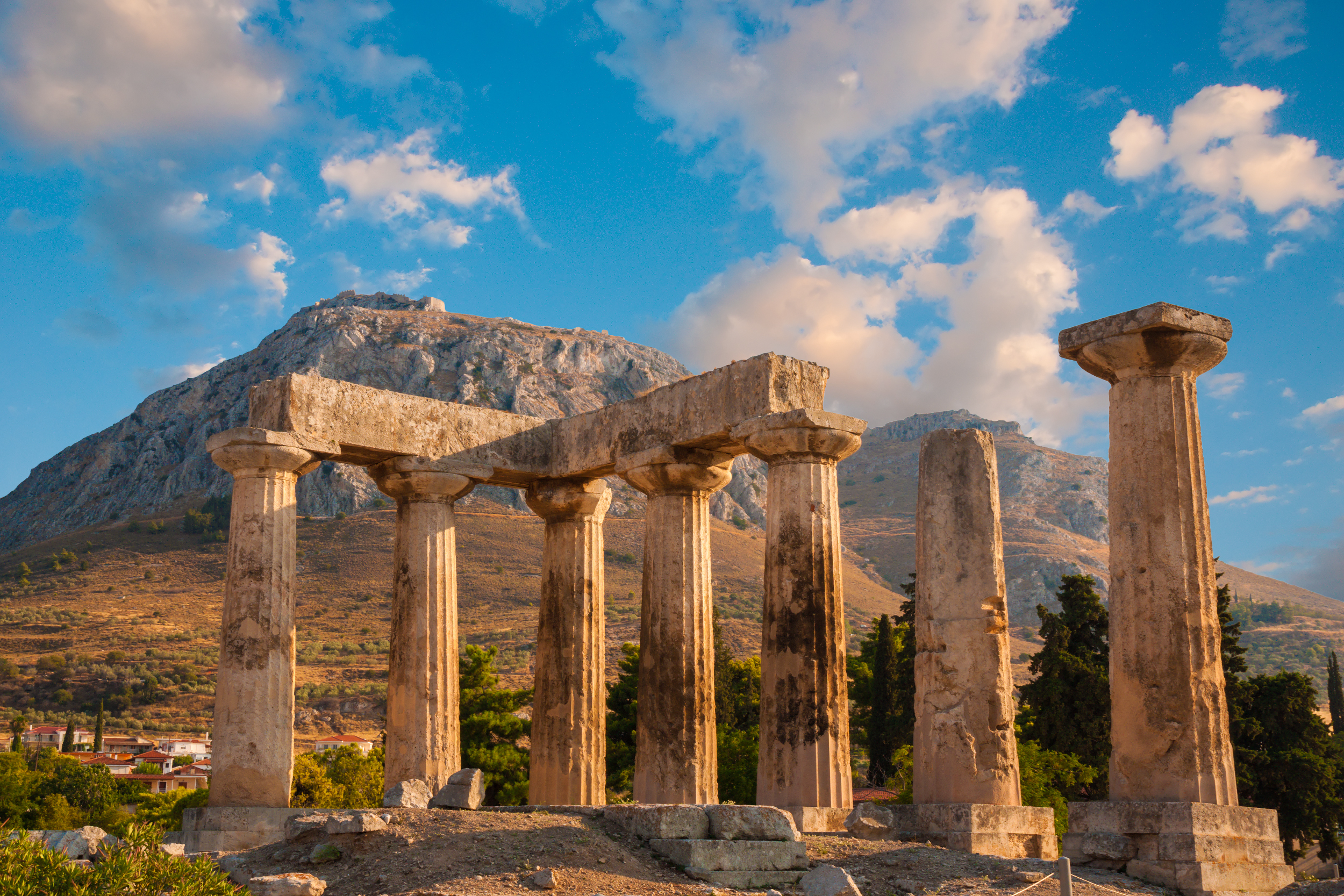
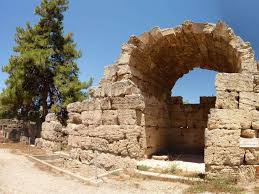
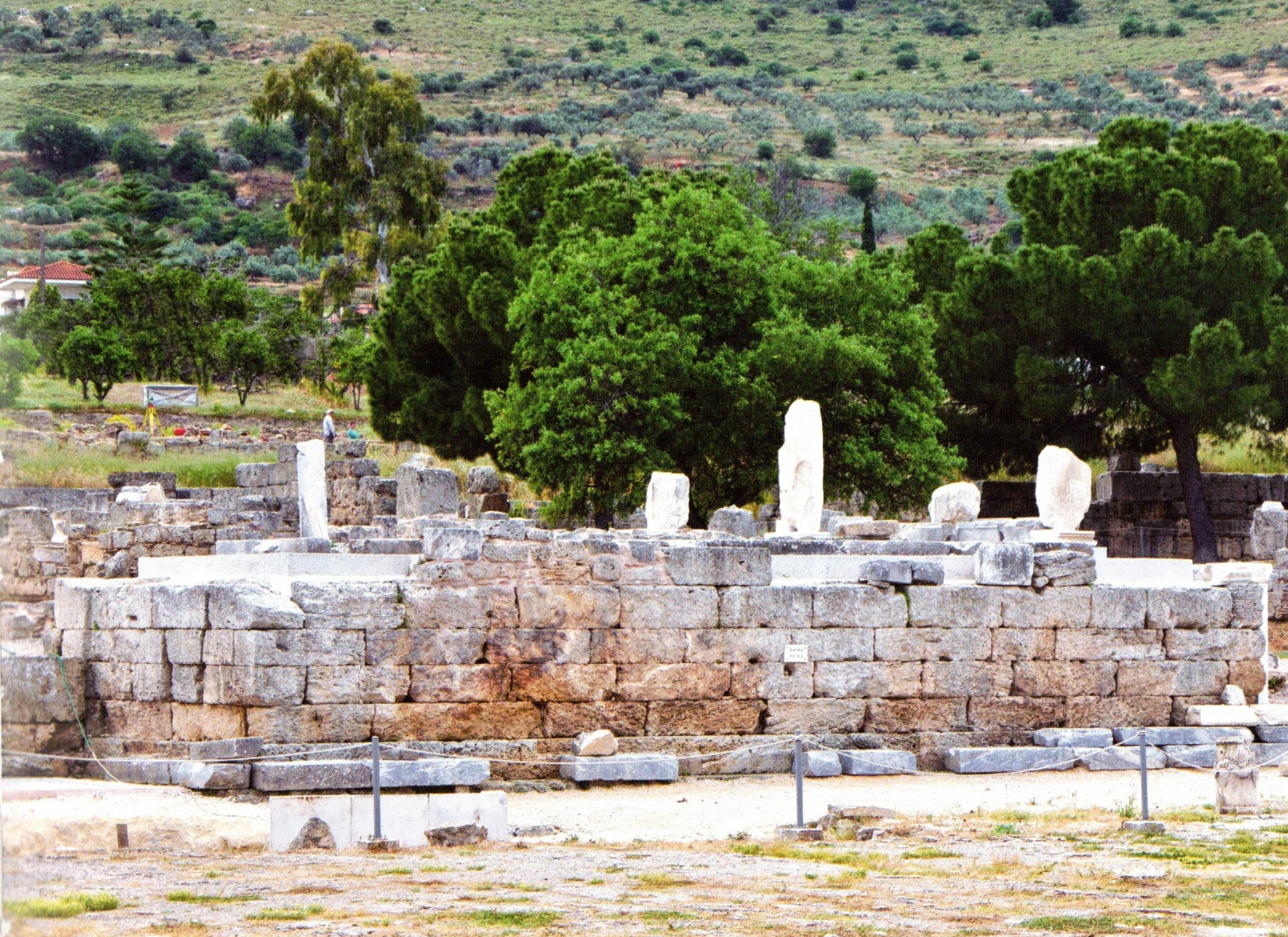
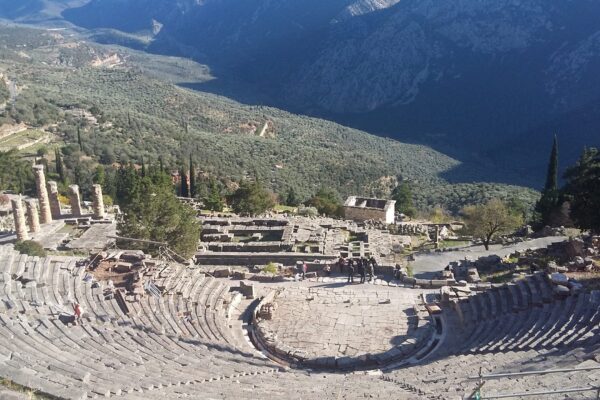
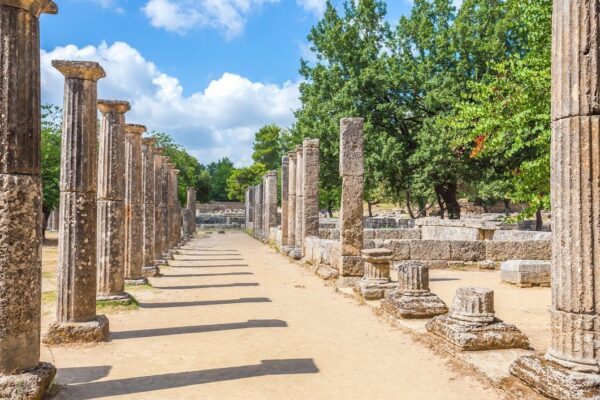
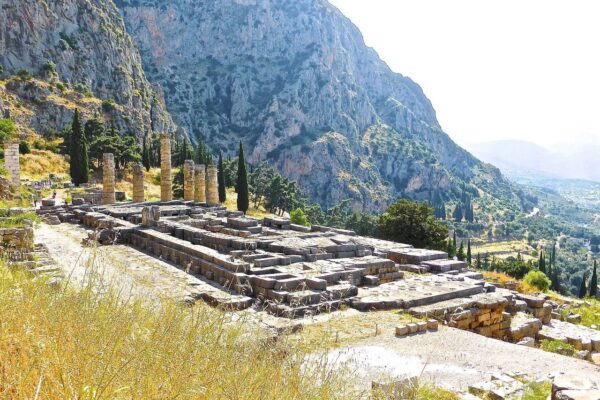
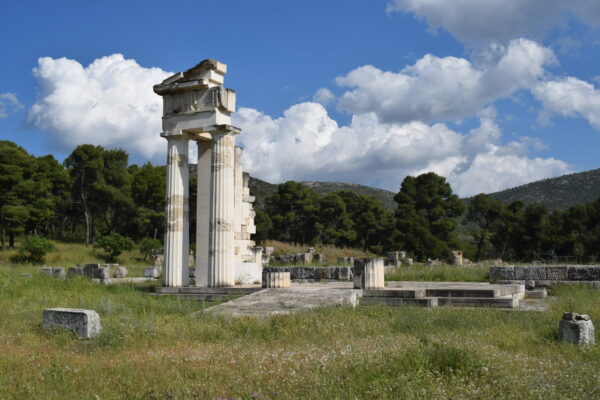
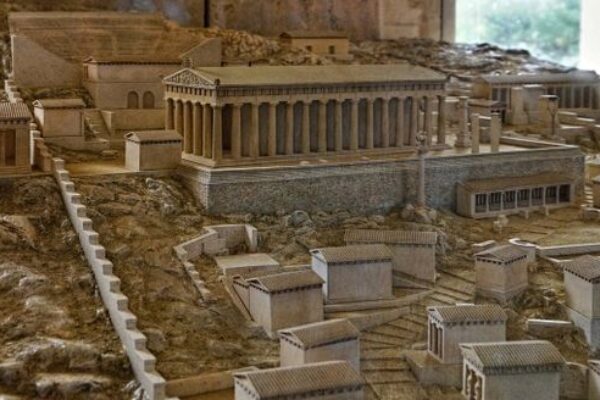
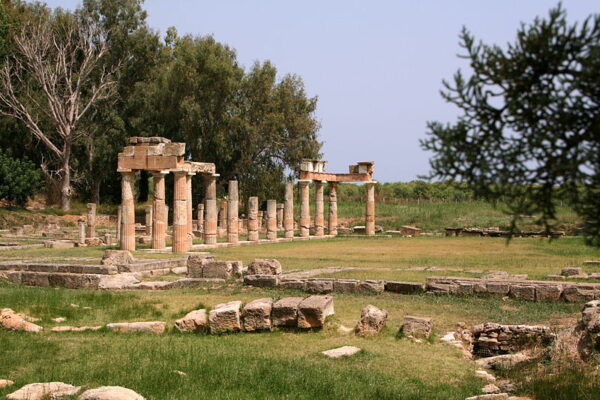
At the archaeological site, the Temple of Apollo — built in the 6th century BC with seven original Doric columns still standing — dominates the view. Walking the ancient agora below it, you pass Glauke's Well (tied to the myth of Jason and Medea), Roman temples and baths, and arrive at the Bema — the raised stone platform where Paul stood trial before the Roman proconsul Gallio in 52 AD, as described in Acts 18.
Paul had remained in Corinth for a year and a half, teaching the word of God, before Jewish opponents brought him before Gallio, who dismissed the case as a matter of internal religious dispute and threw them out of court. It was the longest stay of his entire missionary career, and Corinth became one of the most important early centers of Christianity as a result. Paul's two letters to the Corinthians — among the most personal and theologically rich texts in the New Testament — were written to the community he built in this city.
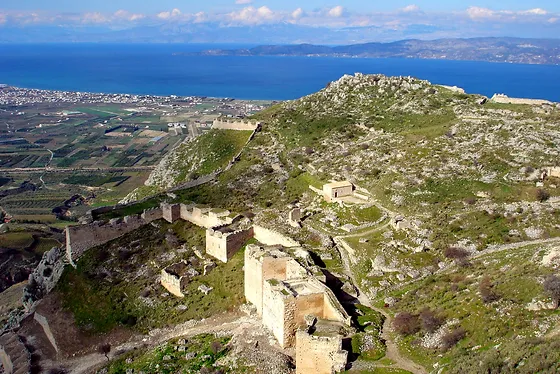
Above the archaeological site, Akrokorinthos offers one of the most dramatically positioned viewpoints in the Peloponnese — a citadel that passed through Greek, Roman, Byzantine, Frankish, Venetian, and Ottoman hands over nearly two millennia, with views across two seas on a clear day.
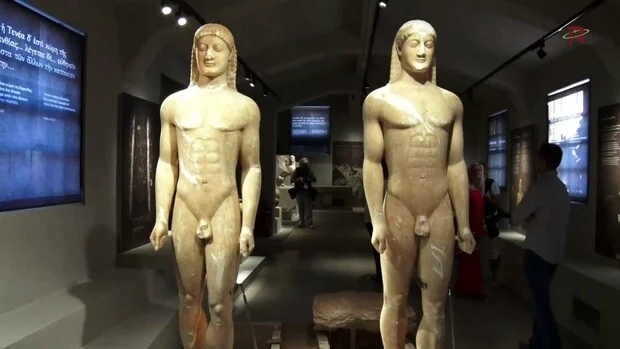
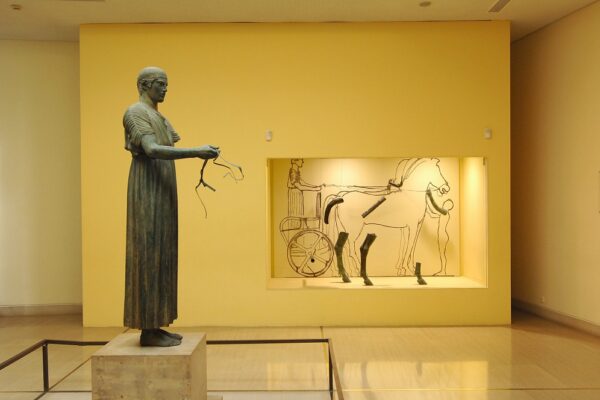
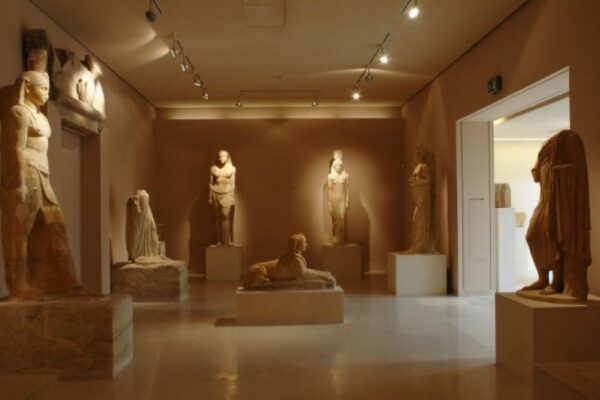
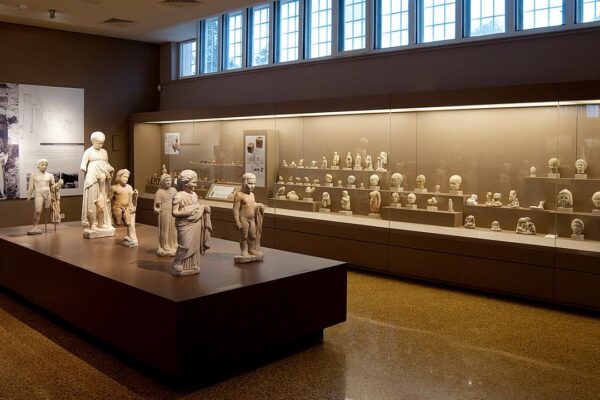
Inside the museum, the collection spans Mycenaean artifacts, items from the sanctuary of Asclepios, theatre friezes depicting the Twelve Labors of Hercules, busts of Roman emperors, and the bust of Apollo, widely believed to have inspired the design of the Statue of Liberty in New York. After lunch in the village of Ancient Corinth, the tour returns to Athens.
Book your
Athens and Ancient Corinth biblical tour and follow the road that connected two great ancient cities — and helped carry a new faith across the ancient world.