Delphi and Thermopylae Tour from Athens: The Oracle and the Last Stand
The Delphi and Thermopylae tour from Athens follows the most consequential road in ancient Greek history — the route northwest from Athens through Boeotia that leads to the sanctuary that was the spiritual centre of the ancient world, and then north to the narrow coastal pass where 7,000 Greeks stopped the largest army ever assembled in antiquity for three days in August 480 BC. These two sites are historically connected in a way that most visitors never learn: the Oracle at Delphi had prophesied before the battle that either Sparta or one of her kings must fall — and Leonidas, knowing this, marched north anyway.
Delphi — Where the Ancient World Sought Answers
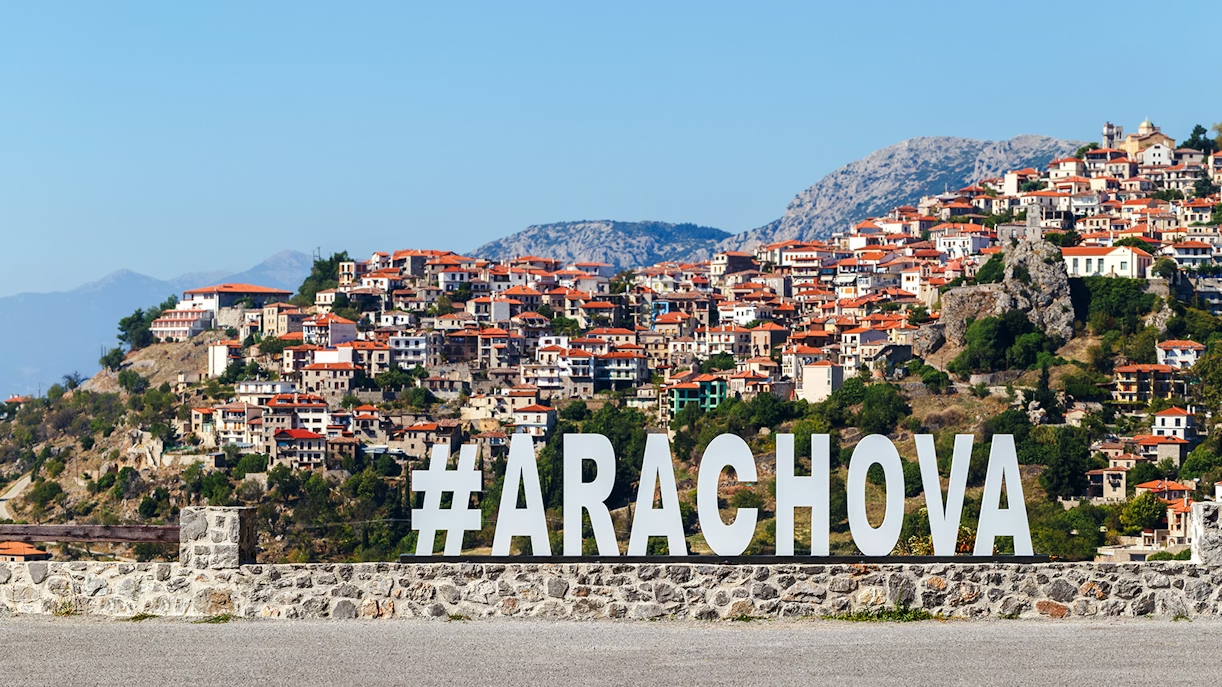
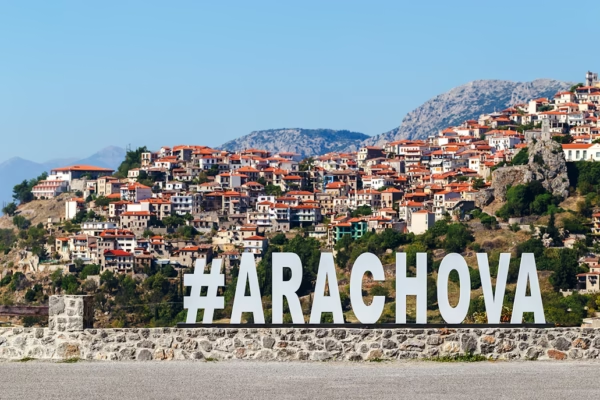
The drive northwest from Athens takes approximately two and a half hours, passing through the plains of Boeotia before the road climbs into the mountains of central Greece. A stop in Arachova — the stone-built village on the slopes of Mount Parnassus, ten minutes from Delphi — is a natural first pause before the archaeological site.
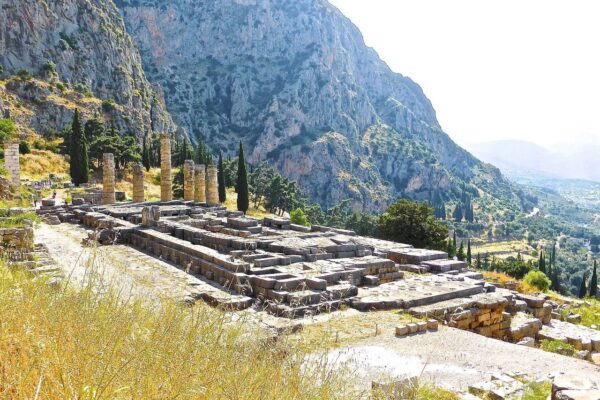
At
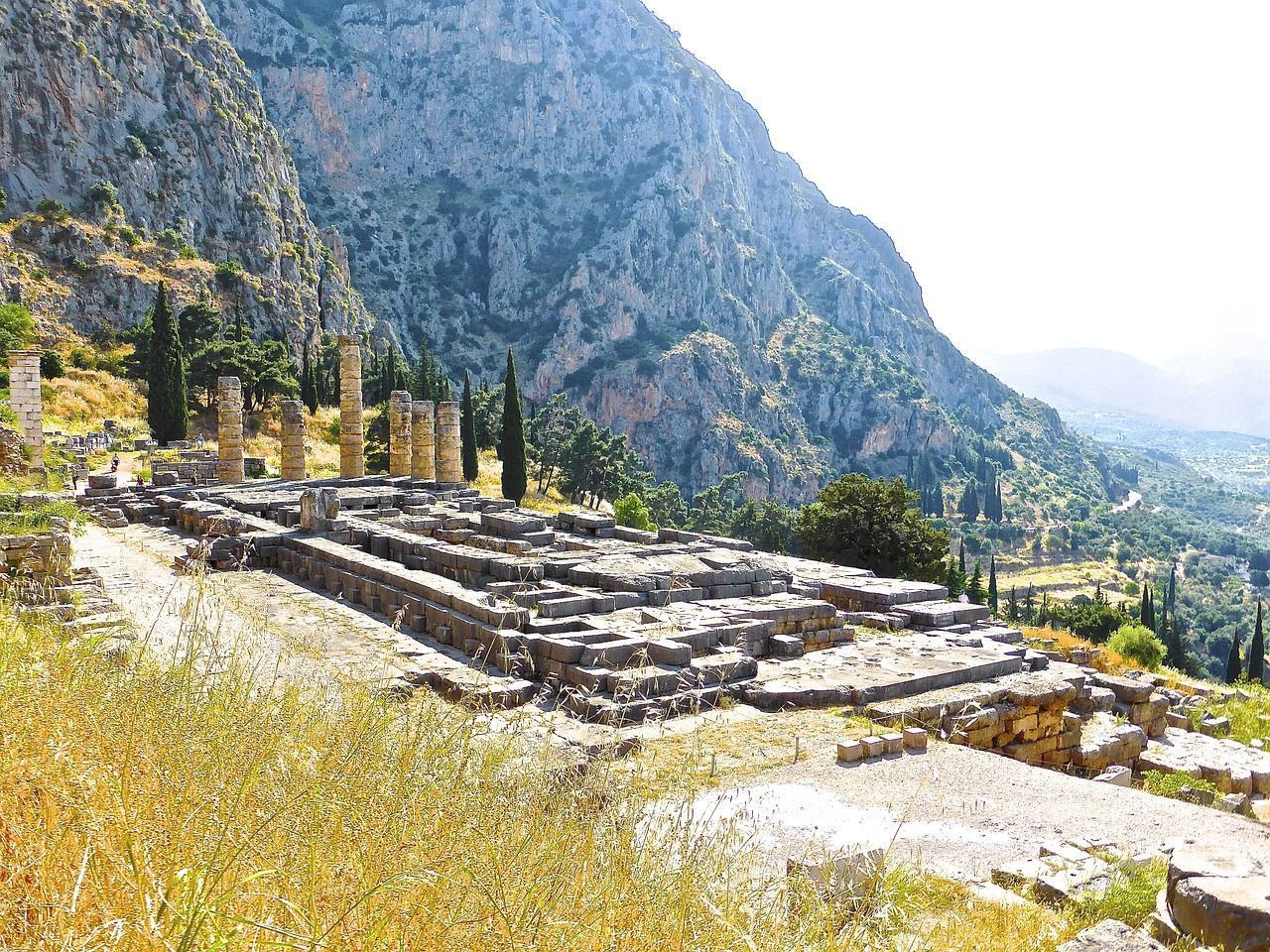
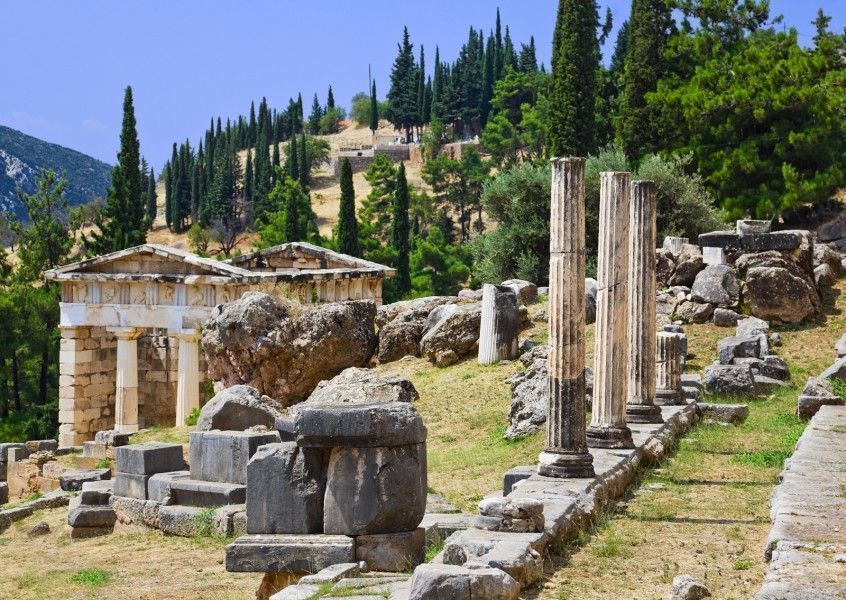
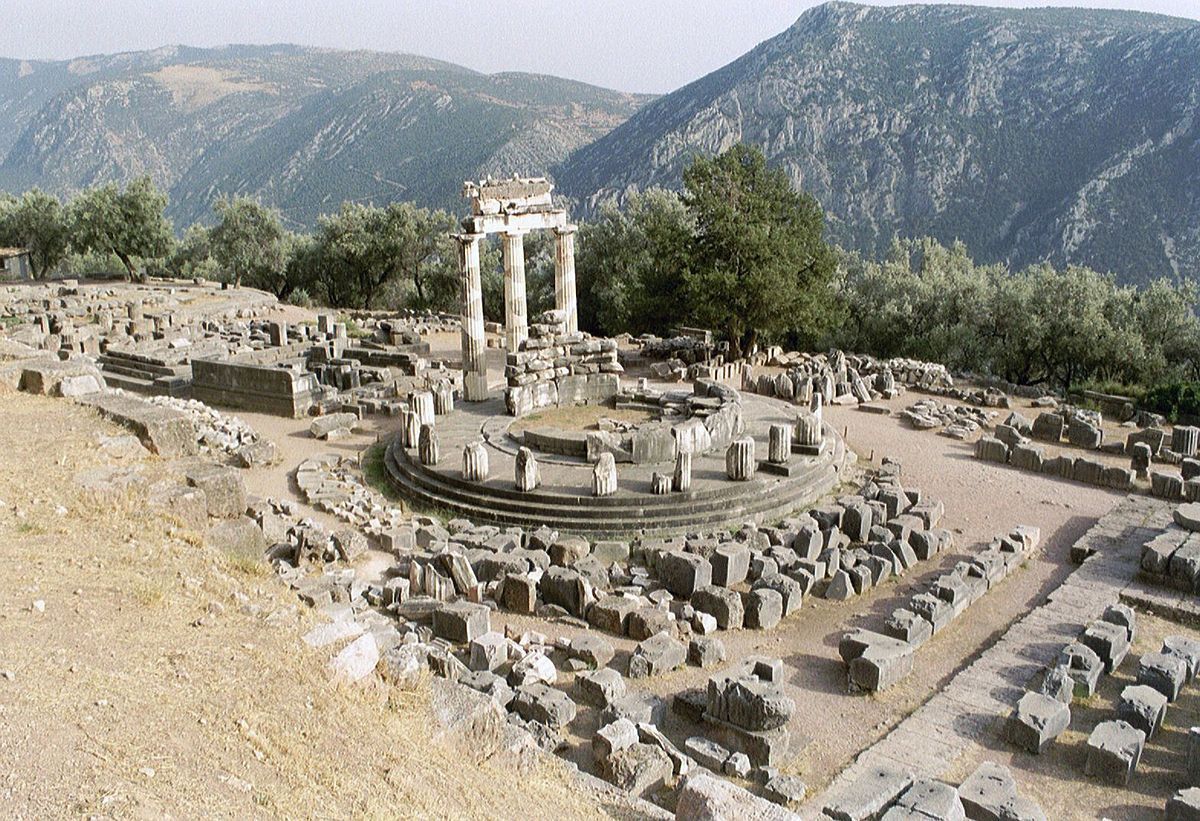
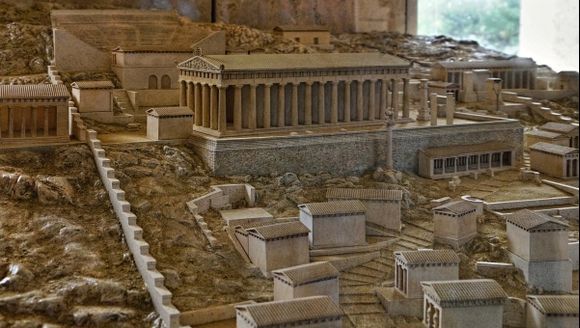
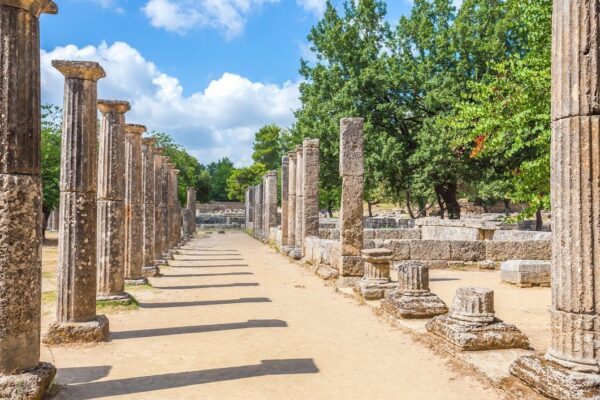
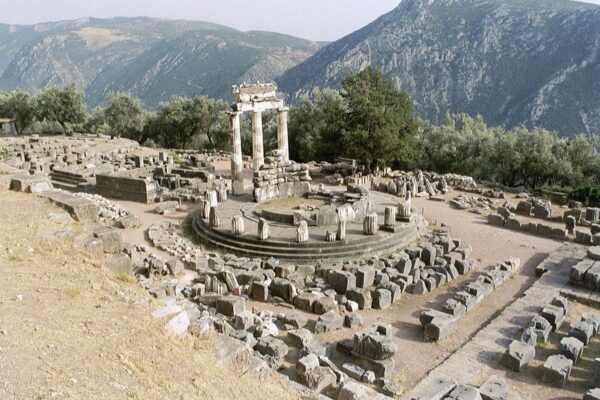
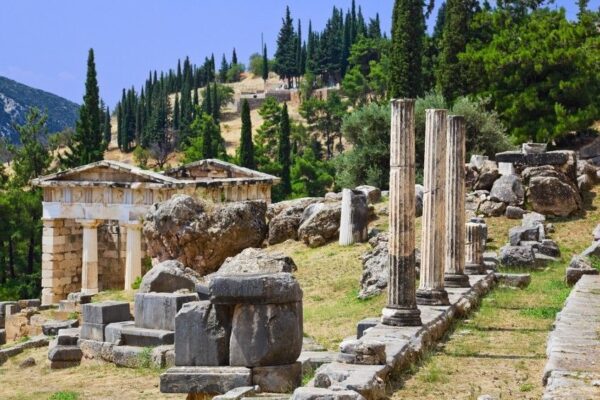
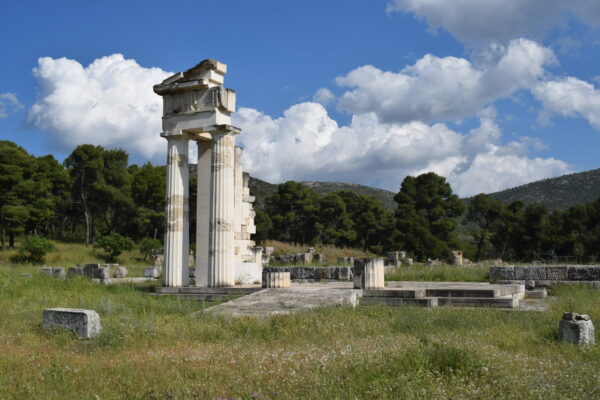
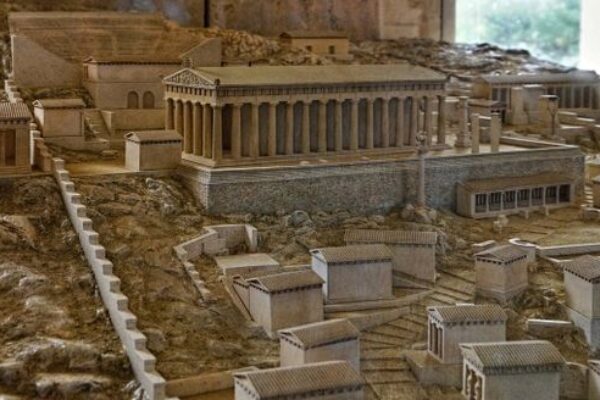
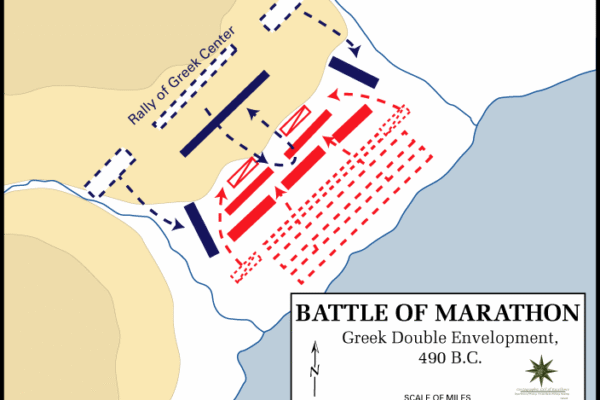
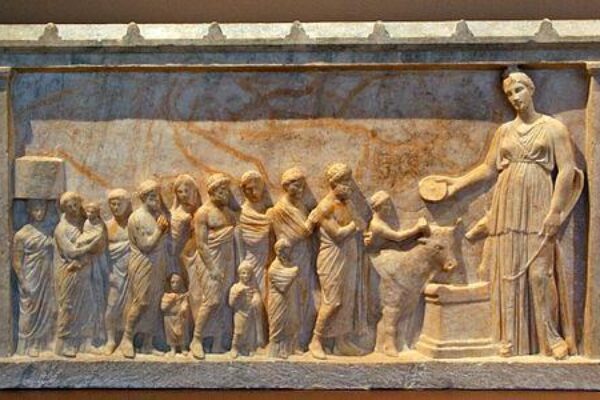
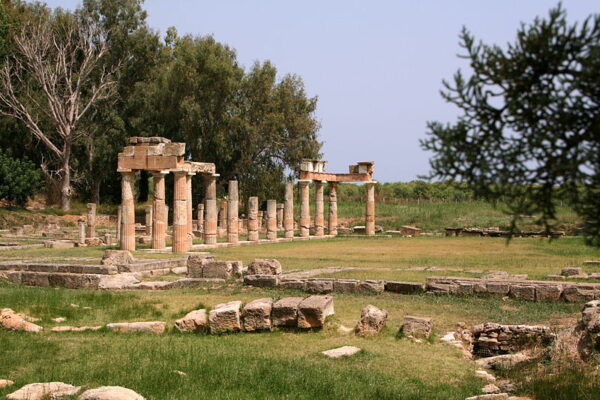
Delphi, the tour follows the Sacred Way uphill past the treasuries built by Greek city-states as offerings to Apollo. The Treasury of Athens, built around 490 BC from Pentelic marble to celebrate the victory at Marathon — the same battle that had humiliated Persia a decade before Thermopylae — is one of the finest structures on the site. At the top of the Sacred Way stands the Temple of Apollo, where the priestess Pythia sat on her tripod, entered a trance induced by vapors rising from a fissure in the earth, and delivered prophecies that shaped the decisions of rulers across the ancient world.
It was here, before the Persian invasion, that Leonidas received the oracle that Delphi would later be proved right about. And it was here too that the Athenians came seeking guidance — and were told that their salvation lay in their "wooden walls." Themistocles interpreted this as Athens' fleet and built the navy that would destroy the Persian armada at Salamis two months after Thermopylae.
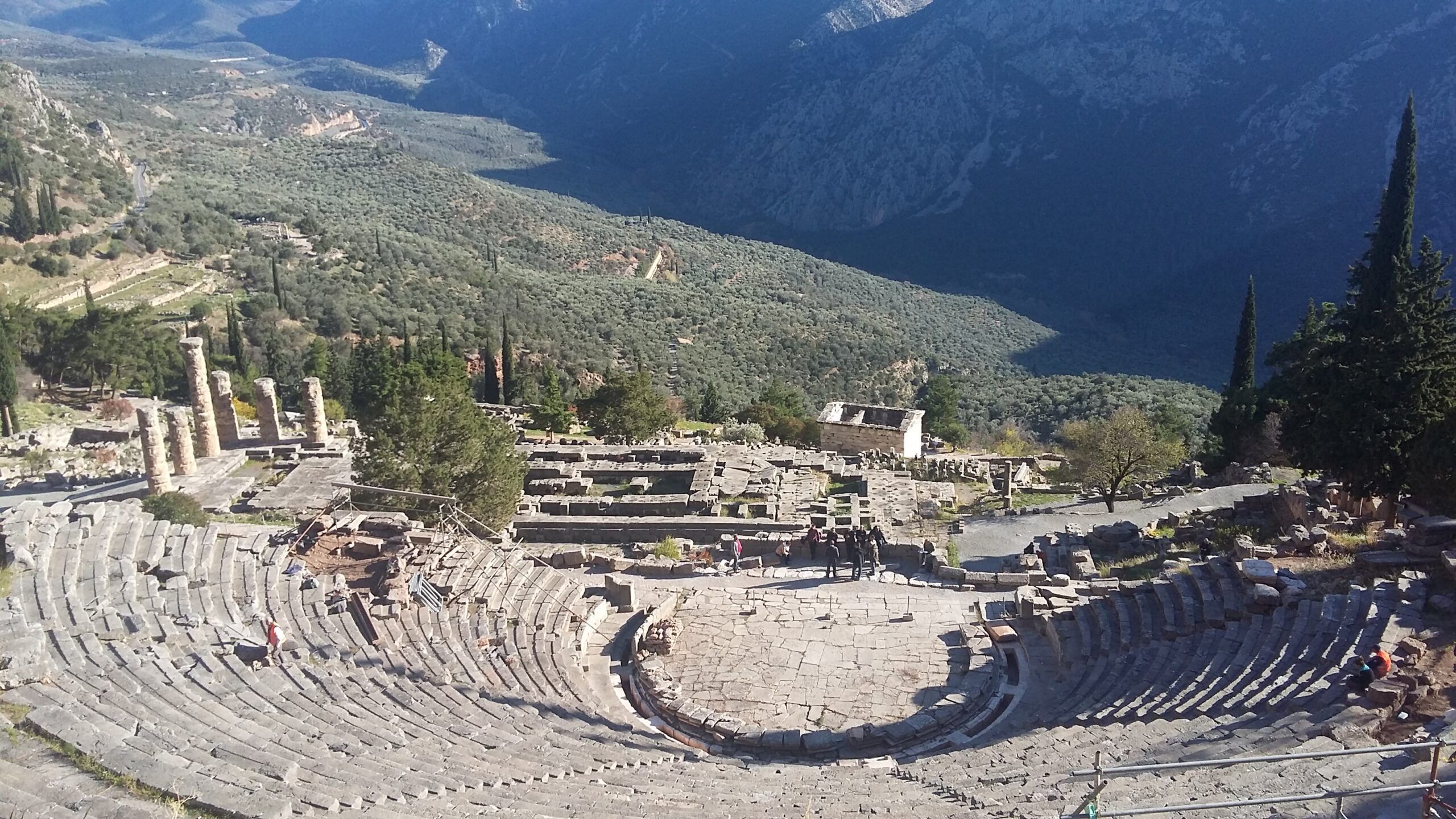
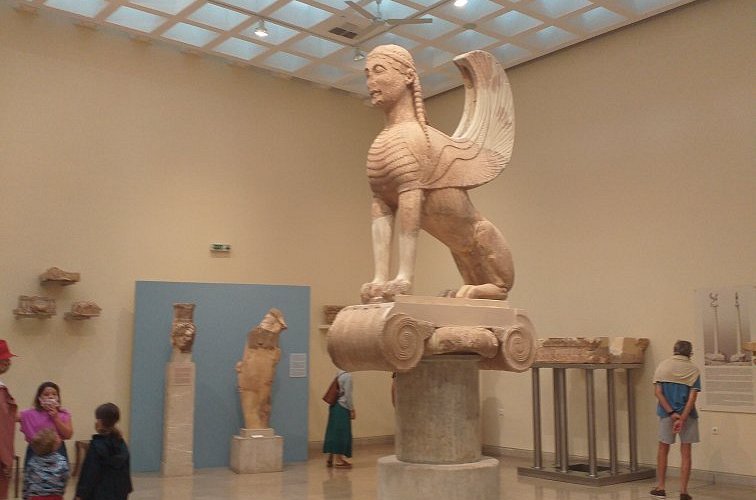
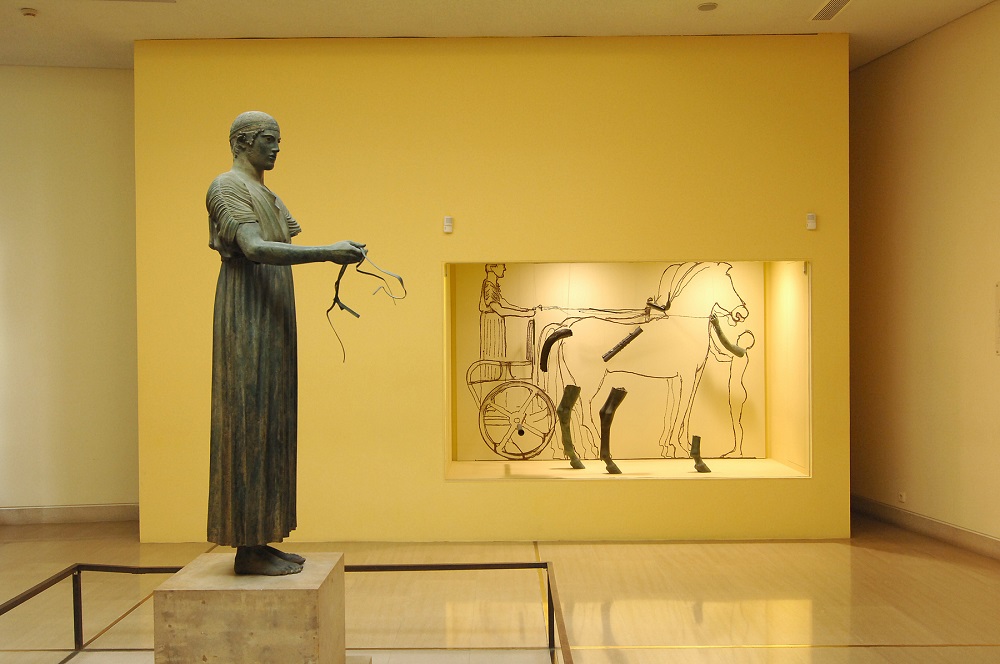
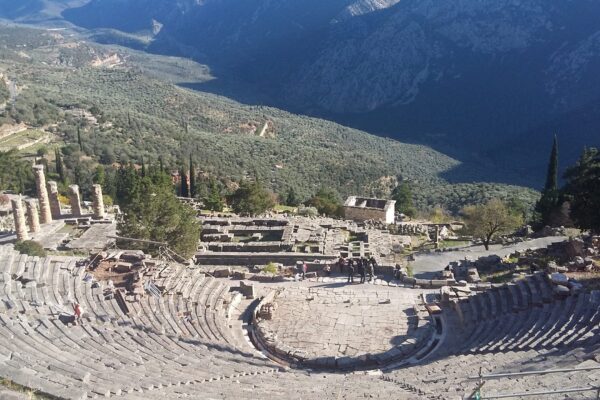
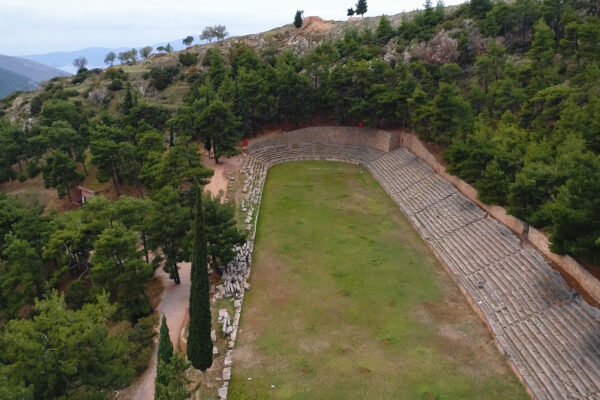
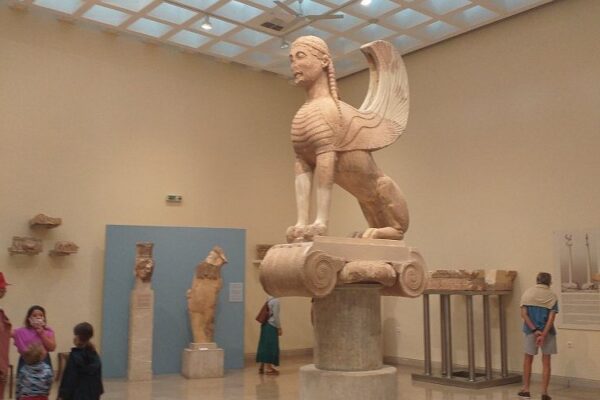
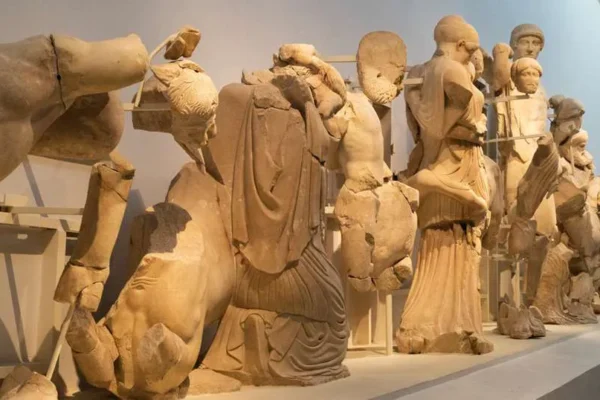
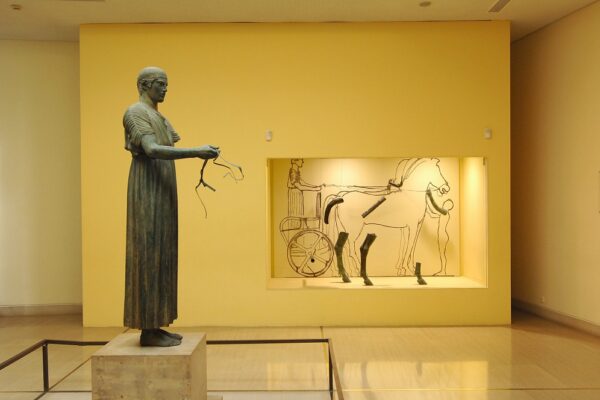
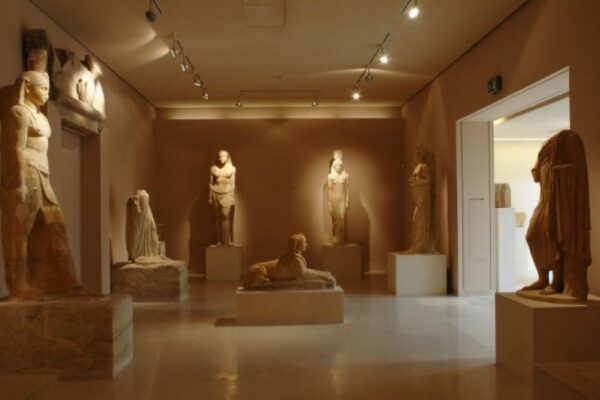
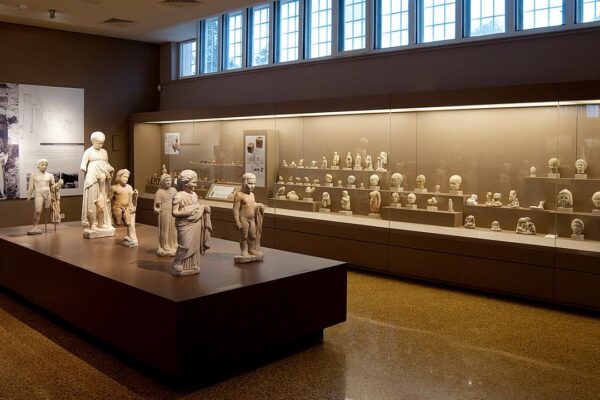
Above the temple, the ancient theatre offers one of the most spectacular views in Greece. The Delphi Archaeological Museum houses the bronze Charioteer — cast around 478 BC, two years after Thermopylae — and the omphalos stone, the object the ancient Greeks believed marked the literal centre of the earth.
Thermopylae — The Hot Gates
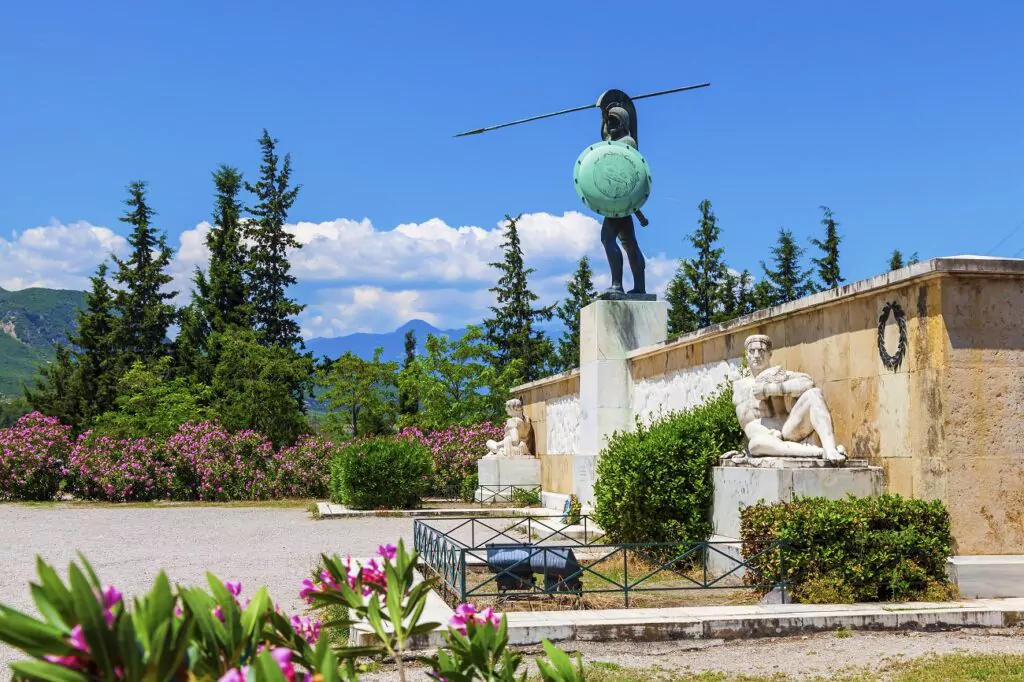
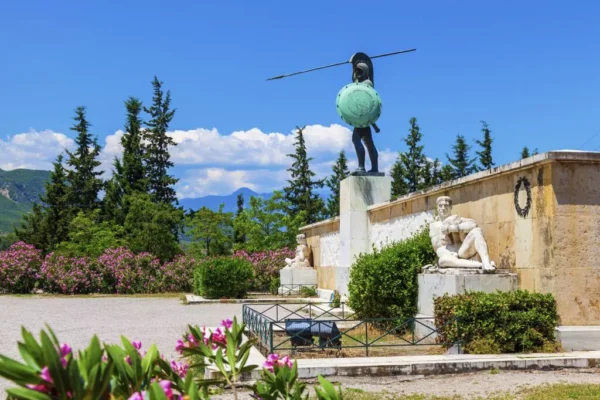
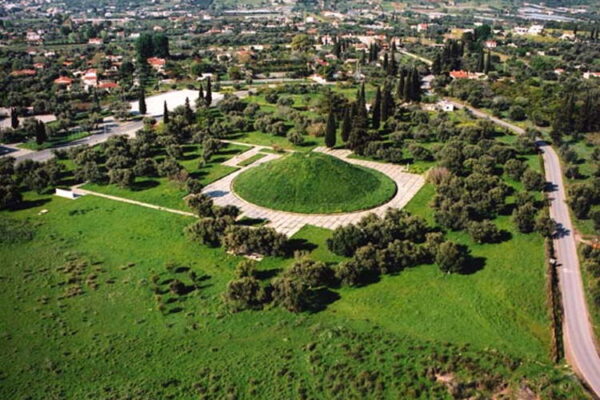
From Delphi, the tour drives north to Thermopylae — approximately one and a half hours through the mountains of central Greece. In antiquity, the pass was barely 12 meters wide at its narrowest point, squeezed between the steep slopes of Mount Kallidromos and the Malian Gulf. Today, the coastline has shifted several kilometres inland due to centuries of silt deposits, and the highway runs where the sea once was — but the hill of Kolonos, where the last Greeks made their final stand, is still there, and the monument to Leonidas stands on the east side of the road with the epitaph of Simonides engraved in stone above it.
The Battle — 7,000 Greeks Against the World
In August 480 BC, a Greek coalition force of approximately 7,000 men — drawn from Sparta, Tegea, Mantinea, Arcadia, Corinth, Thebes, Phocis, and the Thespians, among others, led by Spartan King Leonidas and his personal bodyguard of 300 elite hoplites — took position at the pass of Thermopylae. The Persian force under Xerxes I numbered at least 100,000 and by some ancient estimates far more — the largest military force the ancient world had ever assembled, advancing south to conquer all of Greece after crossing the Hellespont on a bridge of boats.
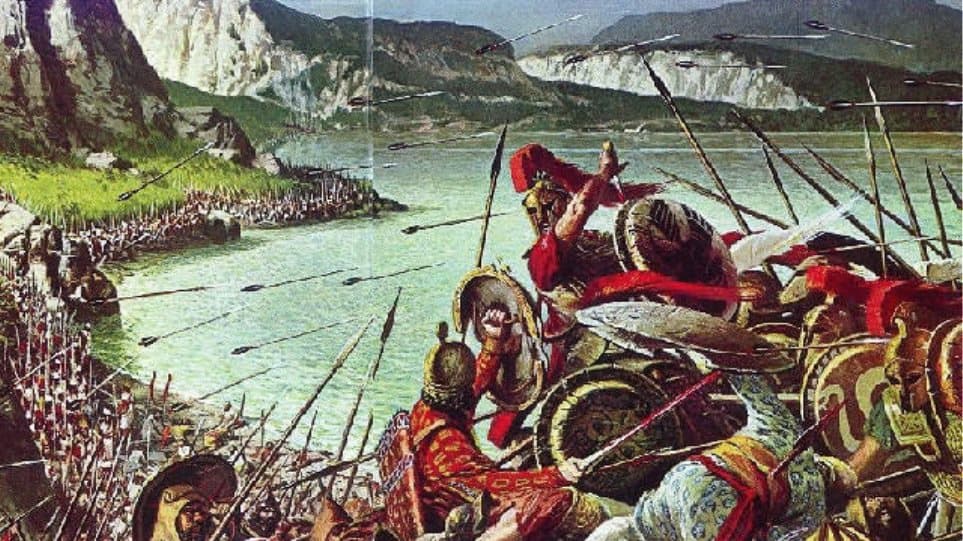
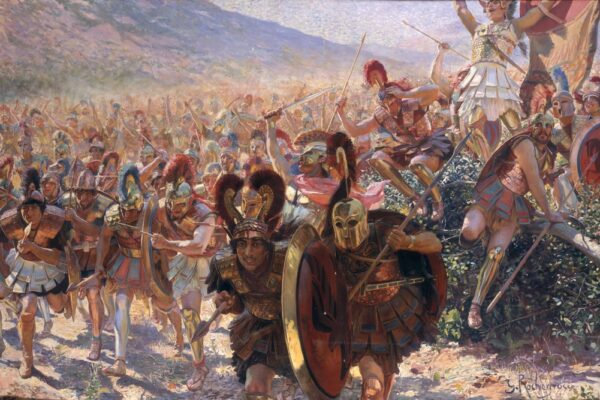
The Greek strategy was calculated and precise. At Thermopylae, the pass was so narrow that the Persians' numerical advantage was neutralised — they could only send forward as many men as the width of the pass allowed, and the heavily armoured Greek hoplites, fighting in tight formation with long spears and bronze shields, were vastly superior in that confined space. On the first day of battle, the Persians suffered enormous casualties while Greek losses were minimal. Xerxes sent forward his Immortals — the elite 10,000-strong royal guard whose numbers were kept constant after every engagement — and they fared no better. At the end of day one, Persian losses numbered in the thousands. Greek losses were around 100.
For two full days, the line held. Then a Greek citizen named Ephialtes, seeking reward from Xerxes, revealed the Anopaia path — a mountain trail that circumnavigated the pass and emerged behind the Greek position. Leonidas learned of the betrayal during the night. He dismissed the bulk of the Greek army to safety and remained at the pass with 300 Spartans, 700 Thespians who refused to leave, and 400 Thebans. On the third day, surrounded on both sides, they fought until the last man was killed. Xerxes ordered that Leonidas' head be placed on a stake at the battlefield.
The Naval Battle of Artemision — The Forgotten Engagement
While Leonidas held Thermopylae on land, the Athenian fleet under
Themistocles was fighting the Persian navy simultaneously in the Straits of Artemision, off the northern coast of Euboea. The strategy was coordinated — both pass and straits had to be held together to stop the Persian advance. The Greeks fought the Persian fleet across three days of engagement, limiting each skirmish to the late afternoon to reduce the time advantage of the numerically superior Persian force. The battle was indecisive — the Persians also lost 400 triremes in storms off the coast of Magnesia before the engagement even began — but when news reached Themistocles that Thermopylae had fallen, the Greek fleet withdrew to Salamis.
Two months later, at the Battle of Salamis in September 480 BC, the Athenian fleet destroyed the Persian navy in the narrow straits between Salamis island and the Athenian coast. The delay at Thermopylae had provided the time needed.
What You See at Thermopylae Today
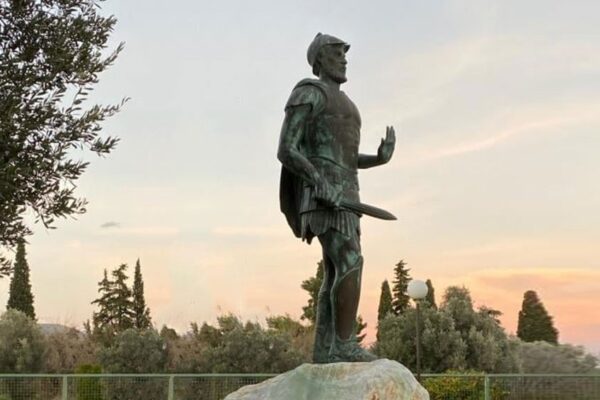
At the site, visitors see the modern monument to Leonidas — the bronze statue of the Spartan king with his shield and spear — and the hill of Kolonos where the final stand was made. The visitor centre shows a short film reconstructing the battle, combining archaeological evidence with dramatic reconstruction to bring the landscape and the engagement to life. The epitaph of Simonides, engraved on stone above the burial mound of the Spartans, remains the most concise and moving inscription in the ancient world:
*"Go tell the Spartans, stranger passing by, that here, obedient to their laws, we lie."*
The Tour — Practical Details
The
Delphi and Thermopylae tour from Athens is a full-day private tour departing in the morning and returning to Athens in the early evening. The tour covers the Delphi archaeological site, the Delphi Museum, Arachova village, and the Thermopylae battlefield and visitor centre, with lunch in the Thermopylae area between the two sites.
With more than 20 years of experience leading private tours on this route, our guides bring the history of both sites to life with the kind of depth and detail that only comes from genuine knowledge — the Oracle's prophecy, the Spartan custom of combing their hair before battle, the armour differential that made Greek hoplites so effective in confined terrain, the coordinated land and sea strategy that Themistocles designed and Leonidas executed with his life.
Book your
Delphi and Thermopylae tour from Athens — and travel the road that saved Greece.
"