Athens Full Day Tour: The Complete Experience of Greece's Ancient Capital
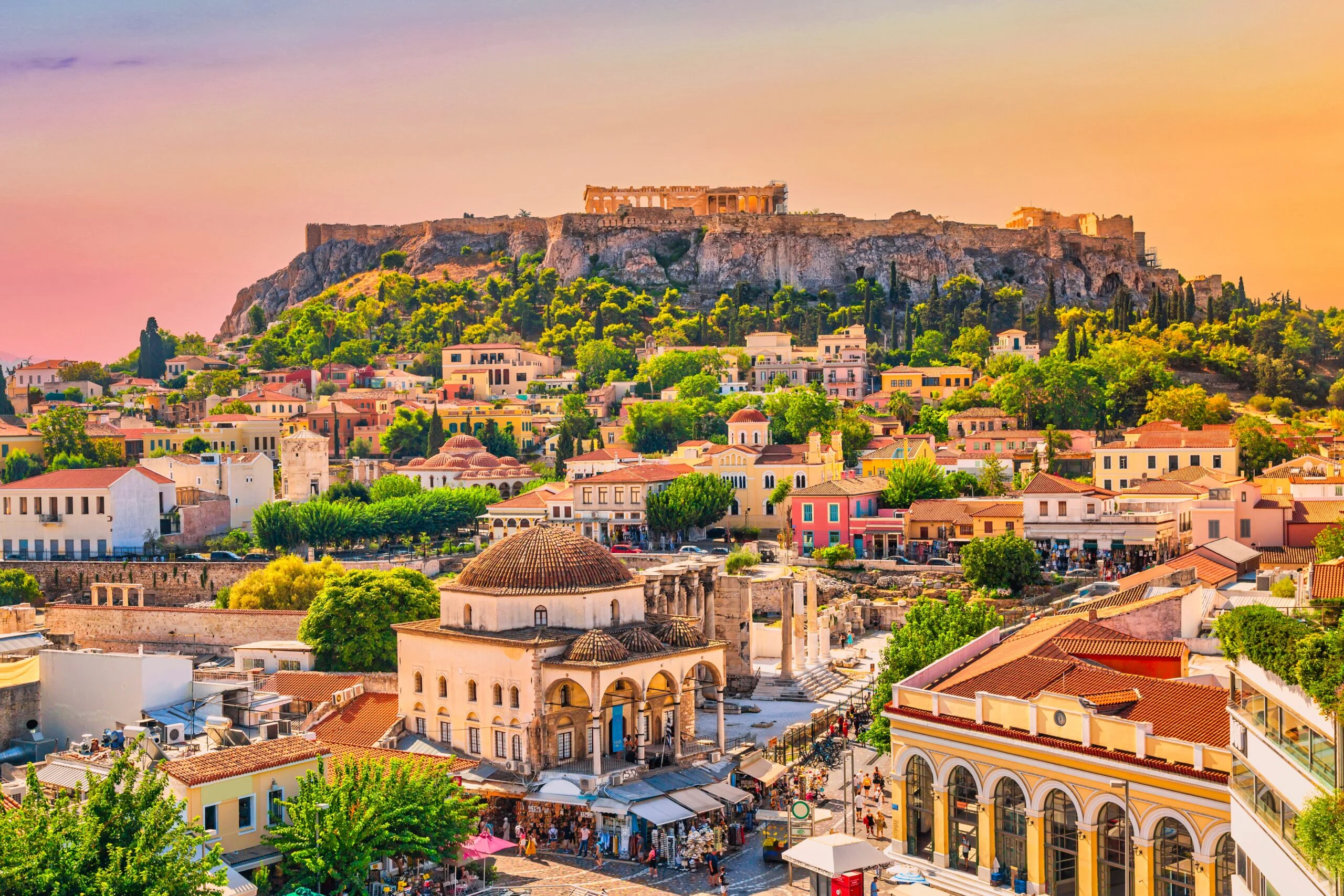
The Athens full day tour is the single best way to understand this city, not just see it. In one day, you move from the highest point in Athens down through 2,500 years of layered history: the Acropolis and its temples, the marketplace where Socrates argued in public, the neoclassical boulevards of the modern capital, and the cobblestone lanes of Plaka where Athens has been continuously lived in since antiquity. This is the tour that puts everything in context.
Lycabettus Hill — The Best View in Athens
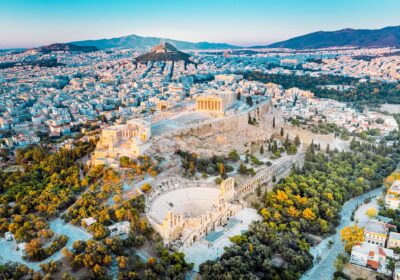
Every Athens full day tour begins at Lycabettus Hill, at 277 meters, the highest point in the city, and nearly double the height of the Acropolis. The entire urban landscape spreads out below: the Acropolis to the southwest, the Saronic Gulf and Piraeus beyond it, the mountains of Attica on the horizon. Starting here is the best possible orientation to everything that follows.
Queen Sofias Avenue & the Athens Trilogy
Driving down from Lycabettus, the tour passes Athens' principal
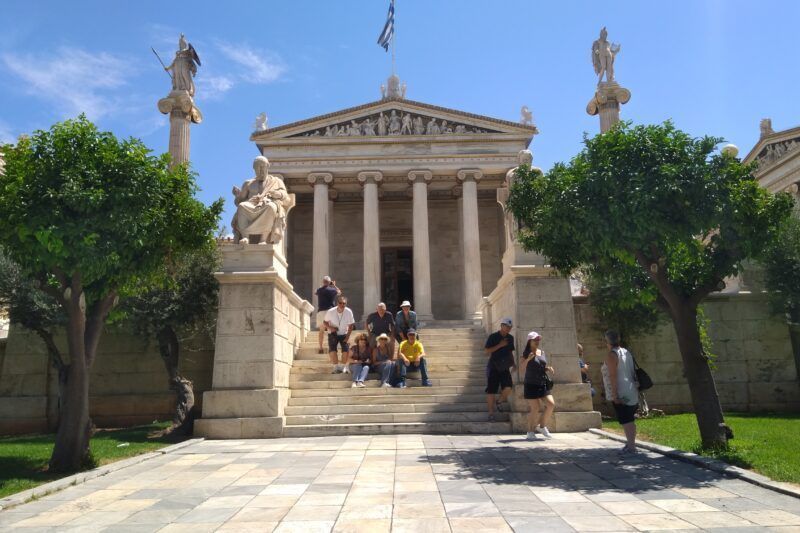
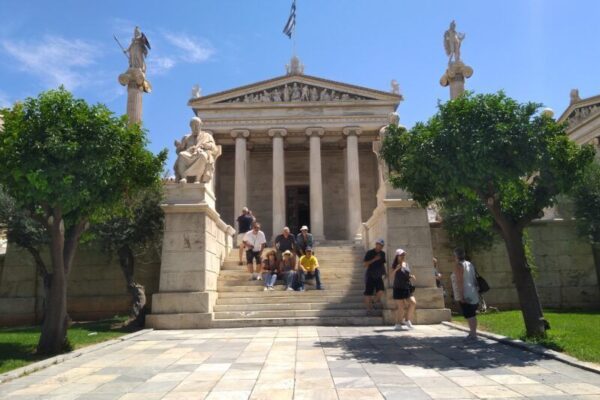
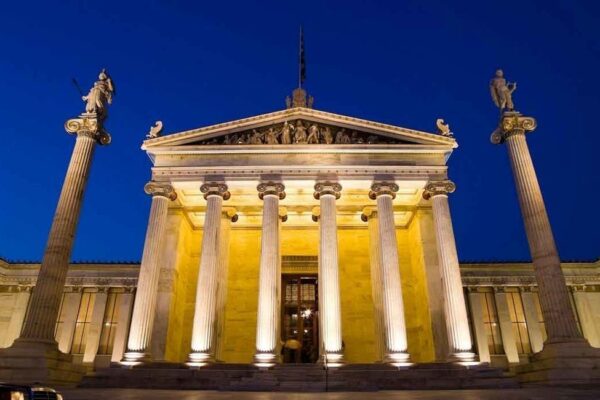
museum mile along Queen Sofias Avenue — the Byzantine and Christian Museum, the Museum of Cycladic Art, whose prehistoric marble figurines inspired both Picasso and Modigliani, and the War Museum. Just off the boulevard stands the former residence of Heinrich Schliemann, the archaeologist who discovered Troy and excavated Mycenae, now home to the Numismatic Museum. A short stop at the Athens Trilogy — three neoclassical buildings by Danish architect Theophil Hansen, housing the University, the Academy of Arts and Sciences, and the National Library — completes one of the most architecturally distinctive streets in Europe.
The Acropolis — The Heart of the Tour
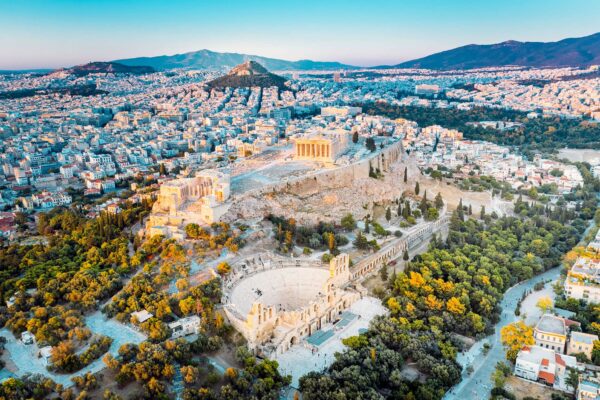
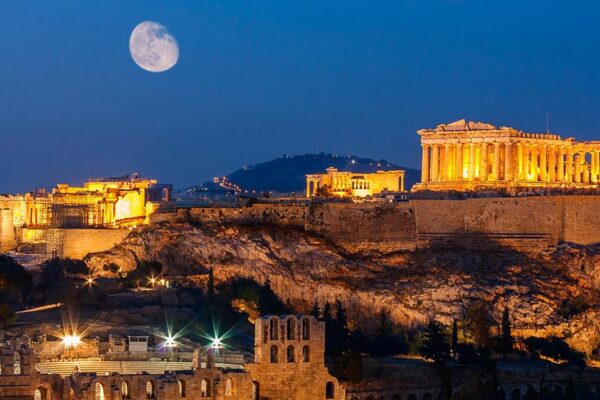
No Athens full day tour reaches its peak anywhere but here. After the Persian destruction of 480 BC, the statesman Pericles assembled the greatest architects and sculptors of the age — Iktinos, Kallikrates, and Phidias — to rebuild the sacred precinct entirely in Pentelic marble. What they created between 447 and 406 BC has never been surpassed.
The Parthenon, completed in 432 BC, is a masterpiece of deliberate optical refinement — its columns lean subtly inward, its stylobate curves almost imperceptibly upward, all calculated to make the building appear perfectly proportioned from any angle. The Erechtheion, built on the most sacred ground of the hill where Athena and Poseidon were said to have contested dominion over the city, is home to the famous Porch of the Caryatids — six sculpted female figures serving as columns, each a slightly different portrait. The Temple of Athena Nike stands at the edge of the bastion overlooking the approach, a prayer in marble for Athenian victory. Below the hill, the Theatre of Dionysus — the first theatre ever built in the world, where Sophocles, Euripides, and Aristophanes premiered their works for audiences of up to 17,000 — is carved into the southern slope of the rock.
One moment guests consistently mention: standing on the Areopagus — Mars Hill — the rocky outcrop just below the Acropolis, where the ancient court of justice once convened, and where the Apostle Paul preached Christianity to Athens for the first time in 51 AD. The view of the Acropolis from that rock is one of the best in the city.
Classical Athens — Agora, Stadium & Syntagma Square
From the
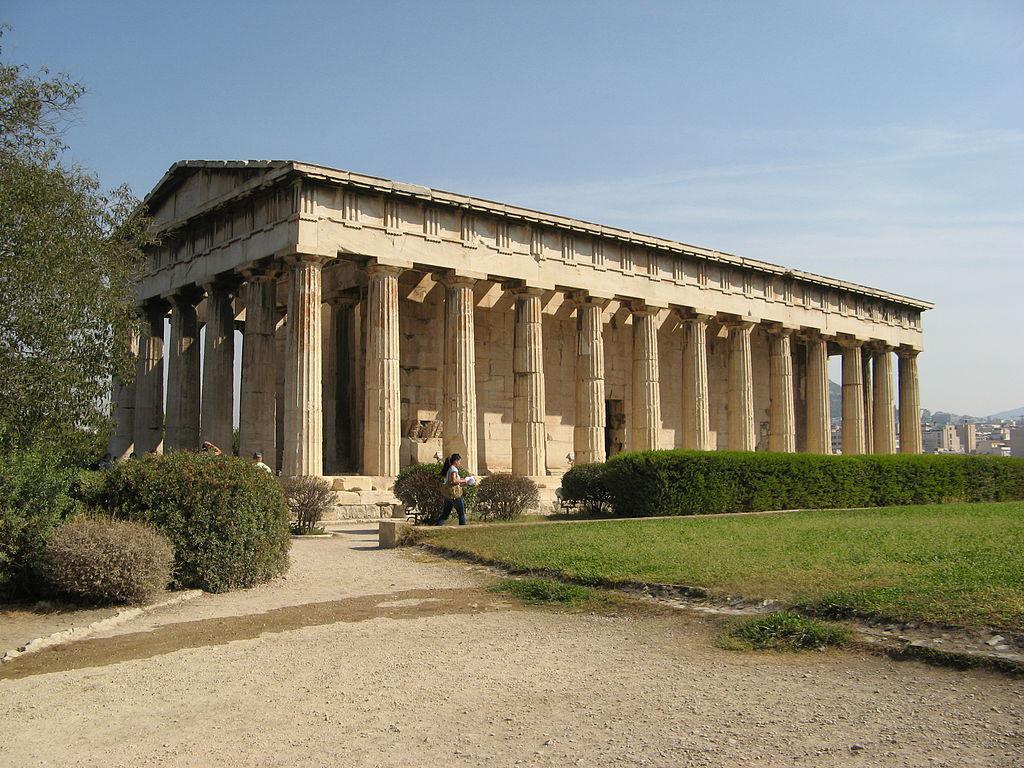
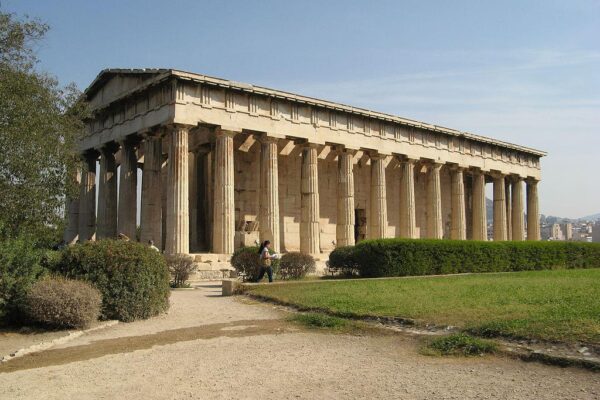
Acropolis, the tour moves through the Ancient Agora — the commercial and political heart of classical Athens, where Socrates walked daily, and the institutions of Athenian democracy were housed — anchored by the Temple of Hephaestus, the best-preserved ancient temple in Greece, its columns and frieze intact after 2,500 years.
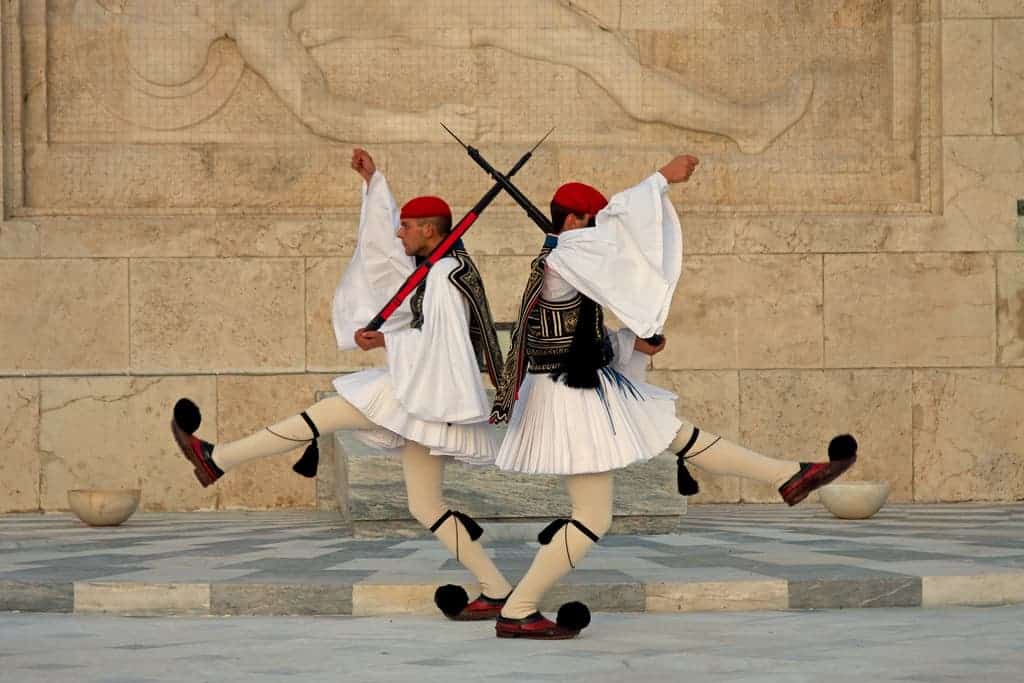
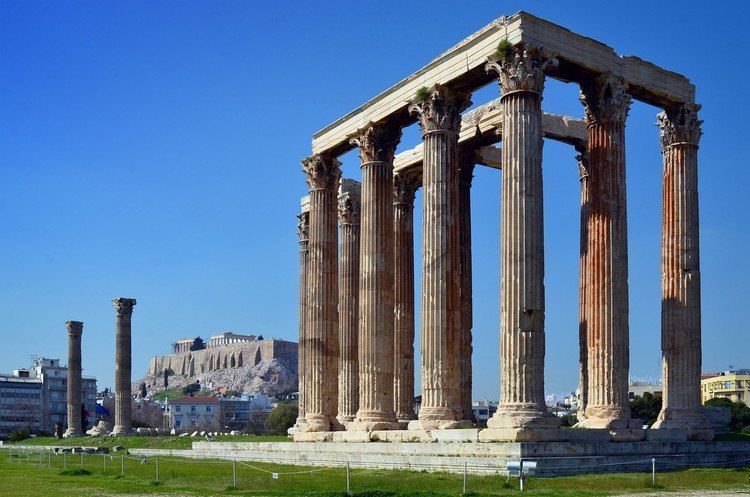
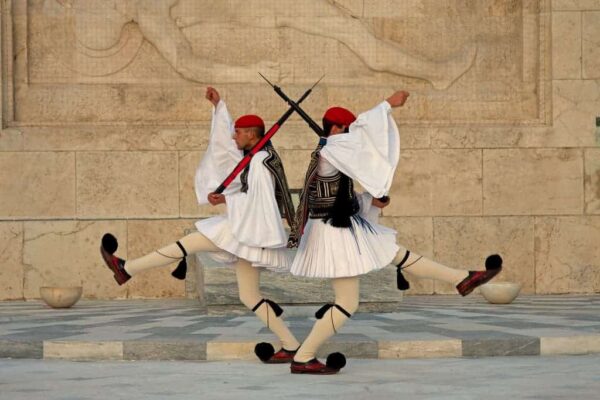
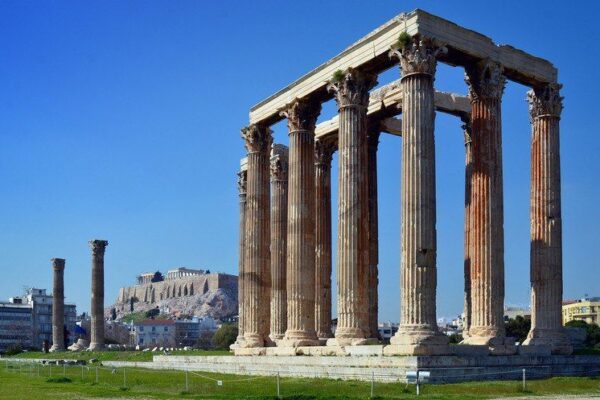
The Panathenaic Stadium — the only stadium in the world built entirely of white Pentelic marble, host to the first modern Olympic Games in 1896 — and the Temple of Olympian Zeus, with its 15 surviving Corinthian columns each 17 meters tall, follow in quick succession. At Syntagma Square, the changing of the Evzone guards at the Tomb of the Unknown Soldier is one of those ceremonial traditions that rewards watching — the fustanella skirt worn by each guard carries 400 pleats, one for each year of Ottoman occupation.
Plaka, Monastiraki & Free Time
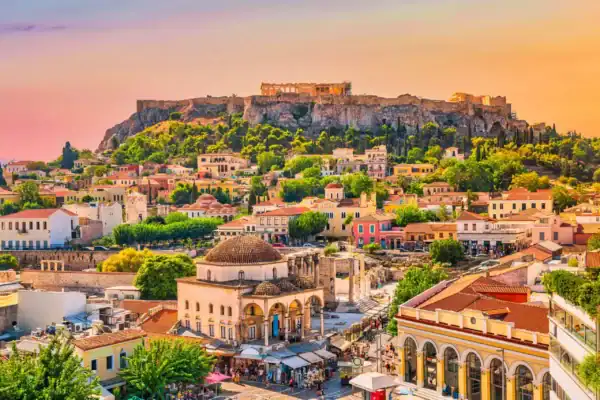
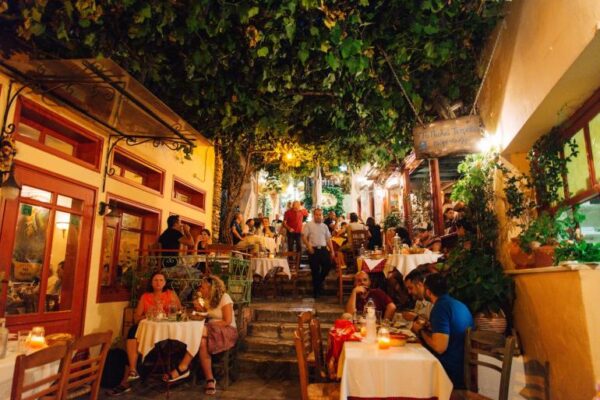
The afternoon belongs to
Plaka — the oldest continuously inhabited neighborhood in Athens — for lunch, shopping, and unhurried walking through lanes that haven't changed their character since the Ottoman period. Monastiraki and the Athinas Street market are just beyond, offering the flea market, spice shops, and street life that make this corner of Athens feel like the city it has always been.
The tour can be adapted to include either the National Archaeological Museum or the Acropolis Museum, depending on your interests. Your guide will help you make the most of the time available. The day ends with a return to your hotel, Athens Airport, or the Piraeus cruise terminal.
With more than 20 years of experience leading private and group tours in Athens, we know which
timings beat the crowds, which details stay with guests longest, and how to pace a full day so that curiosity outlasts fatigue. Book your
Athens full day tour and experience the city the way it deserves to be seen.