Athens and Cape Sounion Tour: Ancient Monuments, the Athenian Riviera & the Temple of Poseidon
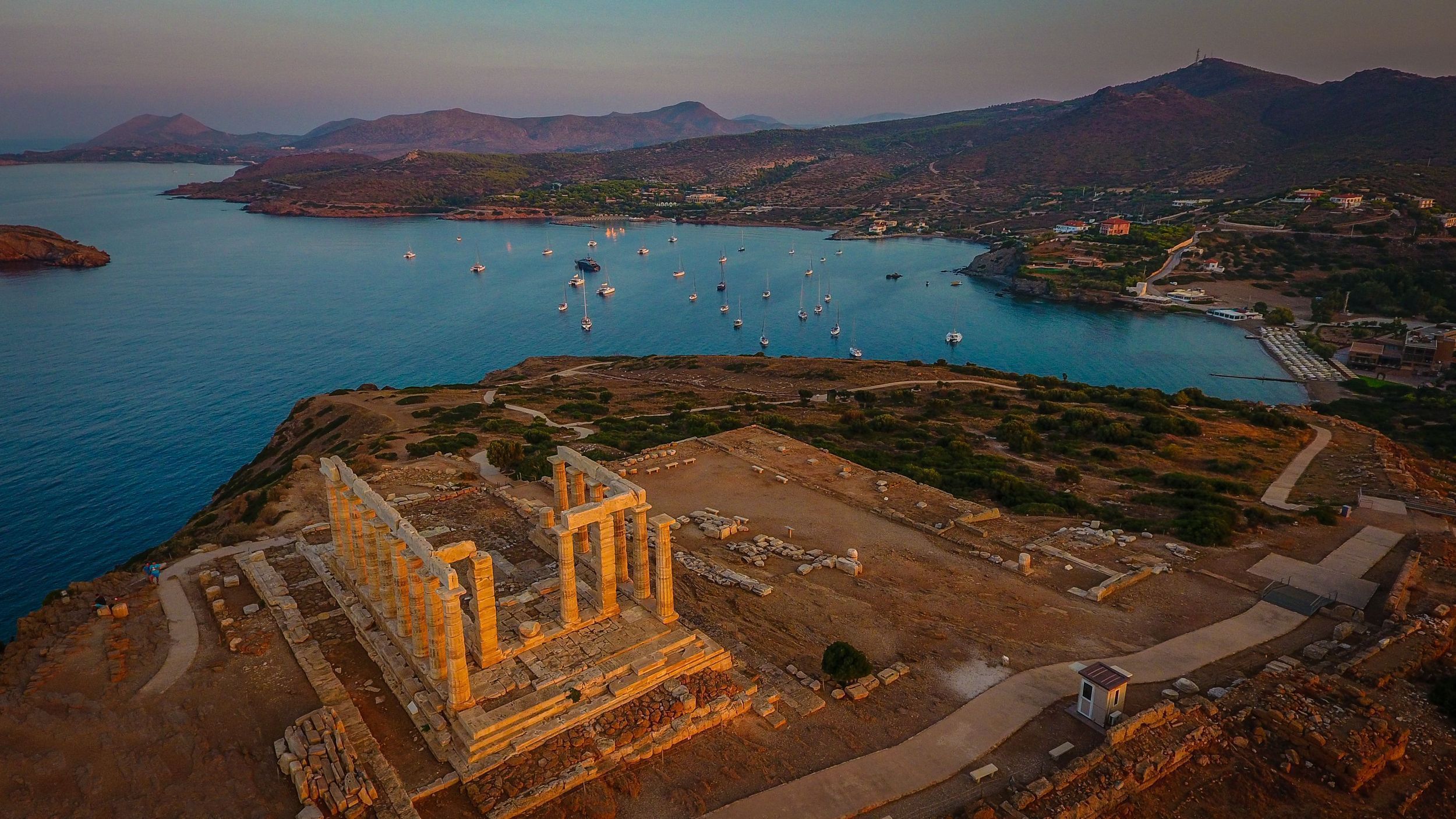
The Athens and Cape Sounion tour combines a morning of world-class ancient history in the city with an afternoon drive along one of the most beautiful coastlines in the Mediterranean, ending at a marble temple perched 60 meters above the Aegean Sea. It is one of the most satisfying full-day experiences available from Athens — a
tour that earns the word complete.
Athens — The Morning
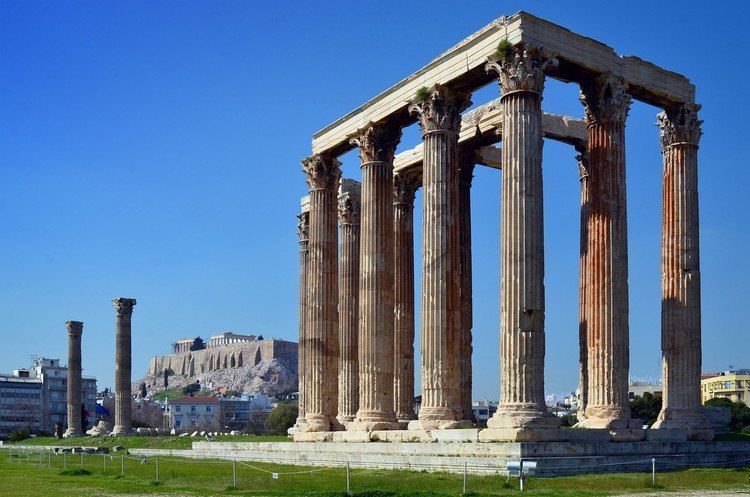
The tour opens at the Panathenaic Stadium, the only stadium in the world built entirely of white Pentelic marble, which hosted the first modern Olympic Games in 1896 and still serves as the finish line of the Athens Classic Marathon every November. A short distance away, the Temple of Olympian Zeus presents 15 of its original 104 colossal Corinthian columns, each 17 meters tall — rising above the ruins of what was once one of the largest temples in the ancient world, begun in the 6th century BC and completed by the Emperor Hadrian in 132 AD.
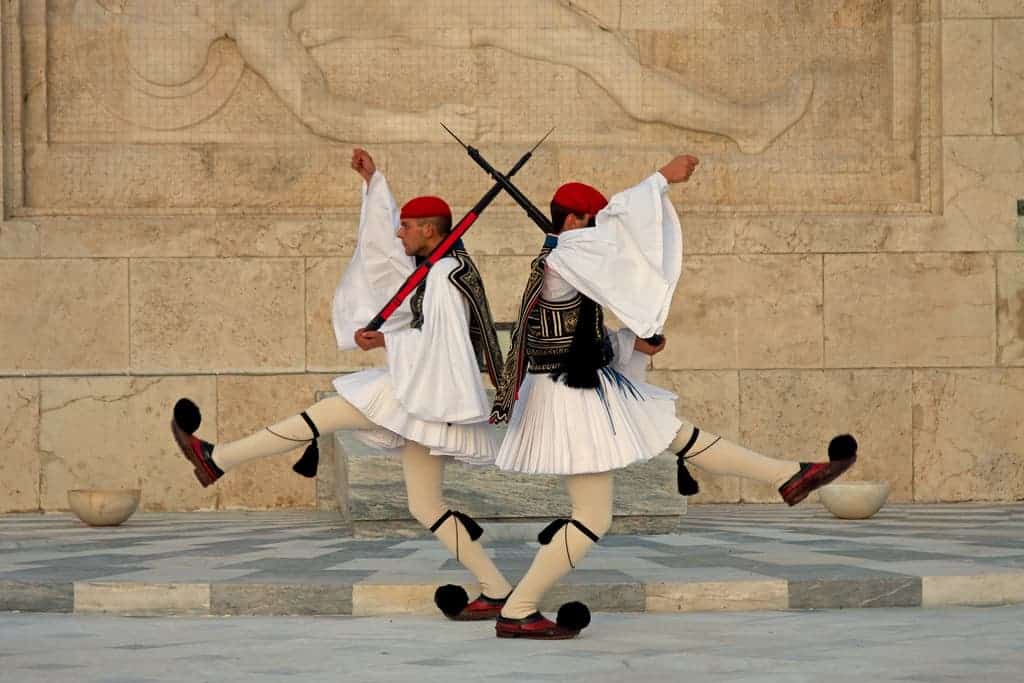
At Syntagma Square, the changing of the Evzone guards at the Tomb of the Unknown Soldier rewards those who time it well — a slow, formal ceremony performed by soldiers in traditional uniform, the pleated fustanella carrying 400 folds, one for each year of Ottoman occupation.
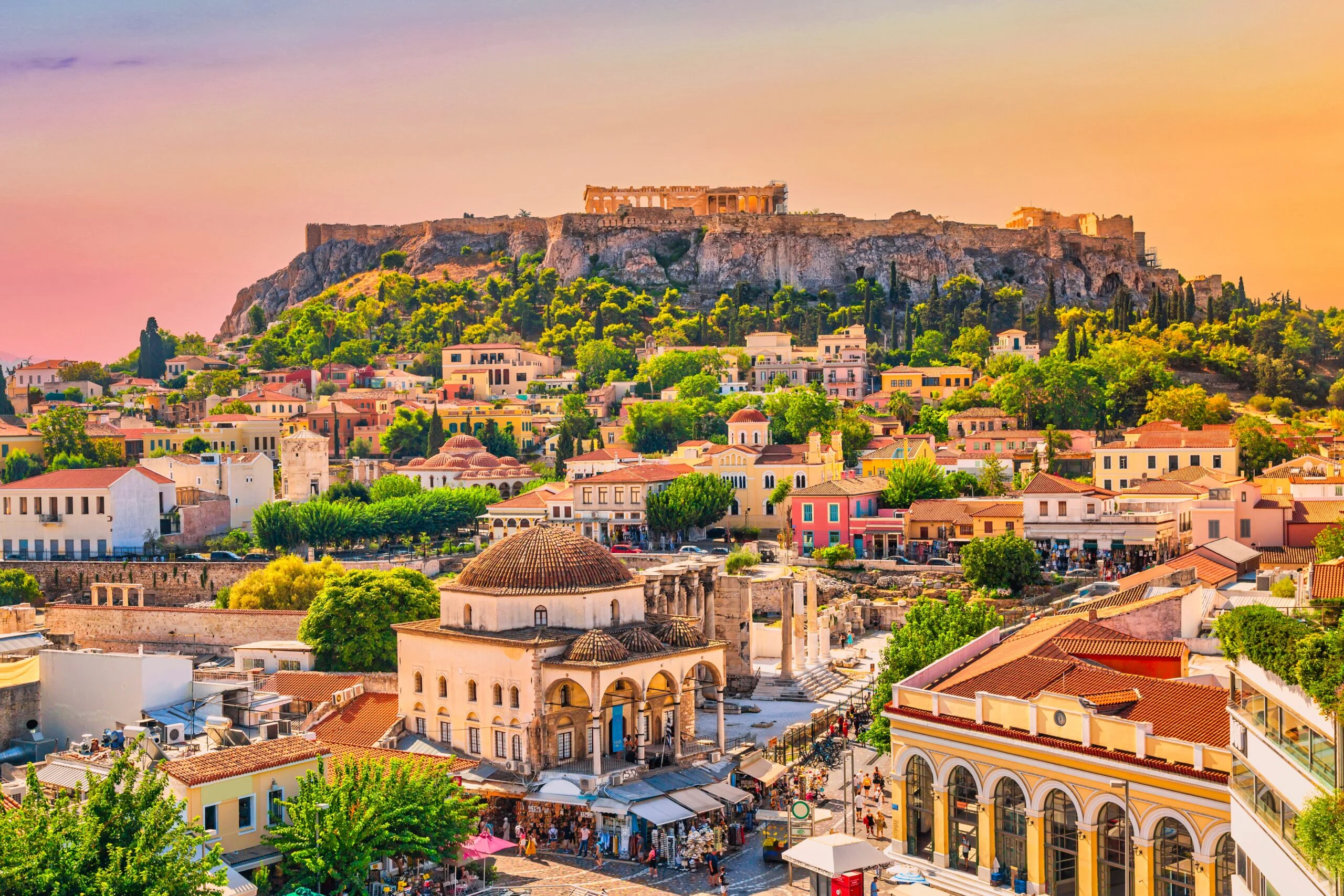
The Acropolis anchors the morning. Built under Pericles between 447 and 406 BC by the architects Iktinos and Kallikrates under the artistic direction of Phidias, the sacred precinct is the finest surviving example of classical Greek architecture on earth. The
Parthenon — completed in 432 BC, dedicated to Athena, and built with deliberate optical refinements so precise that no two columns are truly vertical — remains the defining monument of Western civilization.
The Erechtheion, built on the most sacred ground of the hill, carries the famous Porch of the Caryatids: six sculpted female figures used as architectural columns, each a subtly different portrait. The Temple of Athena Nike stands at the bastion's edge, and below the hill, the Theatre of Dionysus — the
first theatre ever built in the world, where Sophocles, Euripides, and Aristophanes premiered their plays for audiences of up to 17,000 — is carved into the southern slope of the rock.
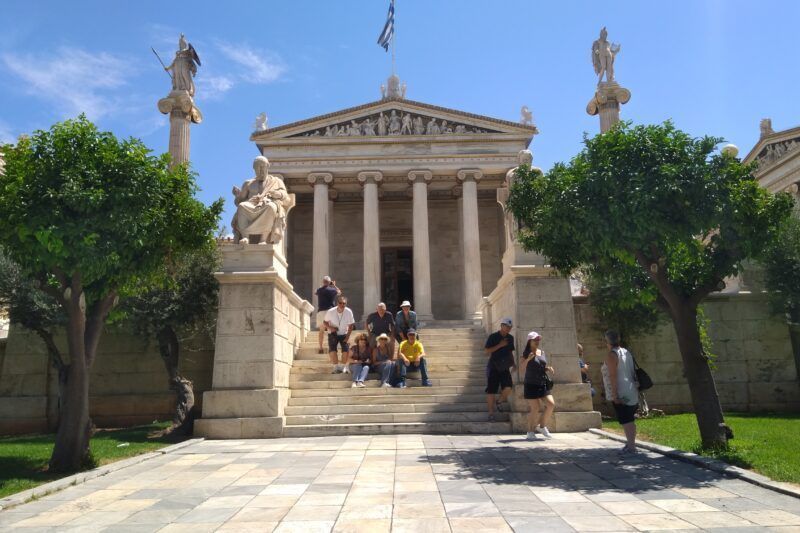
After the Acropolis, the tour moves through Plaka — the oldest continuously inhabited neighborhood in Athens — for lunch and free time to explore the lanes, shops, and Byzantine churches at the foot of the hill, before the drive south begins.
The Athenian Riviera — Glyfada, Vouliagmeni & the Coastal Road
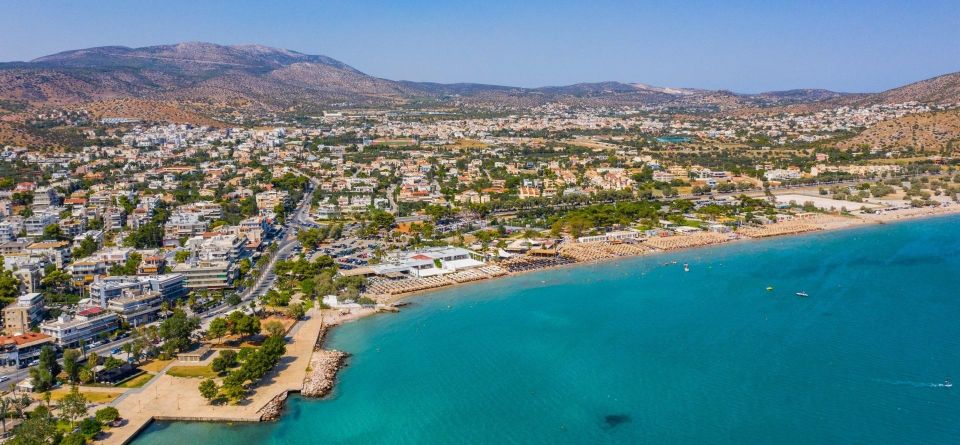
Leaving the city along Poseidonos Avenue, the coastline opens immediately. The suburbs of Glyfada, Voula, and Varkiza — collectively known as the Athenian Riviera — line the road south, with the Saronic Gulf running alongside for the entire drive. It is one of the most scenic stretches of road in Attica, and the shift from city to coast to open sea happens quickly enough to feel like a genuine departure.
A short stop at
Lake Vouliagmeni breaks the journey in the most pleasant way possible. The lake was formed thousands of years ago when the roof of a vast underground cavern collapsed, creating an enclosed lagoon fed by thermal springs from Mount Hymettus and the tidal waters of the sea. The water maintains a constant temperature between 22 and 29°C year-round and carries a mineral composition rich in calcium, iron, and potassium — warm enough to swim in January, and classified as part of Greece's NATURA 2000 protected wetland network.
The Temple of Poseidon — Where Myth and the Sea Converge
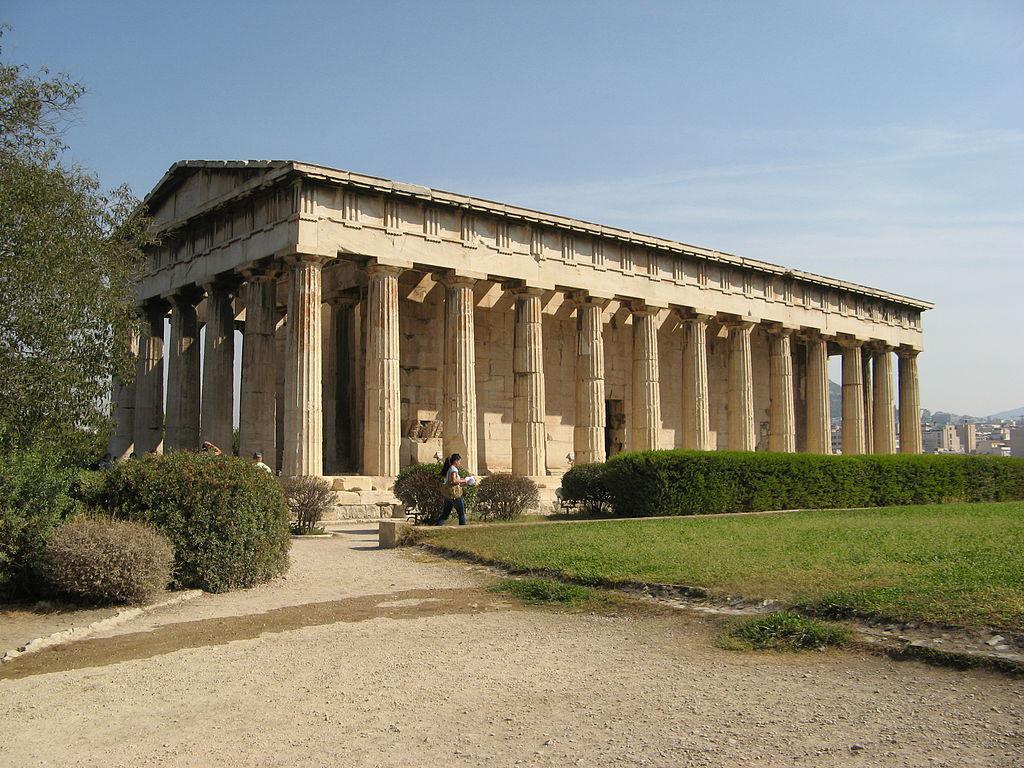
The Temple of Poseidon at Cape Sounion was built between 444 and 440 BC — the same years as the Parthenon — under Pericles, on the ruins of an earlier Archaic temple destroyed by the Persians in 480 BC. It is believed to have been designed by the same architect responsible for the Temple of Hephaestus in the Ancient Agora.
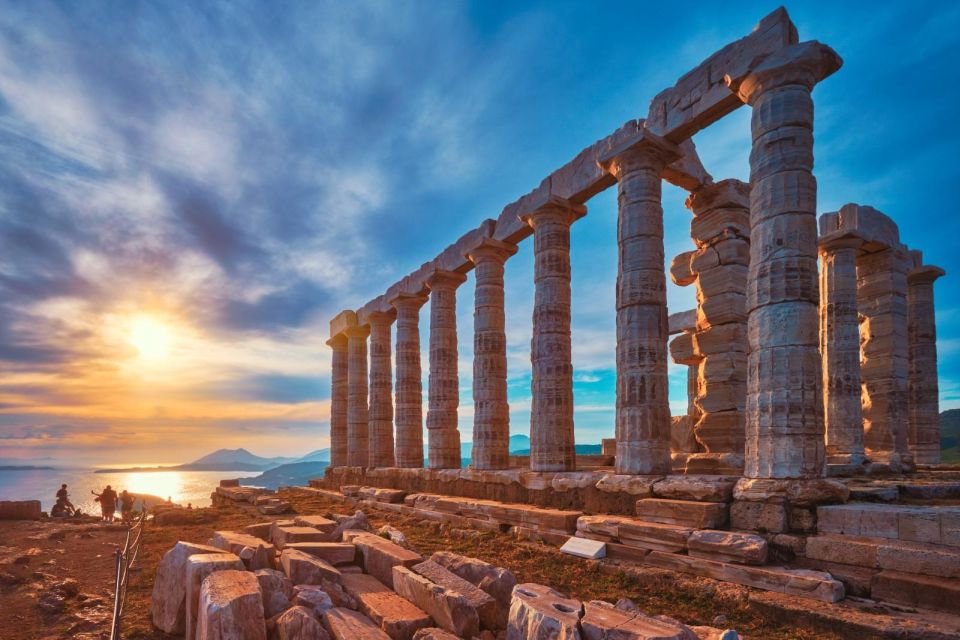
Of its original 34 Doric columns, 15 remain standing, their marble quarried locally from the Agrileza mines just four kilometers north of the cape. The columns were carved with only 16 flutings instead of the usual 20 — a deliberate reduction to minimize the surface area exposed to the salt wind and sea spray that have battered this headland for 2,500 years.
Look closely at one column and you'll find the name "Byron" carved into the marble — the English poet visited in 1810, was so moved by the view that he immortalized it in verse as "Sunium's marbled steep," and left his name behind. He set an unfortunate precedent; the column now carries the names of many who followed his example.
The mythology of the cape is inseparable from the monument. It was from this cliff that King Aegeus of Athens watched for the return of his son Theseus, who had sailed to Crete to kill the Minotaur. The agreement between them was simple: white sails on the return meant victory, black sails meant death. Theseus succeeded — and forgot to change the sails. Aegeus, seeing black on the horizon, threw himself from the cliff. The sea that took him has carried his name ever since.
Ancient Greek sailors regarded the first glimpse of the temple's white columns as the signal that they were nearly home. Before embarking on long voyages, they stopped here to make offerings to Poseidon — the god whose favor determined whether they would return. Watching the sun descend from the temple terrace, the Aegean turning from blue to gold to deep amber as the light fades, it is not difficult to understand why.
The sunset at Cape Sounion is gorgeous and a must for every visitor; it's something that you don't miss!
Book your
Athens and Cape Sounion tour today and experience the two faces of Attica — the monuments of the ancient city and the wild, sea-swept southern cape — in a single extraordinary day.