Athens to Ancient Olympia Trip
Starting our full-day Athens to ancient Olympia trip, we drive southwest. We will make a short stop at the Corinth
Canal to see a masterpiece of engineering, built back in the 19th century by a Hungarian company to connect the Aegean Sea with the Corinthian Gulf. After the shortstop, we continue to the birthplace of the Olympic Games- ancient Olympia. An unforgettable trip for every visitor.
Athens to ancient Olympia Trip - Visit Olympia
Driving through the Peloponnese region, we will pass by Nemea (famous for its wine), Tripoli, and Megalopoli. The rich land of the Peloponnese produces olive oil, oils, strawberries, lemons, oranges, mandarins, water lemons, and other agricultural products in big numbers. The duration of the drive to reach Olympia is up to 4 hours.
Reaching the area of the birthplace of the Olympic Games with our Athens to Olympia ancient trip, you will see many restaurants, coffee shops, and souvenir shops. Also, you will see flags from most of the countries that participate in the Olympic Games. We will stop at the entrance of the Archaeological site. First, you must visit the museum.
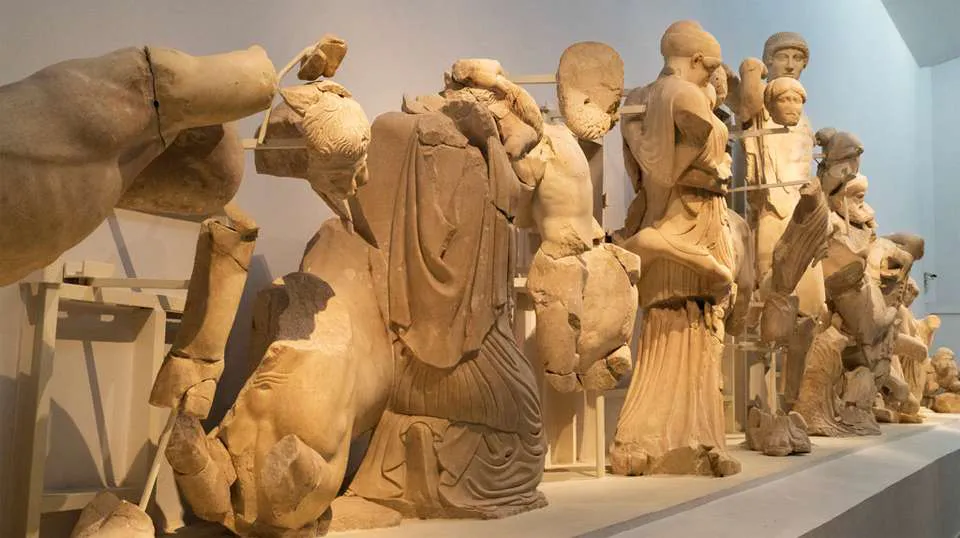
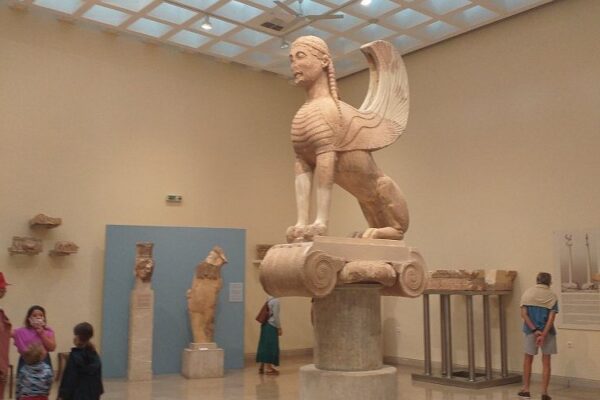
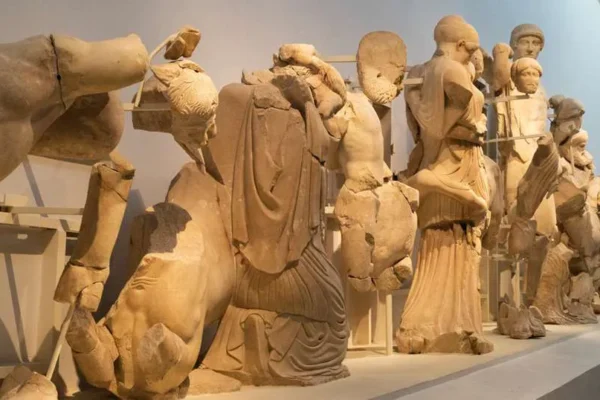
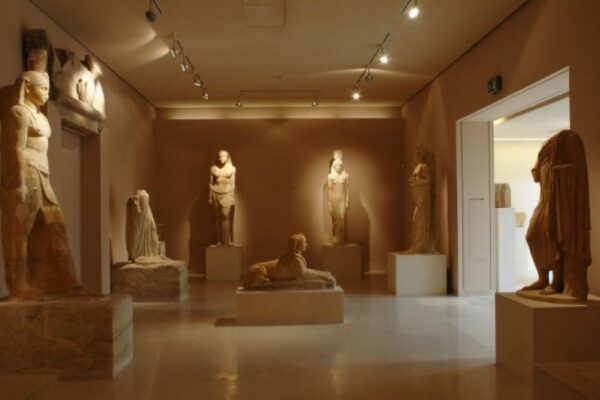
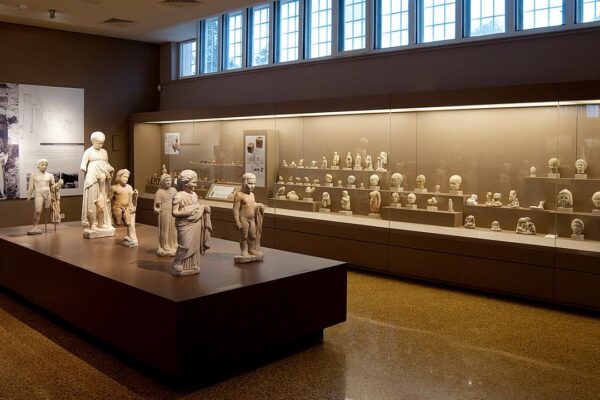
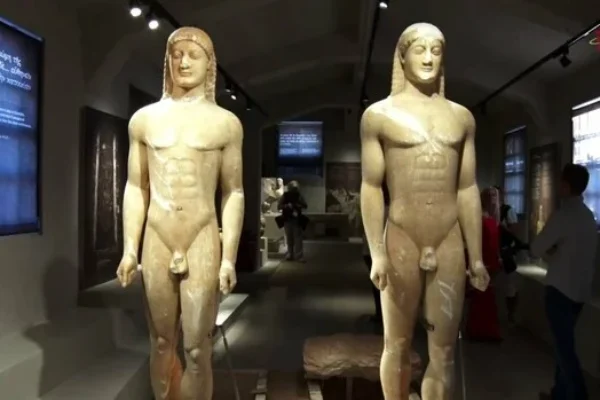
Inside the archaeological museum, you will see many spectacular masterpieces of the ancient Greek world, such as the Hermes statue of Praxiteles, holding Dionysus in his hands, the statue of winged Nike, the statue of Dionysus who holds Ganymedes, the amazing friezes from the temple of Zeus and Hera.
The famous workshop of Phidias, who, after the masterpiece that he created, the spectacular chryselephantine statue of Athena inside the Parthenon, made the temple of Zeus, which was considered one of the seven wonders of the World. The helmet of Miltiades, who was the General of the battle of Marathon, hundreds of pottery pieces, Roman statues, etc.
Ancient Greece - History
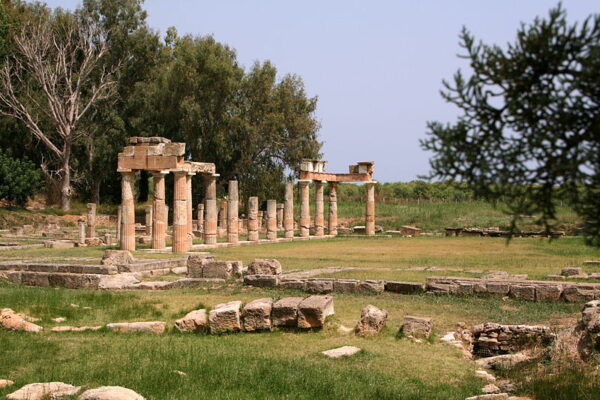
After the museum visit, you will be able to see the archaeological site where the ancient Olympic Games took place every four years to honor Zeus. According to mythology, Zeus fought against his father, Cronus, and defeated him. After his win, he took the throne of Olympus. We don't know exactly why the Games were held every four years, but a myth says that Heracles (not Hercules), a hero who had won a race at Olympia, commanded that the race should be repeated every four years.
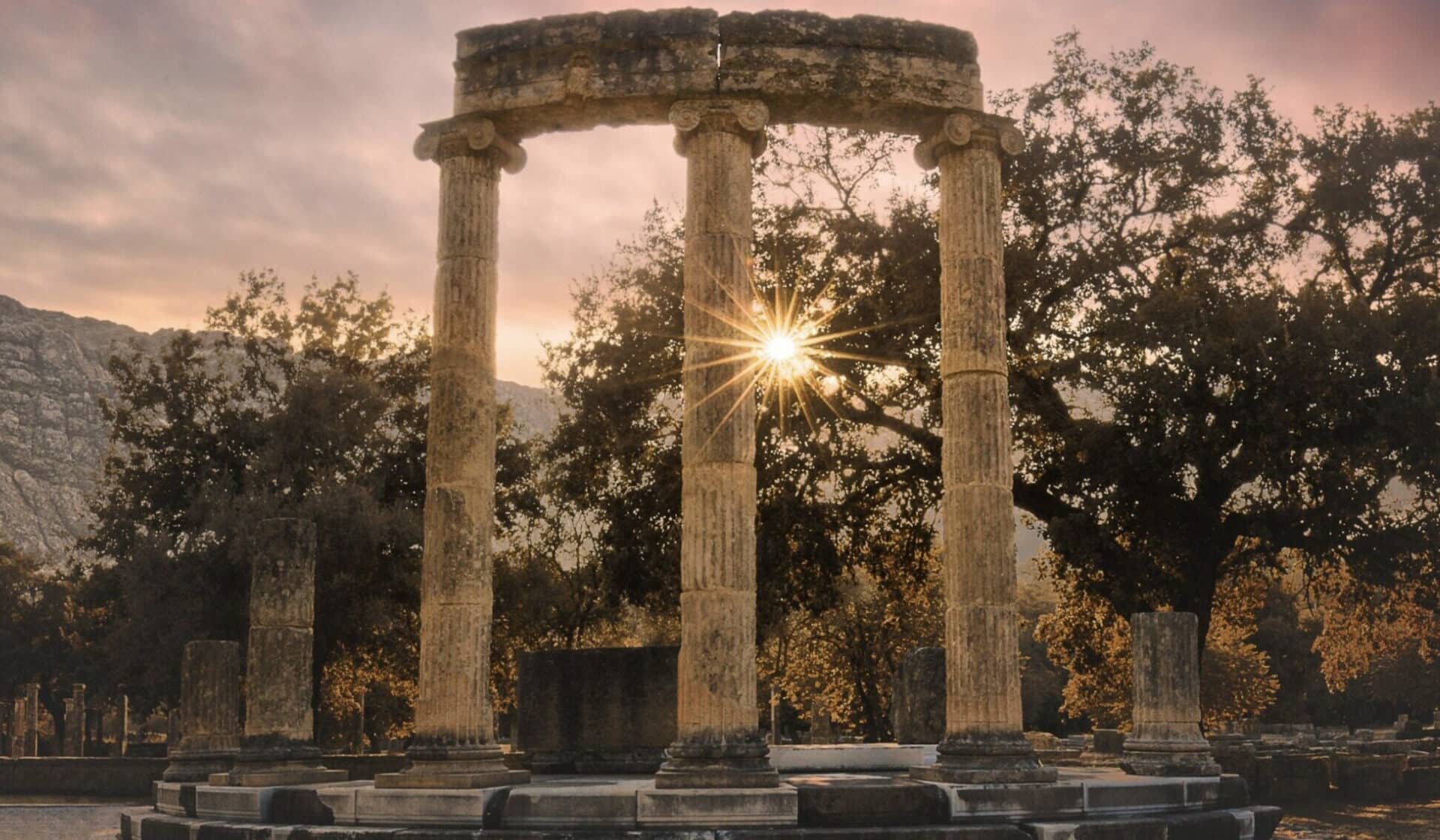
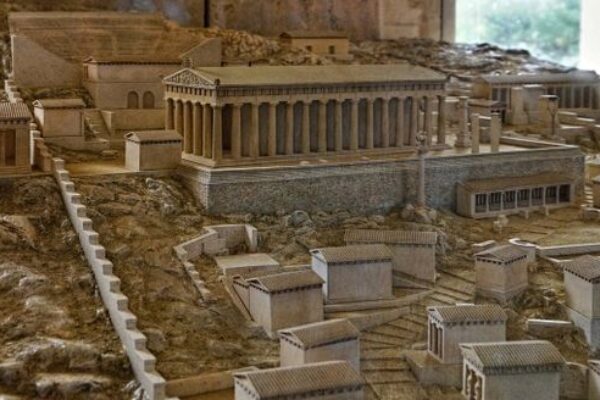
The monuments inside the archeological area that you will visit are the temple of Hera, which was built in 600 BC, the temple of Zeus, which housed one of the seven wonders of the World, the 17-meter statue of Zeus made of gold and ivory by the same sculptor, Phidias. Treasuries that had offerings from many Greek city-states
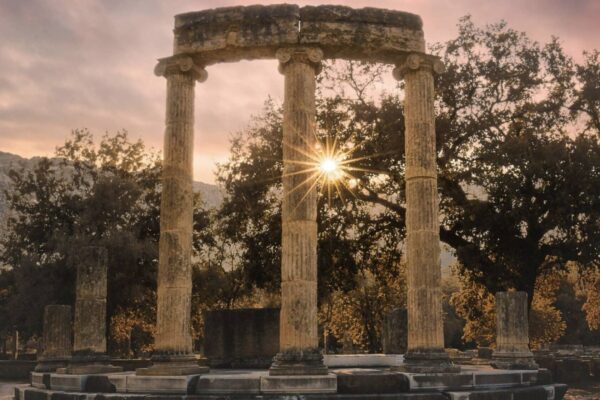
Palestra, a school for wrestling and boxing, Gymnasium, a training facility for the athletes, plus bathhouses, the Stadium that could house up to 60.000 spectators, the Metroon, the Hippodrome, Prytaneion where officials and winners could meet, Leonidaion, a kind of hotel-building for vip's, and finally Philippeion, a memorial that contained statues of King Phillip and Alexander the Great. They both had participated in the games, and King Philip had won in horse racing.
During the games, an Olympic truce was enacted, so the athletes could easily reach Olympia. Months before the Games started, messengers were spreading the date that the Games would start, so the athletes would have plenty of time to reach Olympia. The winners were crowned with an olive wreath, and when they turned back to their city, huge celebrations took place. Today, the ceremony of the Olympic flame is performed a few weeks before the start of the Games.
In this World Heritage Site, the ceremony of the Olympic Flame takes place every four years for the Summer Olympics.
Later on, you will have time for shopping and lunch, and as well to visit the ancient Greek Technology Museum. After finishing our full-day private Athens to
ancient Olympia trip, we will return to Athens!