Classical Tour of Greece: A 4-Day Itinerary Through the Ancient World
The classical tour of Greece is the journey that puts everything else in context. In four days you travel from the ancient sanctuary of Delphi and the monasteries of Meteora suspended above the clouds, to the Lion Gate at Mycenae, the theatre of Epidaurus, and the valley in the Peloponnese where the Olympic Games were born. These are not just famous landmarks. They are the places where Western civilization was shaped — where democracy, philosophy, sport,
theatre, and spiritual devotion took the forms we still recognize today.
This is the itinerary. Every day is a complete experience in itself. Together, they form one of the most rewarding journeys in Europe.
Day 1:
Corinth Canal, Ancient Corinth, Epidaurus & Mycenae — Overnight in Nafplion
The Corinth Canal — Where the Peloponnese Begins
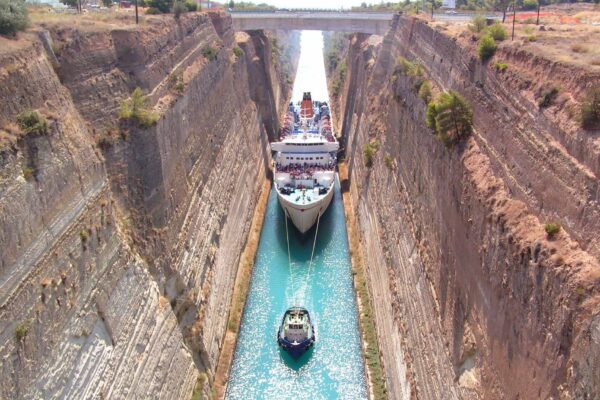
Leaving Athens and heading southwest, the first stop sets the tone immediately: the Corinth Canal, a 6 km channel cut through solid rock, completed in 1893 after centuries of failed attempts, connecting the Aegean Sea with the Ionian Sea. Standing on the bridge and looking straight down into that narrow gorge of water is one of those brief, jaw-dropping travel moments that you remember long after the trip is over.
The ancient Corinthians had their own ingenious solution long before modern engineers arrived: the Diolkos, a stone-paved road used to haul ships overland on wheeled platforms between the two seas, giving them dominance over Mediterranean trade routes for centuries.
Ancient Corinth — Trade, Power & the Apostle Paul
A short drive from the canal brings you to Ancient Corinth, one of the most strategically positioned cities of the ancient world. Its location on the narrow Isthmus made it the crossroads between east and west, north and south — and the Corinthians exploited that geography brilliantly for centuries.
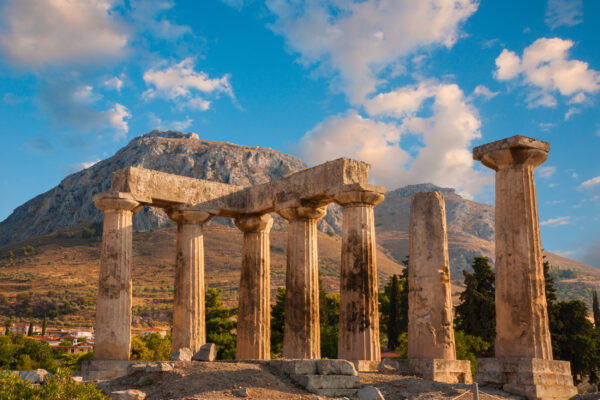
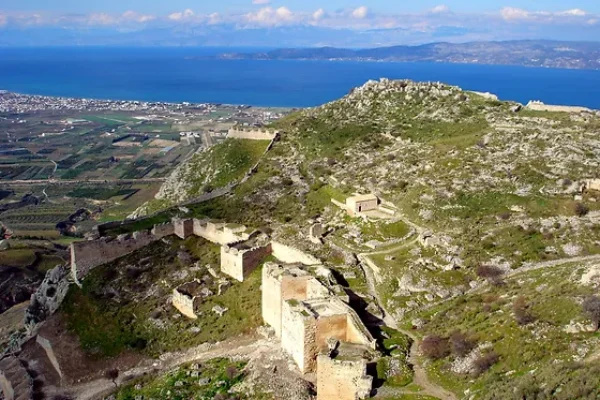
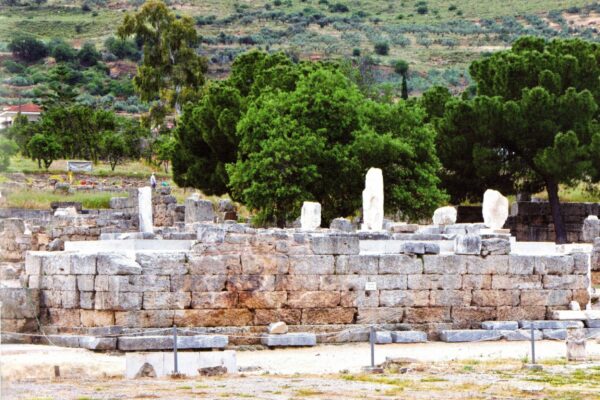
At the archaeological site, you'll walk through the Temple of Apollo, one of the oldest Doric temples in Greece, past Glauke's Well — tied to the myth of Jason and Medea — through Roman temples and baths, and to the Bema, the very platform where the Apostle Paul stood before the Roman proconsul Gallio, as recorded in the Acts of the Apostles. Above the site, the hilltop citadel of Akrokorinthos has passed through the hands of Greeks, Romans, Byzantines, Franks, Venetians, and Ottomans — and from its walls, on a clear day, you can see across two seas at once.
The Theatre of Epidaurus — An Acoustic Wonder of the Ancient World
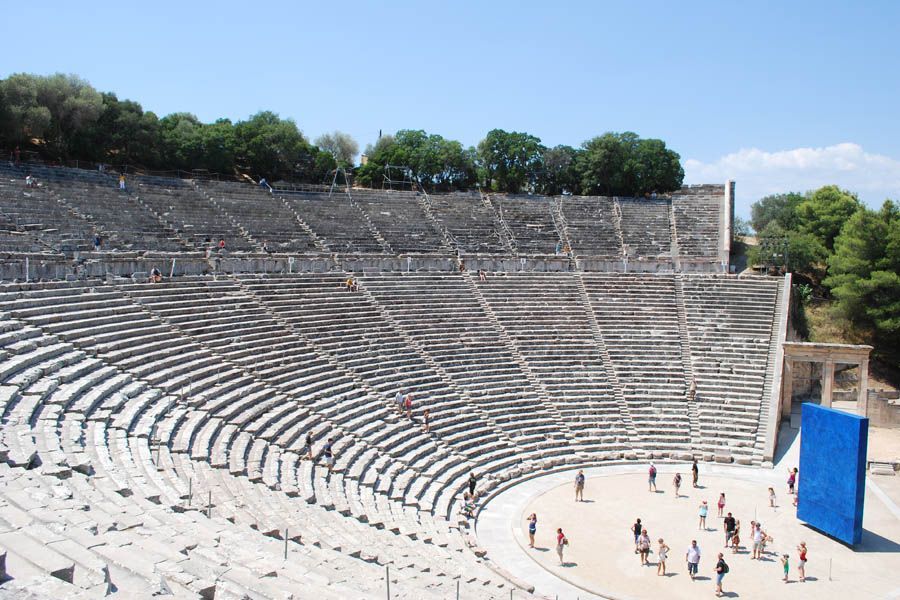
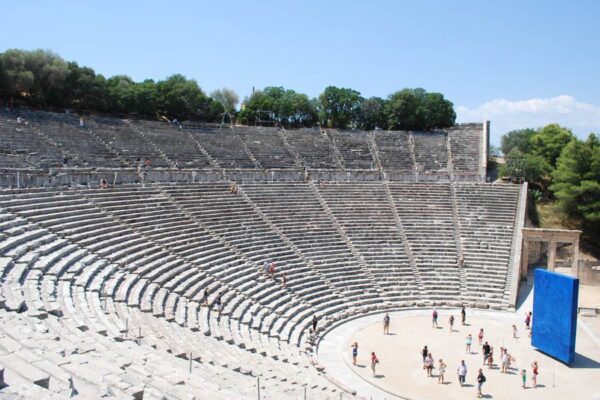
No day in the Argolis region would be complete without Epidaurus, and the ancient theatre here earns every superlative. Built around the 4th century BC, it is the best-preserved ancient theatre in Greece — 55 rows of limestone seats holding up to 15,000 spectators, with acoustics so precise that a coin dropped on the stage can be heard clearly in the very last row.
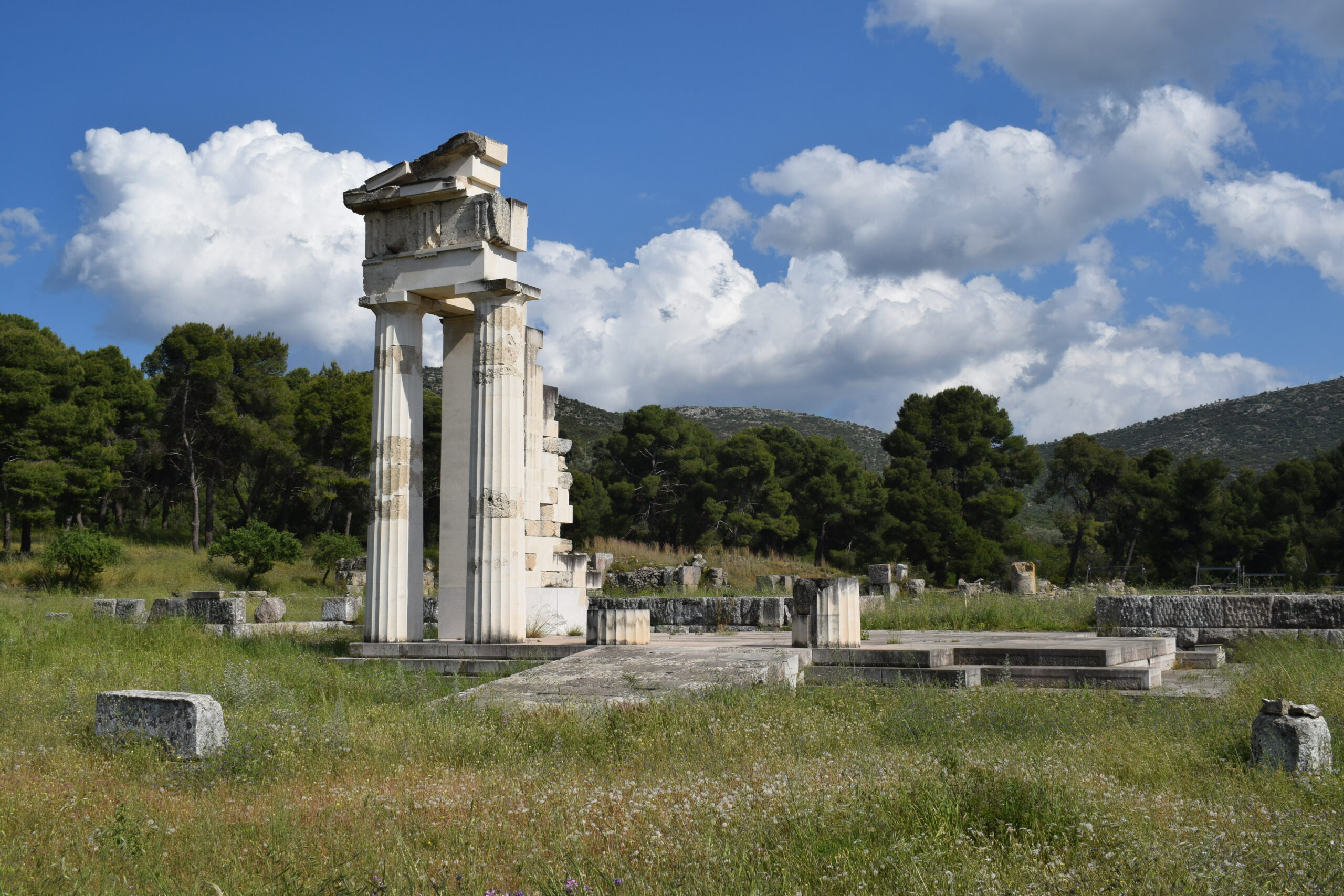
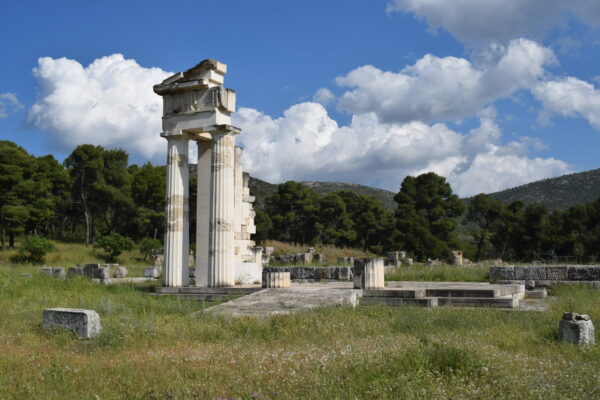
Stand in the center of the orchestra and speak quietly. Your voice travels up all 55 rows without effort. It never stops surprising people, no matter how many times a guide has seen it happen. The theatre became a UNESCO World Heritage Site in 1988 and still hosts performances every summer during the Athens Epidaurus Festival — one of the very few ancient structures that still fulfills its original purpose after 2,400 years. The surrounding sanctuary of Asclepios was the ancient world's most important healing center, where patients traveled from across the Mediterranean seeking the god of medicine's blessing.
Mycenae — 3,000 Years Through One Gate
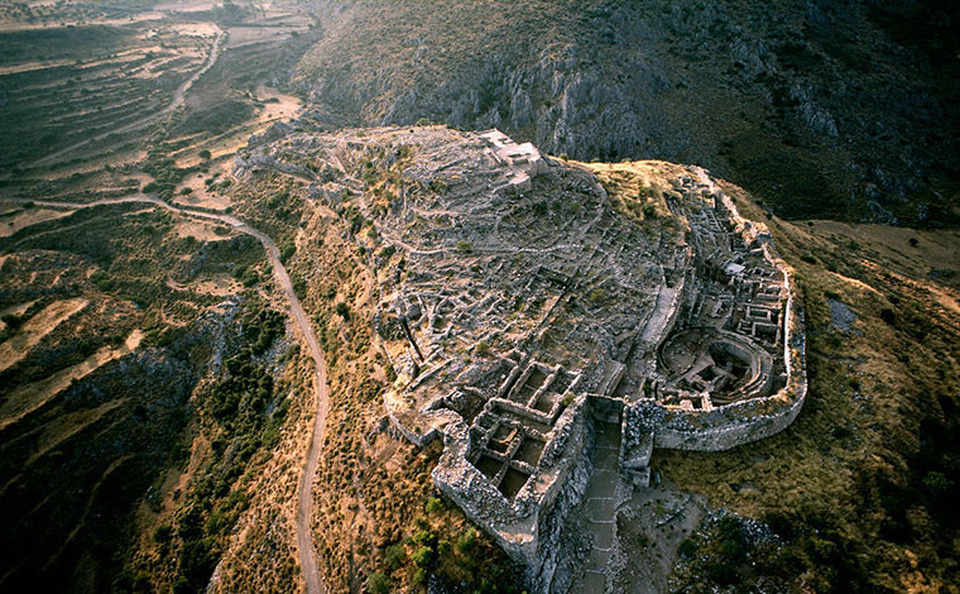
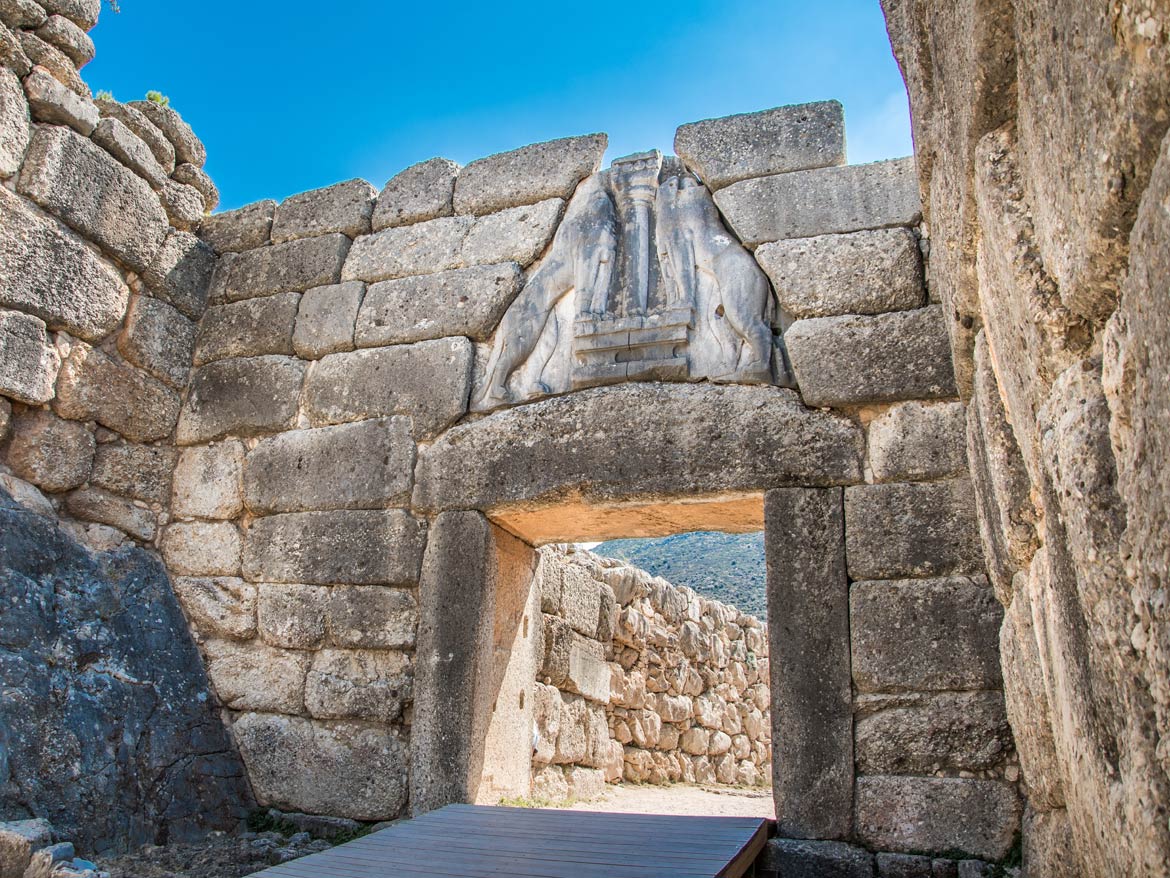
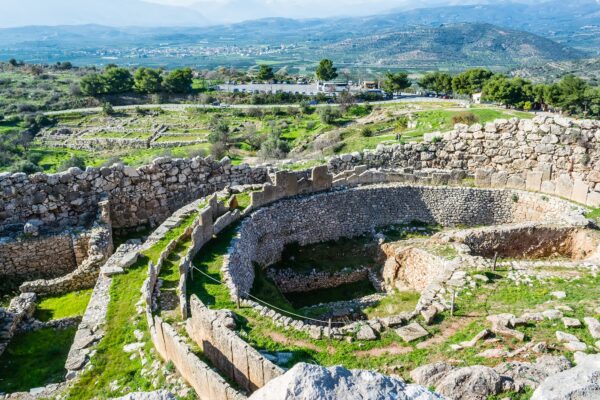
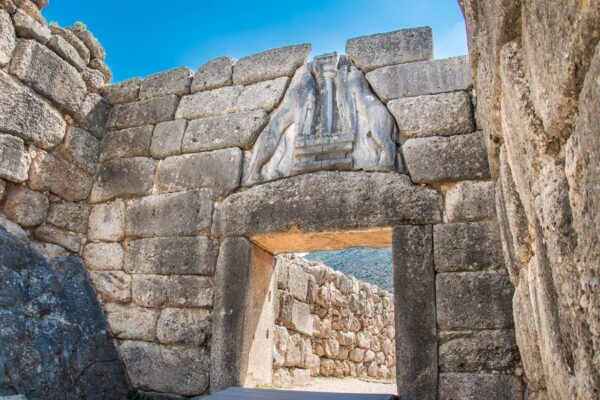
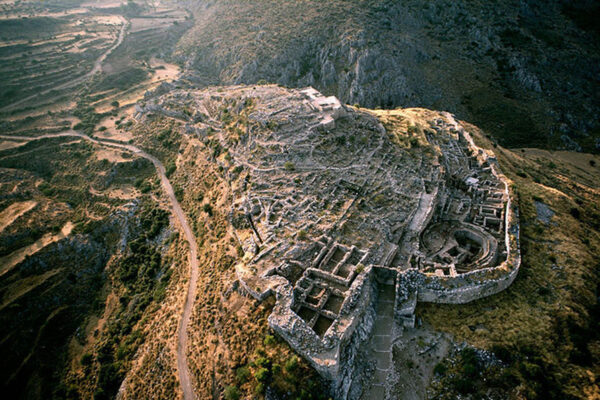
The final stop of Day 1 is perhaps the most emotionally powerful of the entire tour. At Mycenae, as the path narrows toward the citadel entrance, you come face to face with the Lion Gate — built around 1250 BC, the oldest surviving monumental sculpture in Europe. Two carved lionesses flank a column above a lintel block roughly 4.5 meters long, still standing in place after more than three millennia. The stones are so massive and so precisely fitted without mortar that later Greeks assumed they must have been placed by the Cyclopes — the one-eyed giants of mythology.
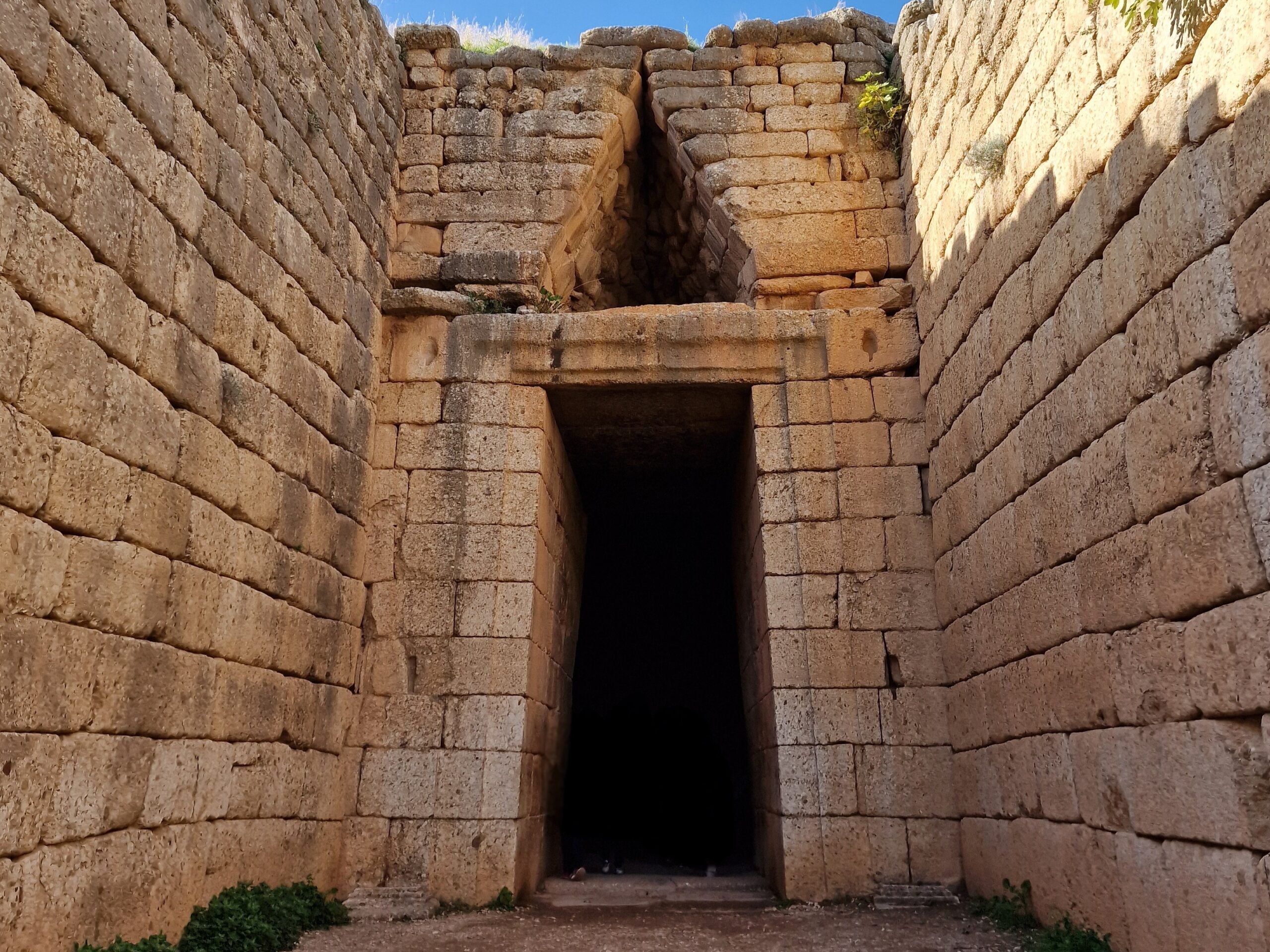
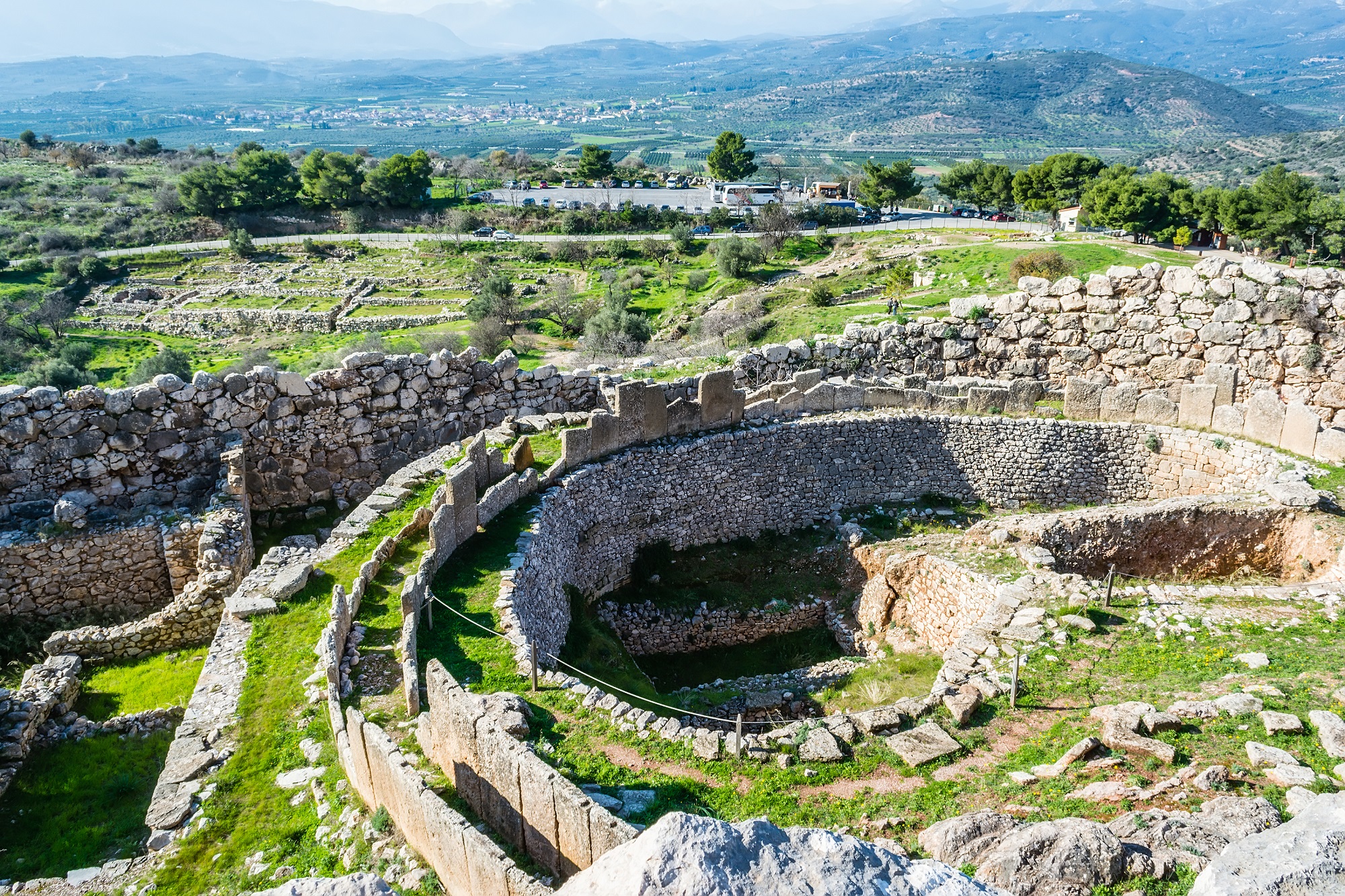
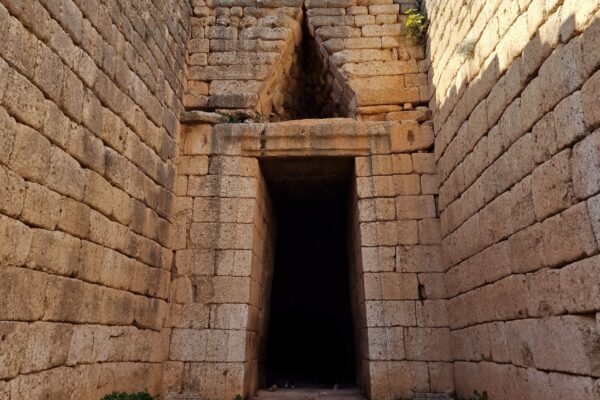
Step through, and you enter the world of Agamemnon, the Trojan War, and the Bronze Age civilization that gave Homer his greatest material. You'll visit Grave Circle A, where Heinrich Schliemann unearthed the famous gold funeral masks in 1876, and the Treasury of Atreus just outside the main site — a corbelled dome tomb of extraordinary engineering precision, built around 1250 BC, that still leaves visitors speechless at its scale.
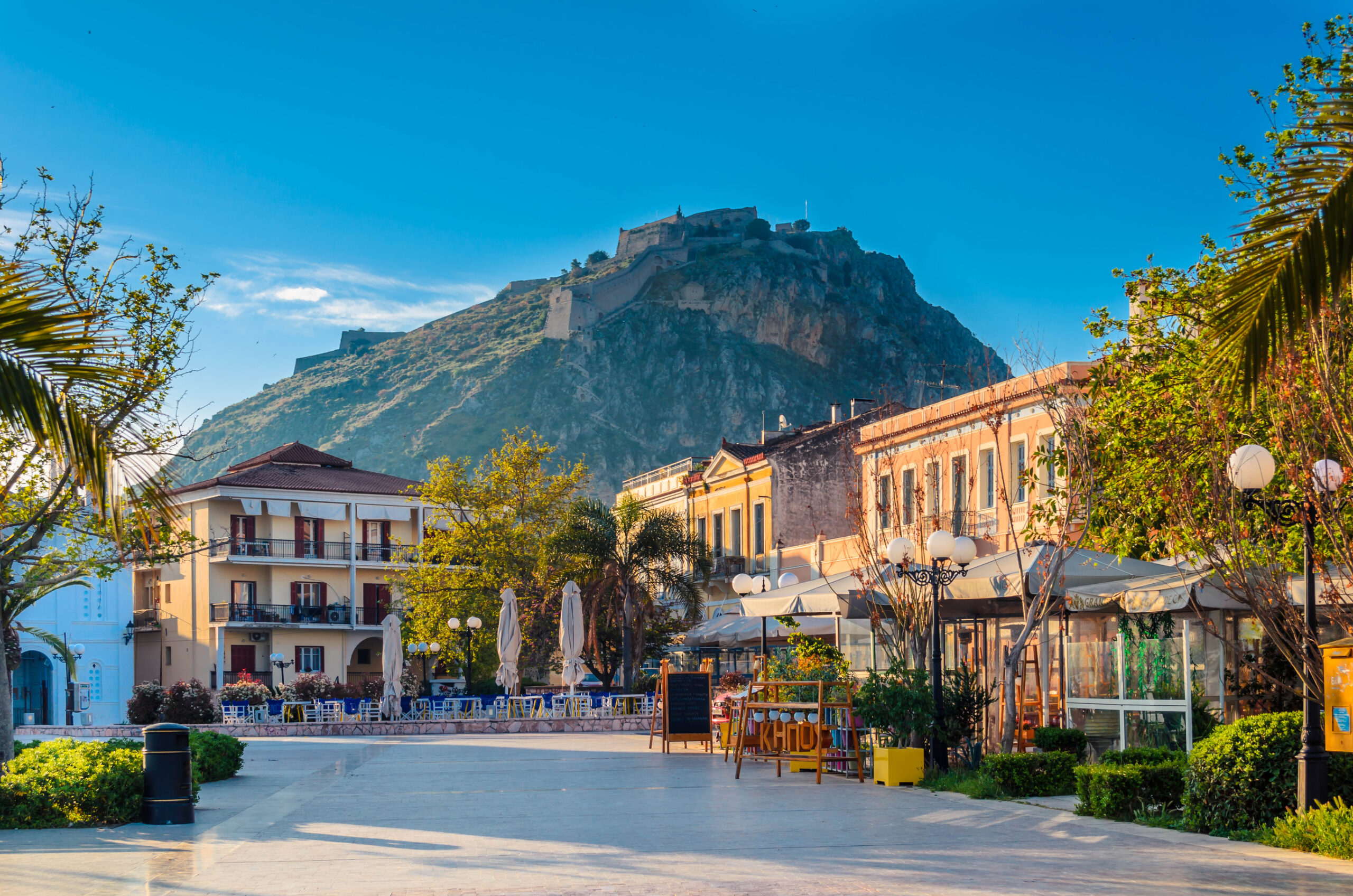
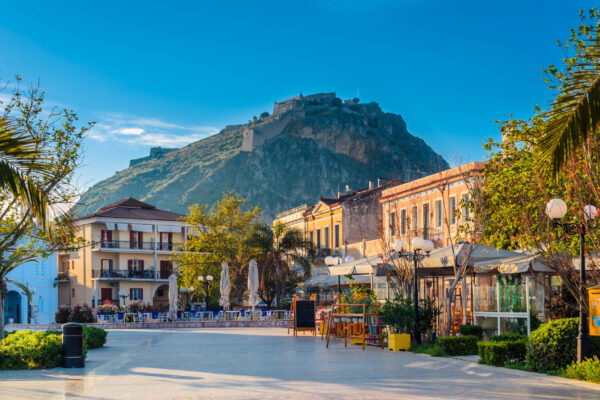
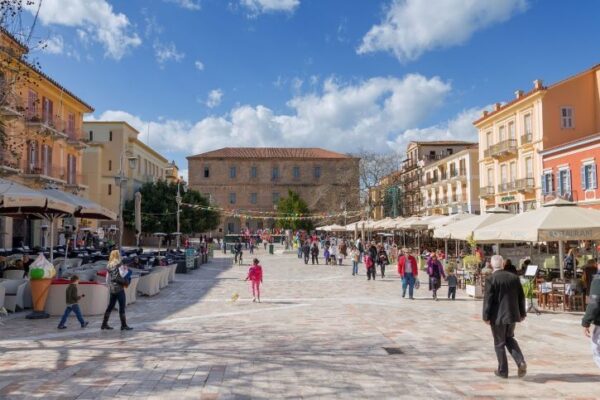
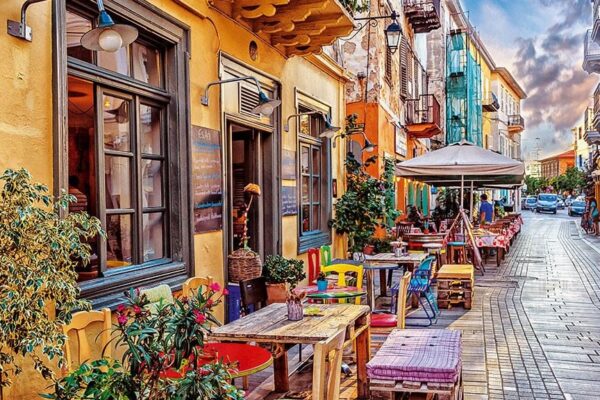
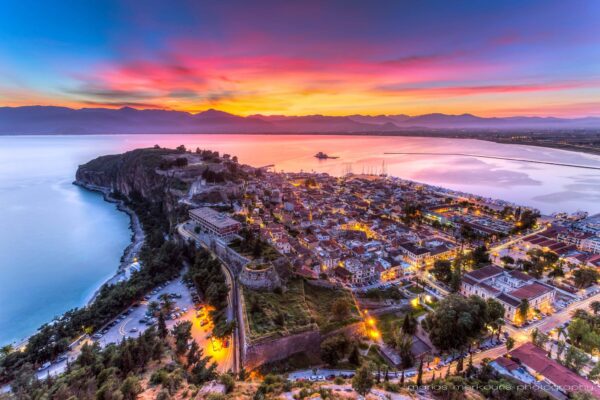
After Mycenae, the tour arrives in Nafplion for overnight — Greece's first modern capital, a Venetian-era town on the Argolic Gulf with cobblestone lanes, the Bourtzi castle floating on the harbor, and some of the best tavernas in the Peloponnese. Dinner here, with a glass of local wine after a day like this, is exactly what the journey deserves.
Day 2: Olympia — The Birthplace of the Games
Driving west through the Peloponnese, the road passes through Nemea — one of Greece's most celebrated wine regions, famous for its deep Agiorgitiko red, a grape variety found almost nowhere else on earth. Our blog has a full guide to the best Greek wines in
Nemea for those who want to explore the region's vineyards before or after the tour.
The Archaeological Museum of Olympia — Start Here
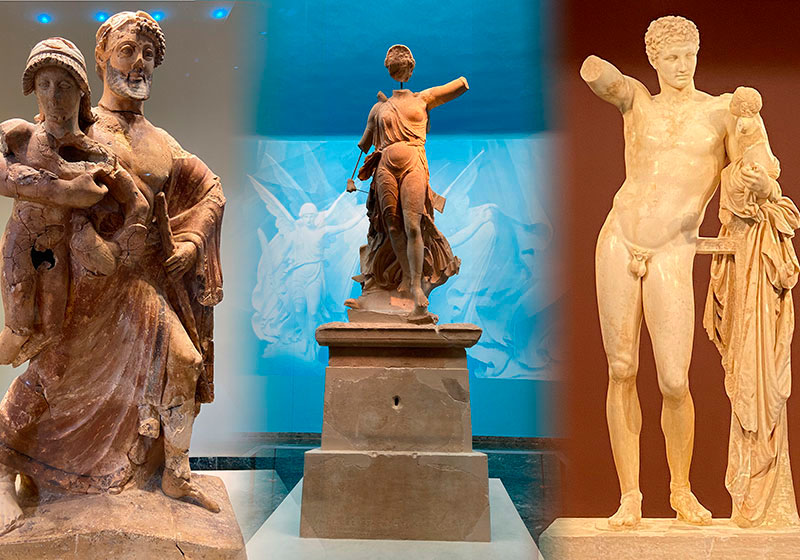
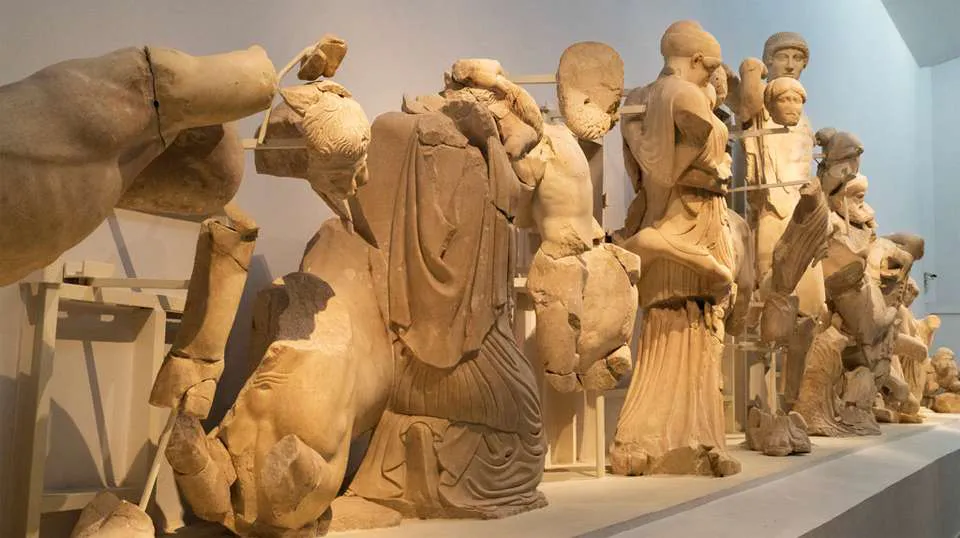
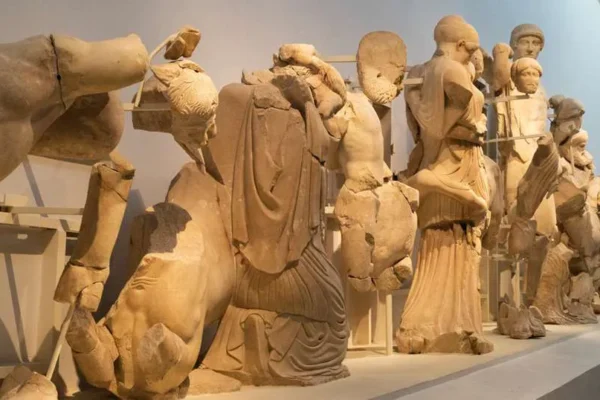
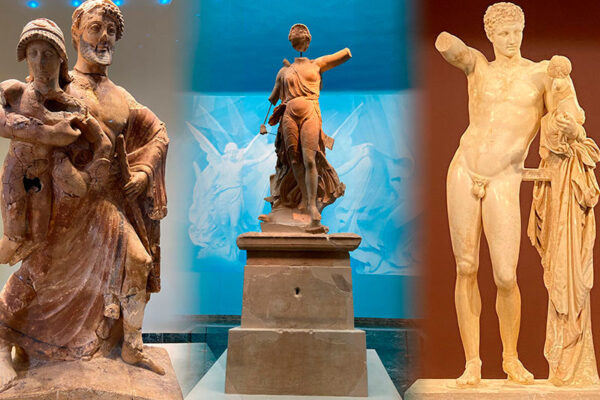
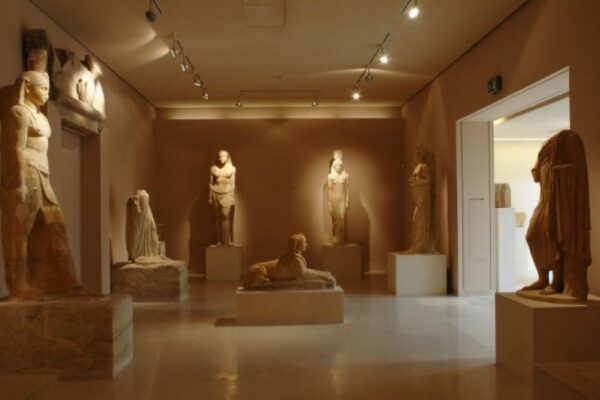
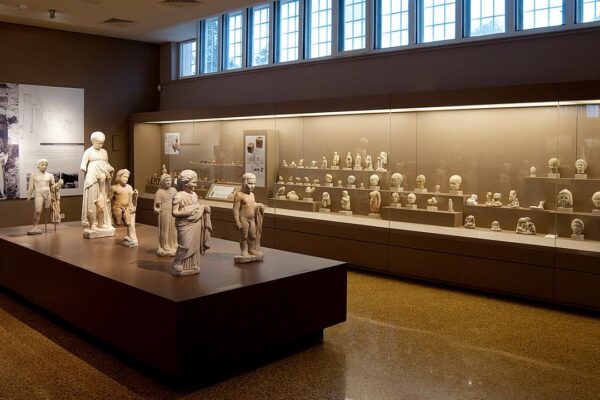
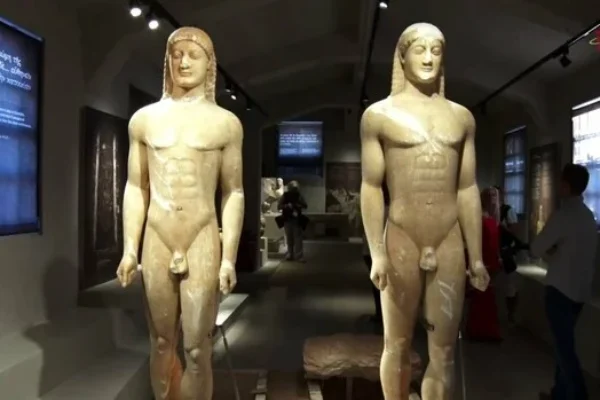
Always visit the museum before the site. Inside, the context it provides transforms the archaeological area from a beautiful ruin into a story you can read. You'll encounter the marble Hermes of Praxiteles — one of the finest surviving examples of classical Greek sculpture — the winged Nike of Paionios, the helmet of Miltiades (the Athenian general who defeated the Persians at Marathon), and the breathtaking sculptural friezes from the Temple of Zeus. The workshop of Phidias is also visible on site — the same sculptor who created the statue of Athena inside the Parthenon in Athens, and later, the colossal gold and ivory statue of Zeus at Olympia, 17 meters tall, counted among the Seven Wonders of the Ancient World.
The Archaeological Site — Walking Where Champions Competed
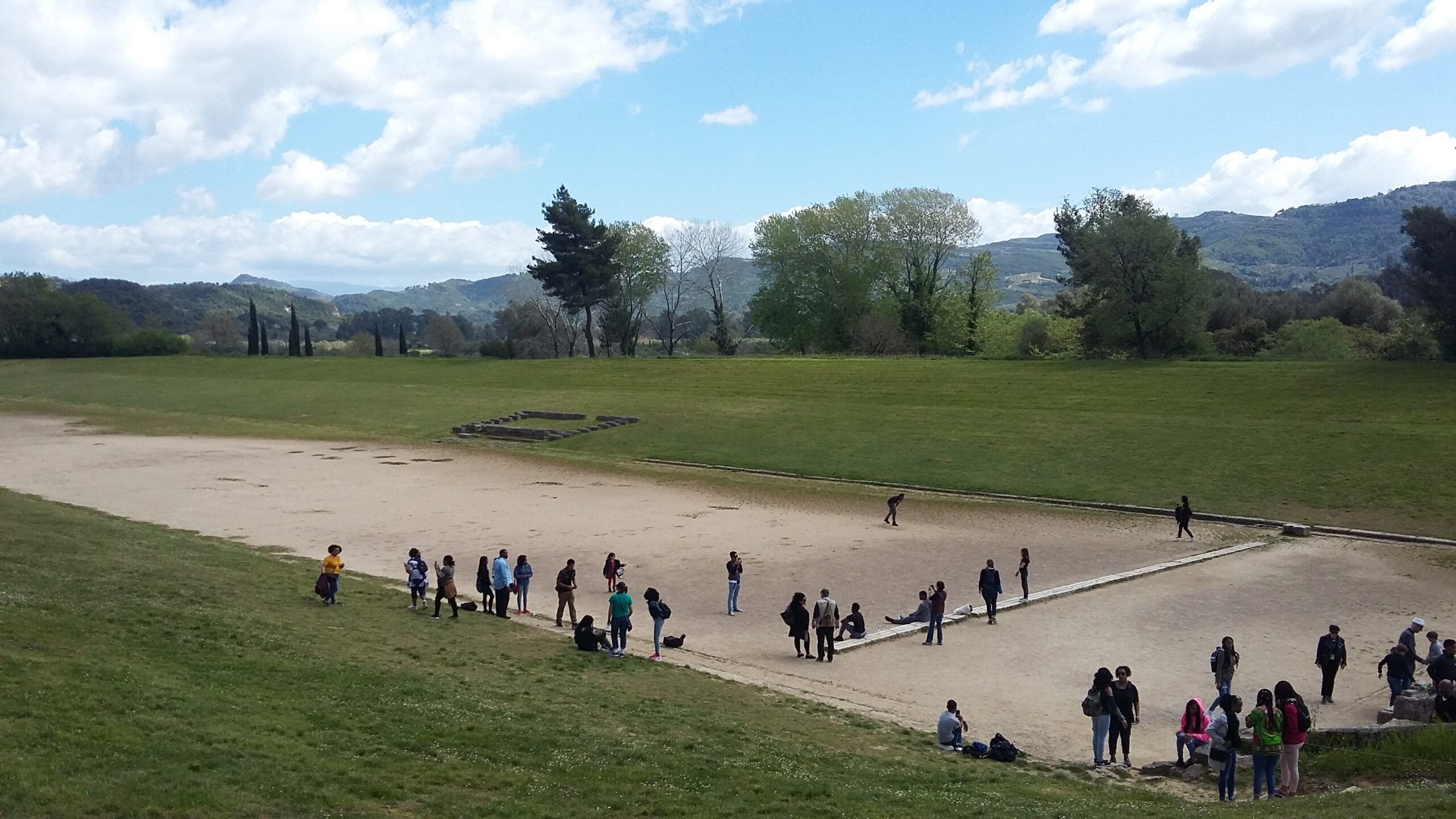
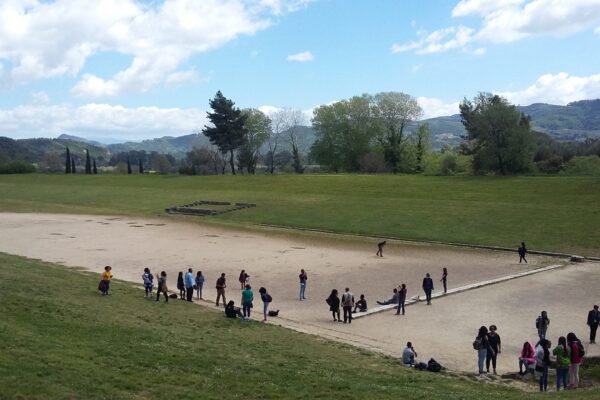
The Olympic Games were held here every four years from 776 BC to 393 AD — not just athletic competition, but a sacred festival in honor of Zeus, during which an Olympic truce was declared across all of Greece so that athletes and spectators could travel safely to Olympia. Months before the games, messengers fanned out across the ancient world carrying the date of the next festival.
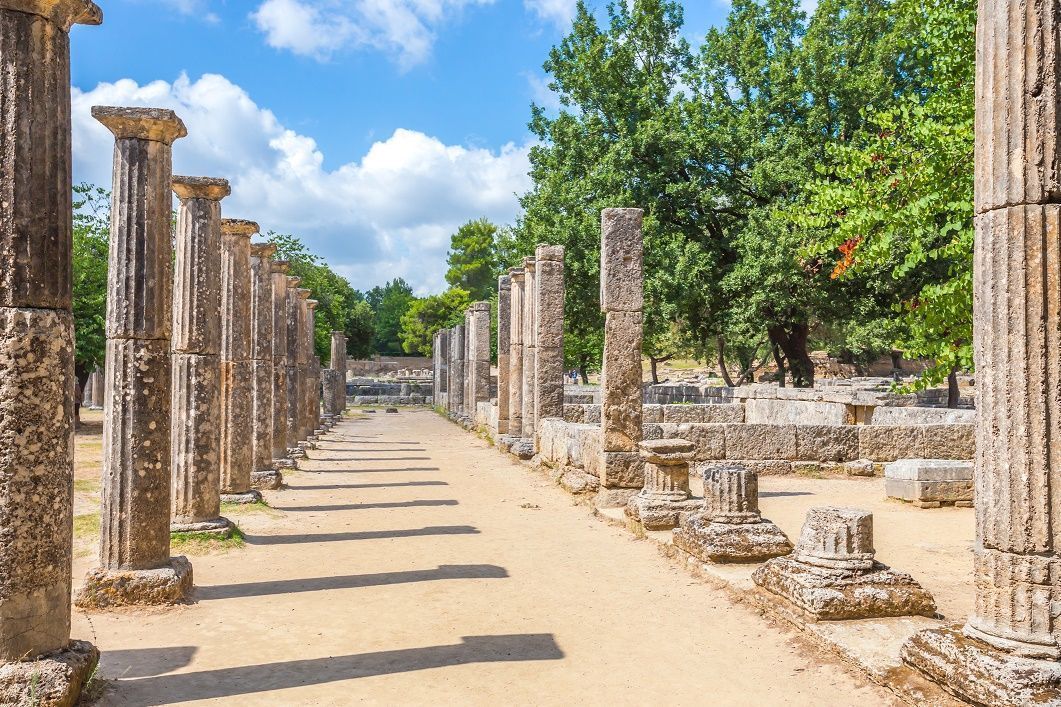
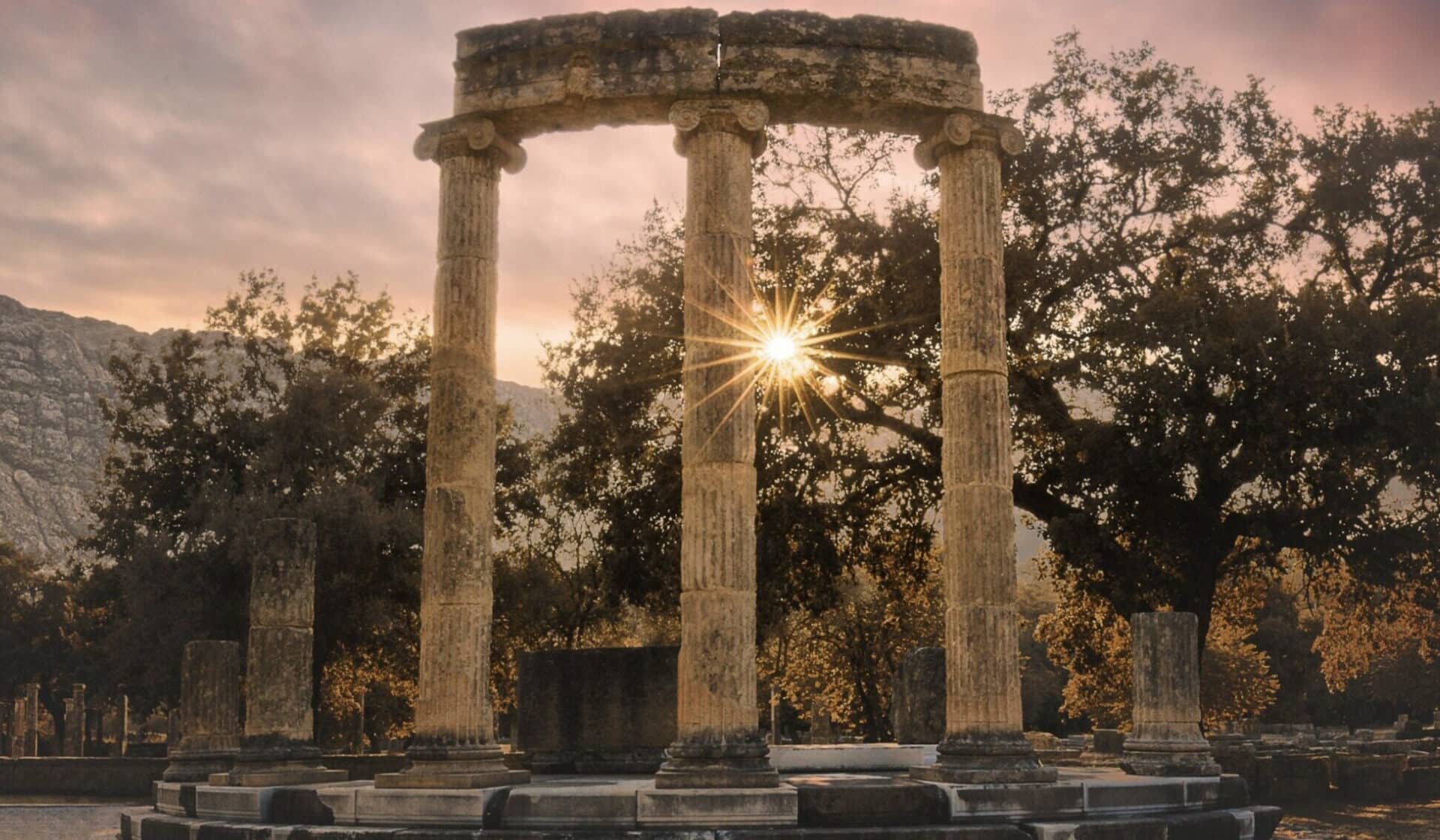
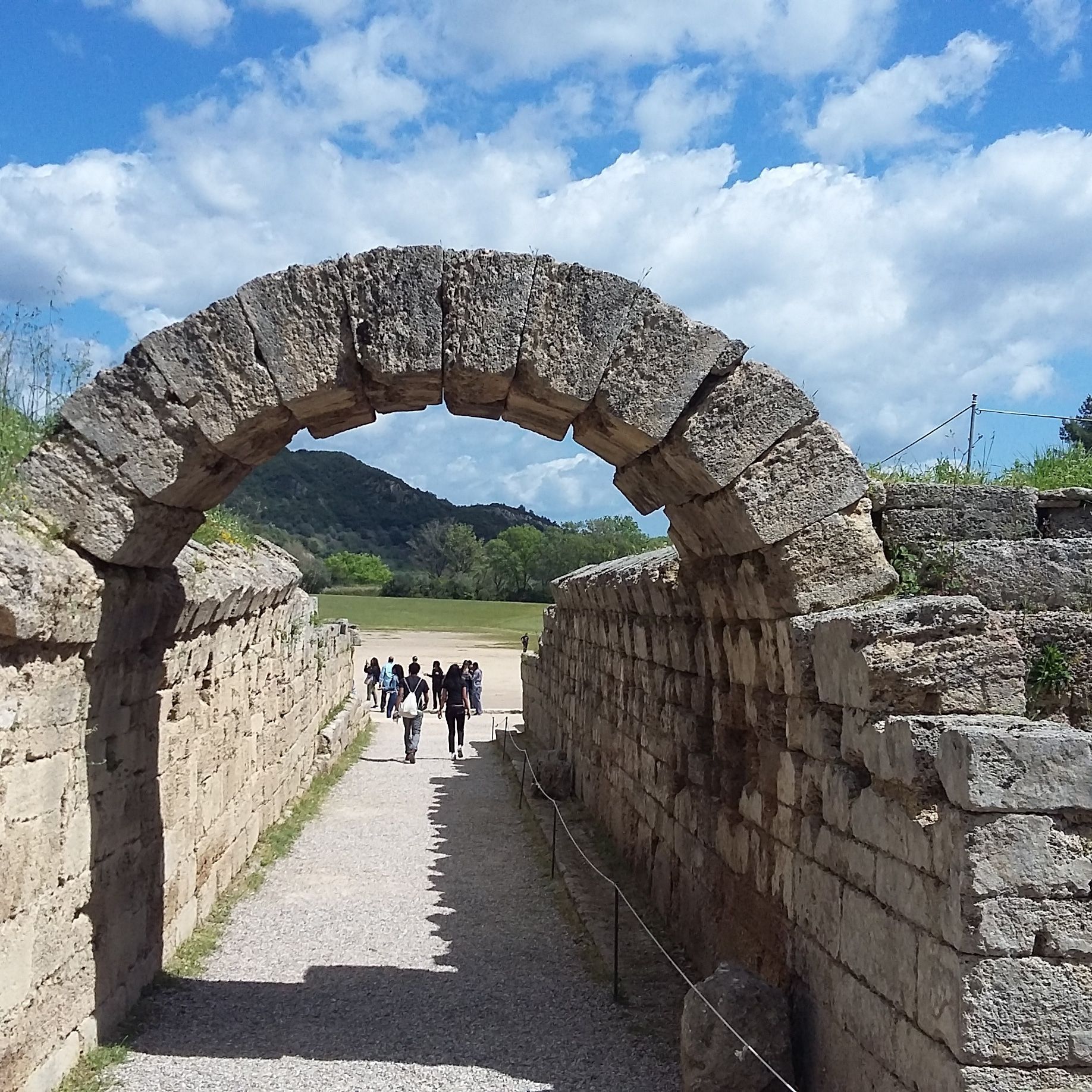
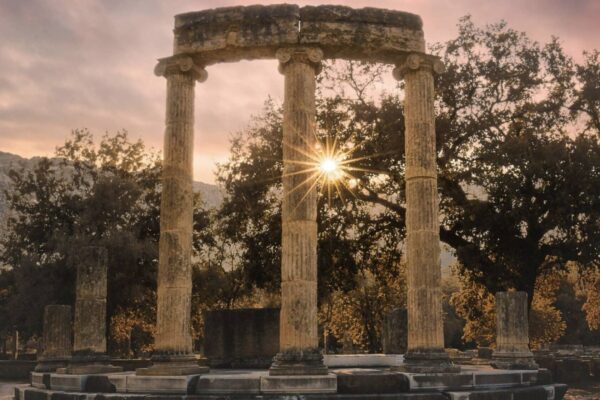
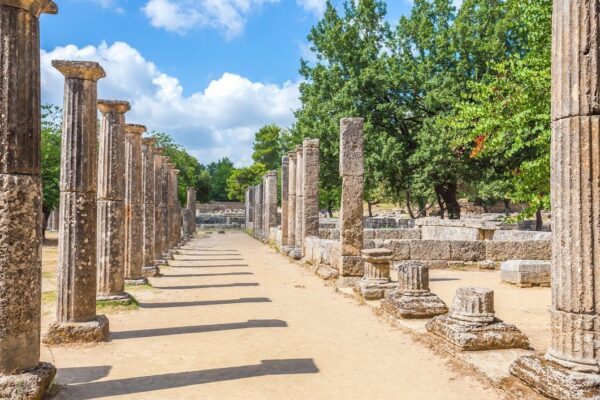
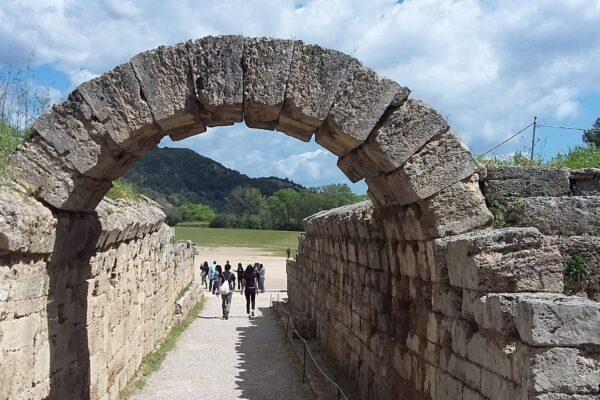
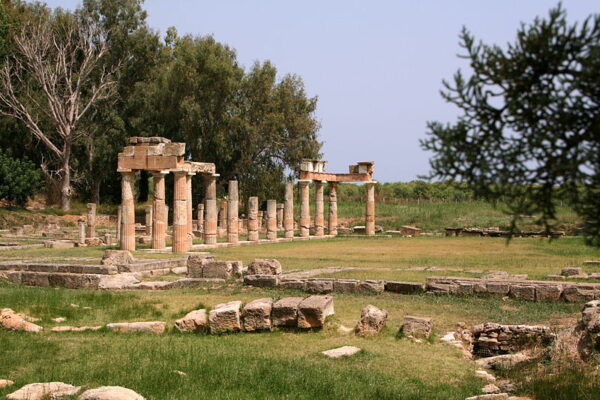
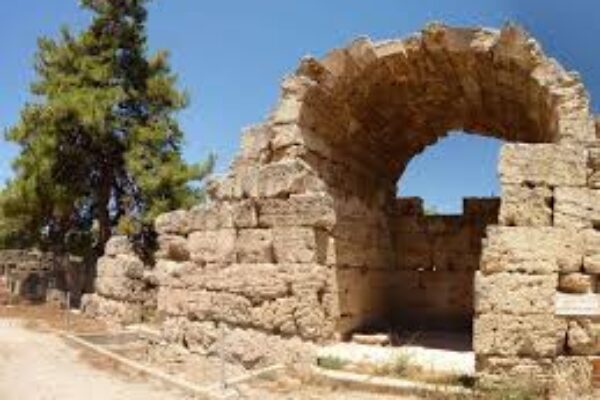
Walking the site, you pass the Temple of Hera (built around 600 BC, one of Greece's oldest surviving Doric temples), the foundations of the Temple of Zeus, the Palestra where athletes trained in wrestling and boxing, the Gymnasium, the Prytaneion where officials and champions gathered — and then the Stadium itself. Step through the vaulted entrance tunnel and you're standing on the same track where the greatest athletes of the ancient world competed for an olive wreath and eternal glory, before crowds of up to 60,000 spectators. Every four years, the Olympic Flame ceremony still takes place in this valley before the Summer Games begin. There are a few places in Greece — or anywhere — where the weight of history feels this immediate.
Day 3: Thermopylae, Delphi — Overnight in Delphi Village
Thermopylae — Where 300 Spartans Held an Empire
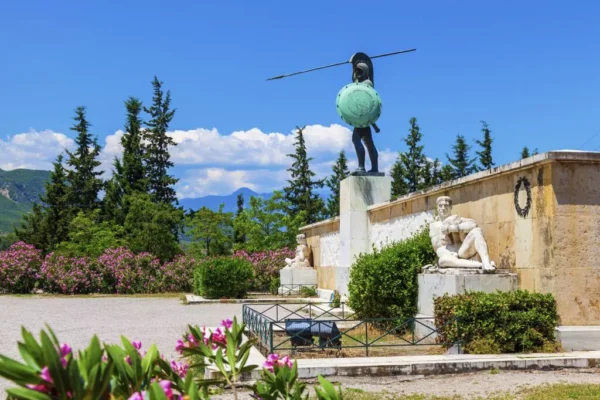
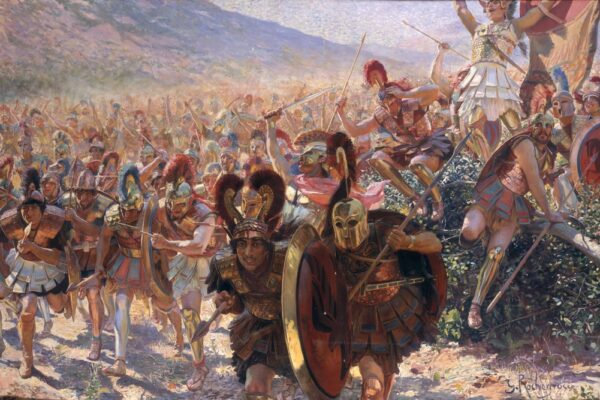
Heading north from Olympia, the tour stops at Thermopylae — the narrow coastal pass where, in 480 BC, King Leonidas and his 300 Spartans held the entire Persian army of Xerxes for three days. It is one of the most celebrated acts of military sacrifice in history, a battle that bought enough time to save Greek civilization from Persian conquest and permanently shaped the idea of courage in the Western imagination.
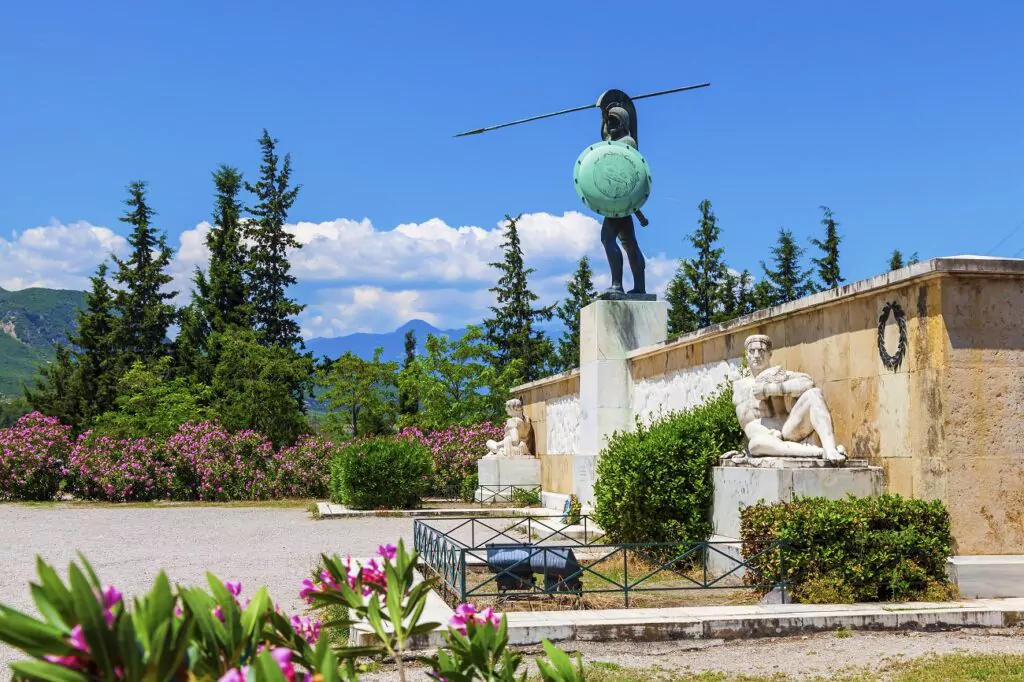
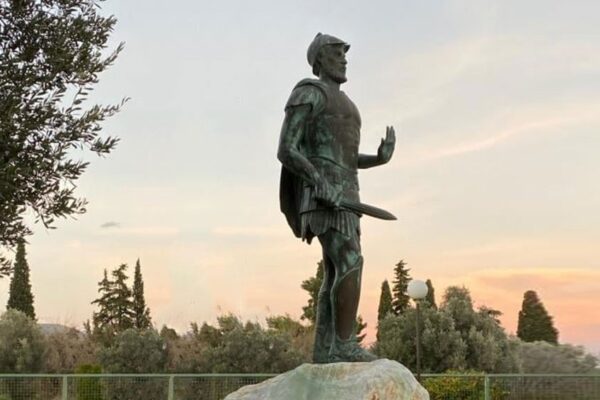
At the site, you'll see the battlefield, the impressive bronze statue of Leonidas standing watch over the pass, and a short documentary that brings the details of the engagement vividly to life. It's a stop that people consistently describe as more moving than they expected.
Ancient Delphi — The Oracle at the Center of the World
Arriving in the afternoon, the archaeological site of
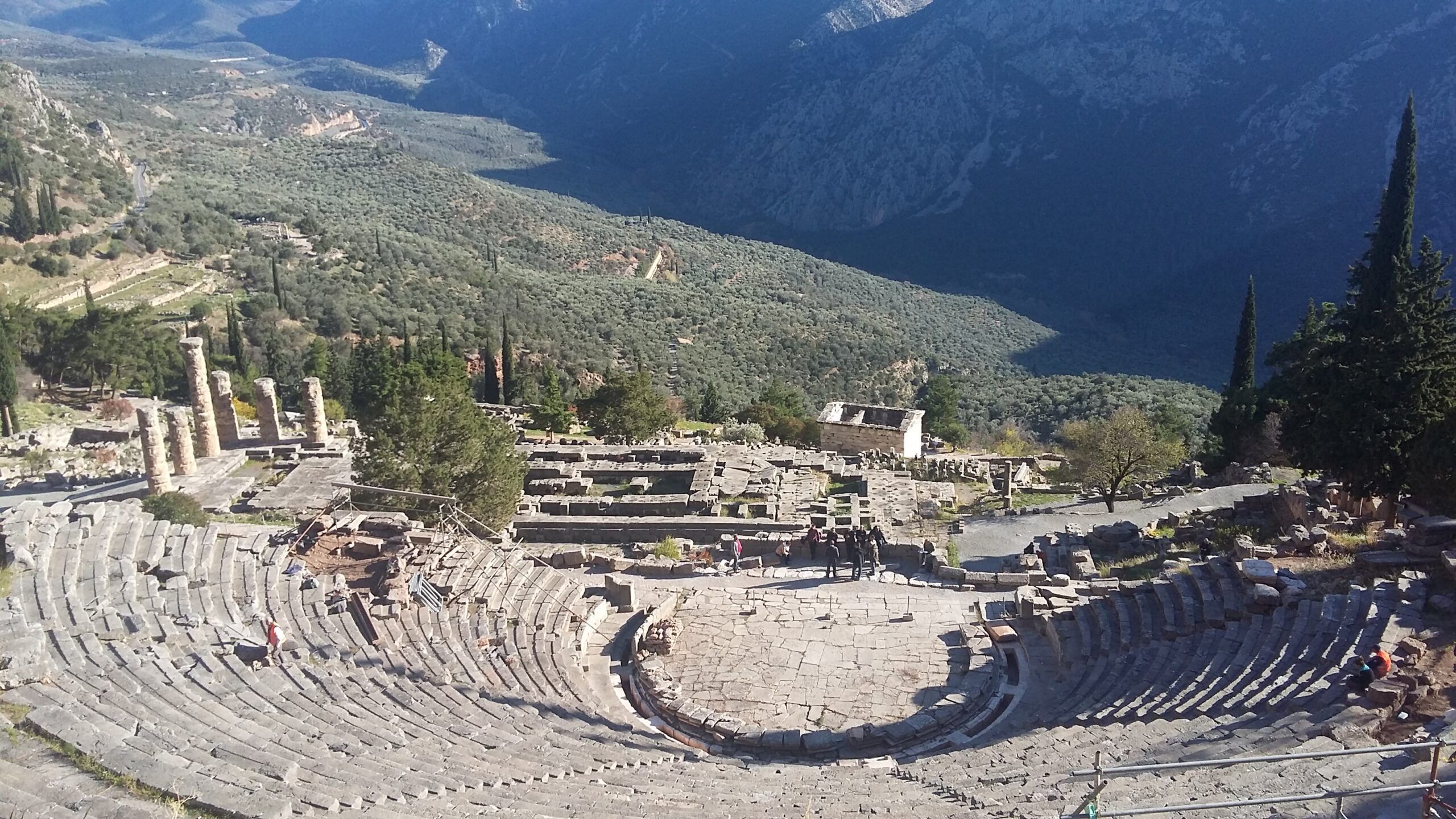
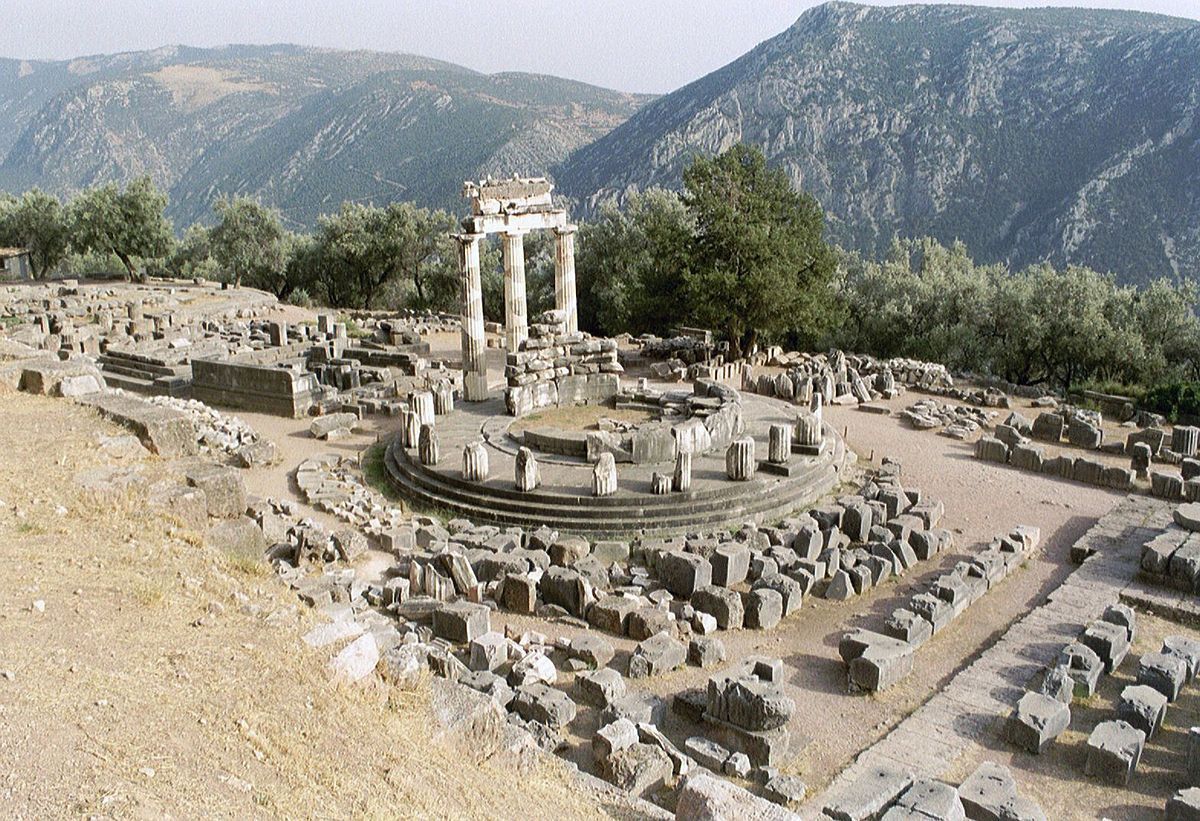
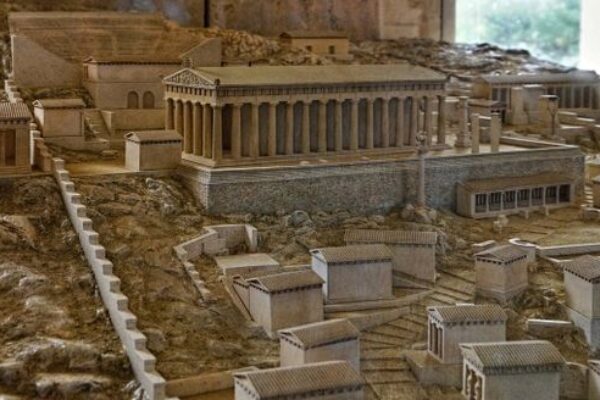
Delphi rewards those who come with time to spend. This was the most important religious sanctuary in the ancient Greek world — the place where the Oracle of Apollo answered the questions of kings, generals, city-states, and ordinary citizens for nearly a thousand years. According to myth, Zeus released two eagles from opposite ends of the earth to find its center. They met at Delphi. He threw a stone — the omphalos — to mark the spot, and you can still see it in the museum today.
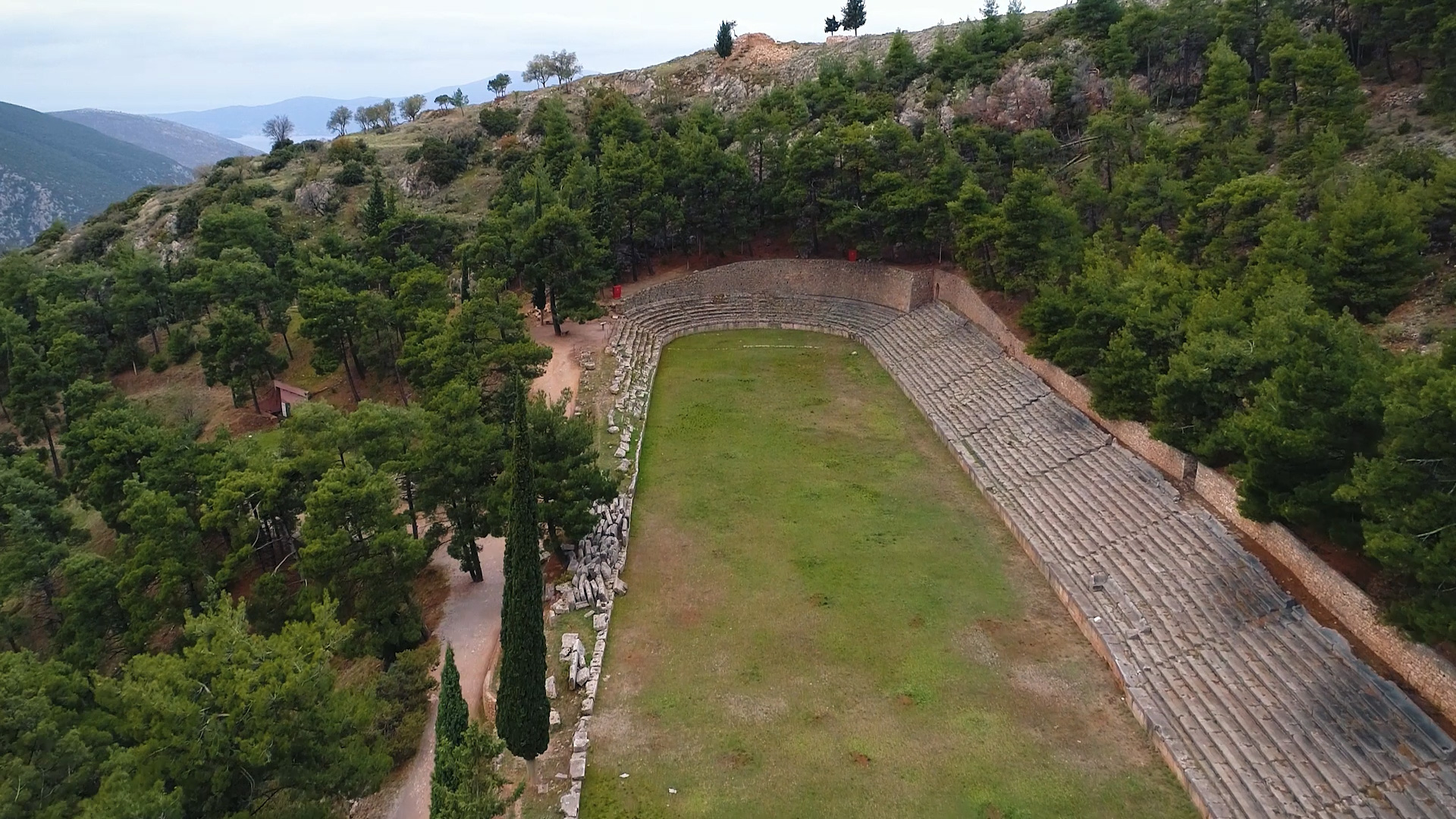
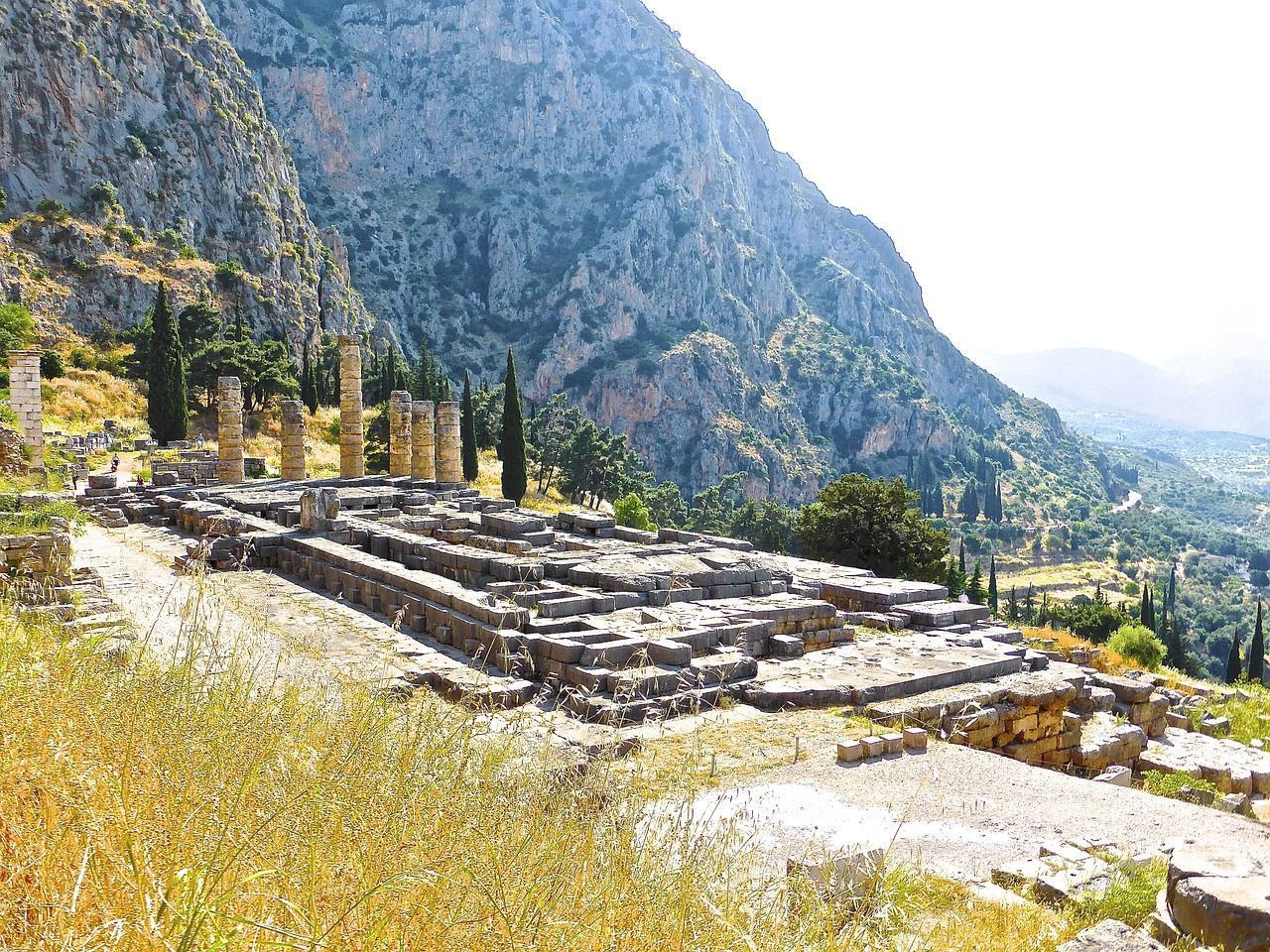
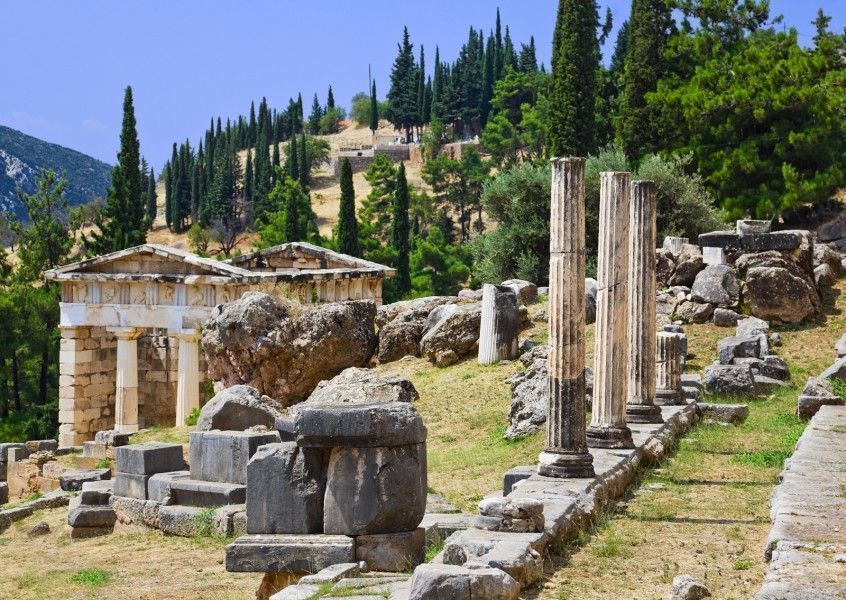
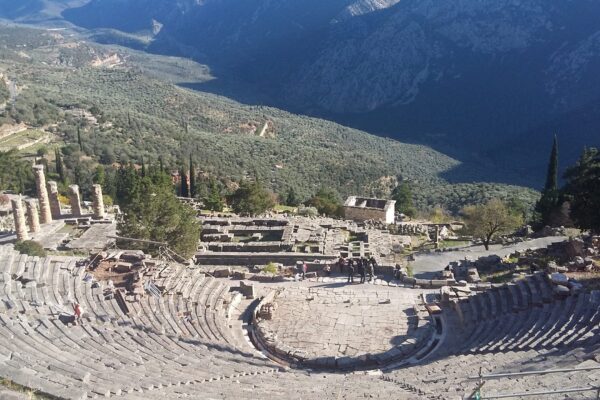
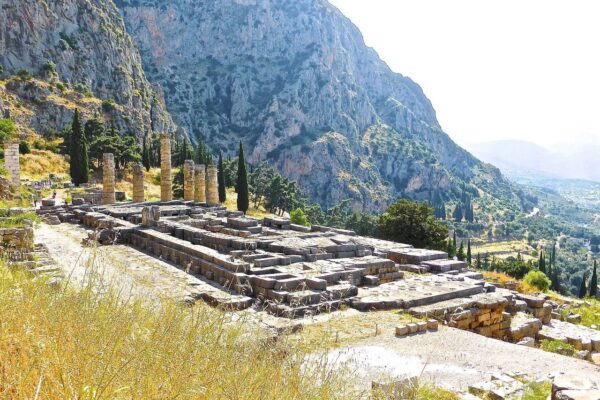
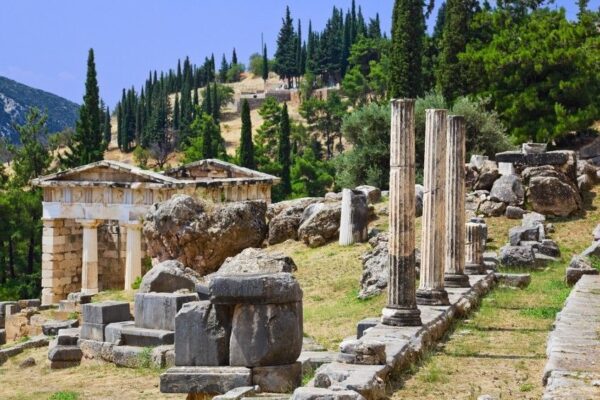
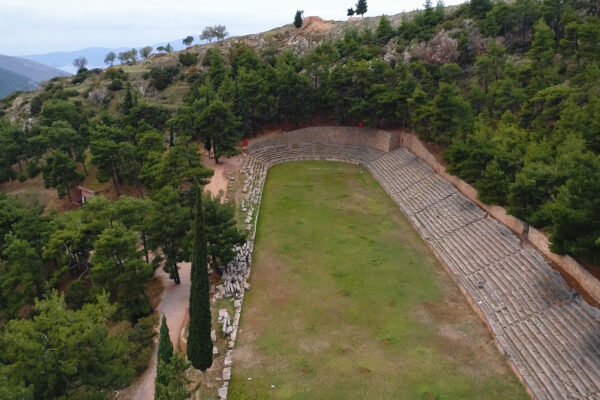
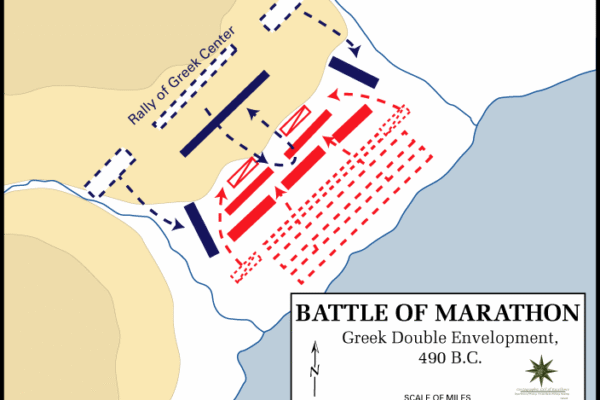
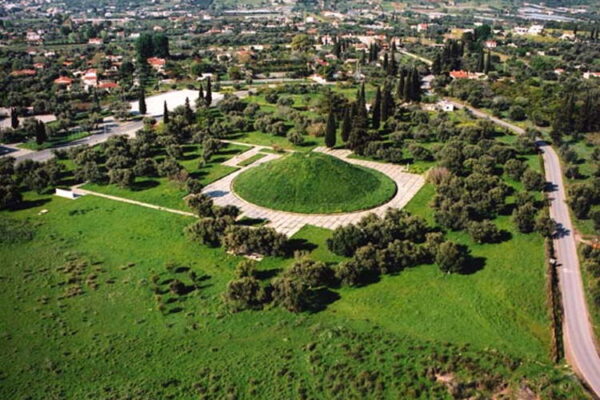
Walking the Sacred Way uphill through the sanctuary, you pass the treasuries built by Greek city-states as offerings to Apollo — including the Treasury of Athens, built from the same Pentelic marble as the Acropolis to celebrate the victory at Marathon in 490 BC. At the top stands the Temple of Apollo, where the priestess Pythia sat on her tripod, entered a trance — possibly from vapors rising through a fissure in the earth — and delivered the god's answers in riddles that shaped wars, political decisions, and the founding of colonies across the Mediterranean. The ancient theatre above the temple is beautifully preserved, and higher still, the Stadium where the Pythian Games were held every four years, the second most prestigious athletic competition in the ancient world after Olympia.
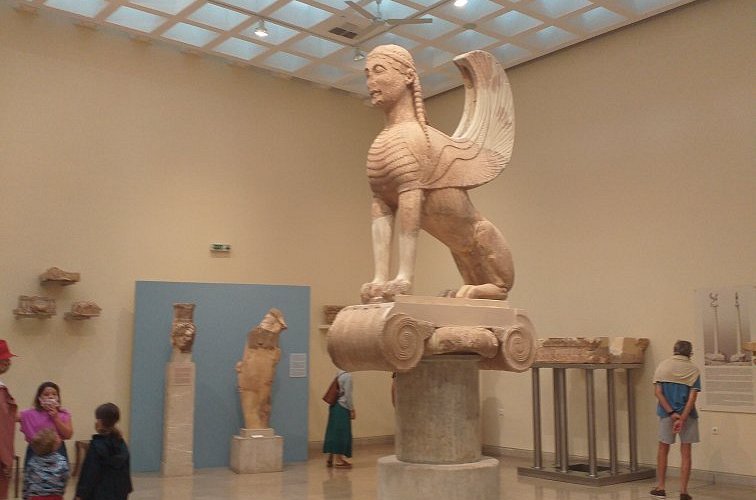
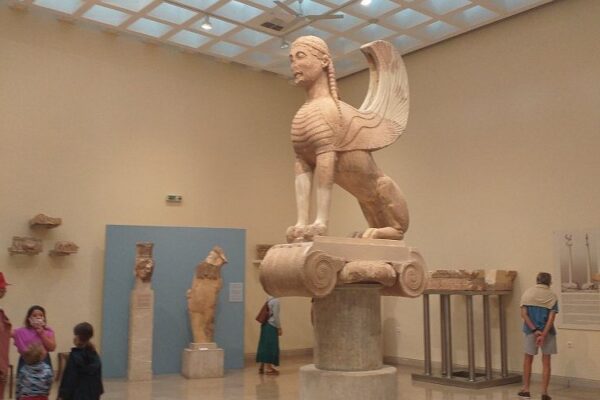
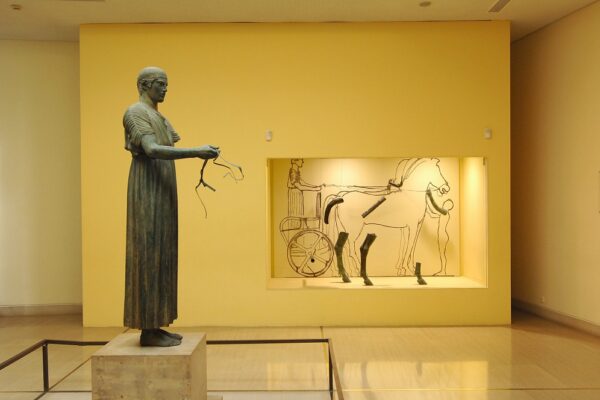
Inside the Delphi Museum, the bronze Charioteer — cast around 478 BC — is one of the finest surviving examples of ancient Greek bronze work. The colossal Sphinx of the Naxians, the statue of the Three Dancers, and the sculptural friezes depicting the Labors of Hercules complete a collection that stands among the best in Greece.
After the site, the evening is yours in the village of Delphi — a small, quiet village perched above the valley with some excellent tavernas, cool mountain air, and views over the olive groves below that stretch all the way to the Gulf of Corinth.
Day 4: The Monasteries of Meteora — Return to Athens
Arriving in Kalambaka — The View Before the Monasteries
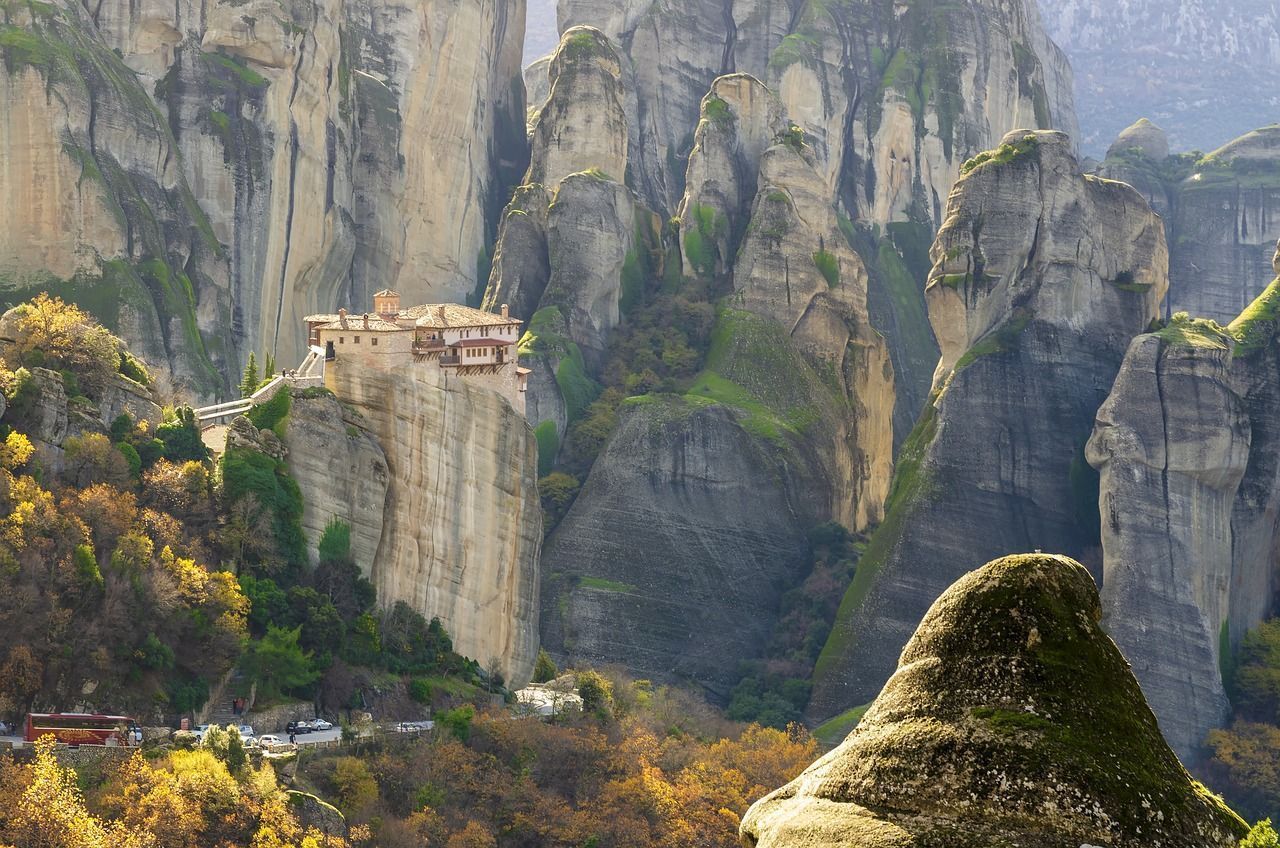
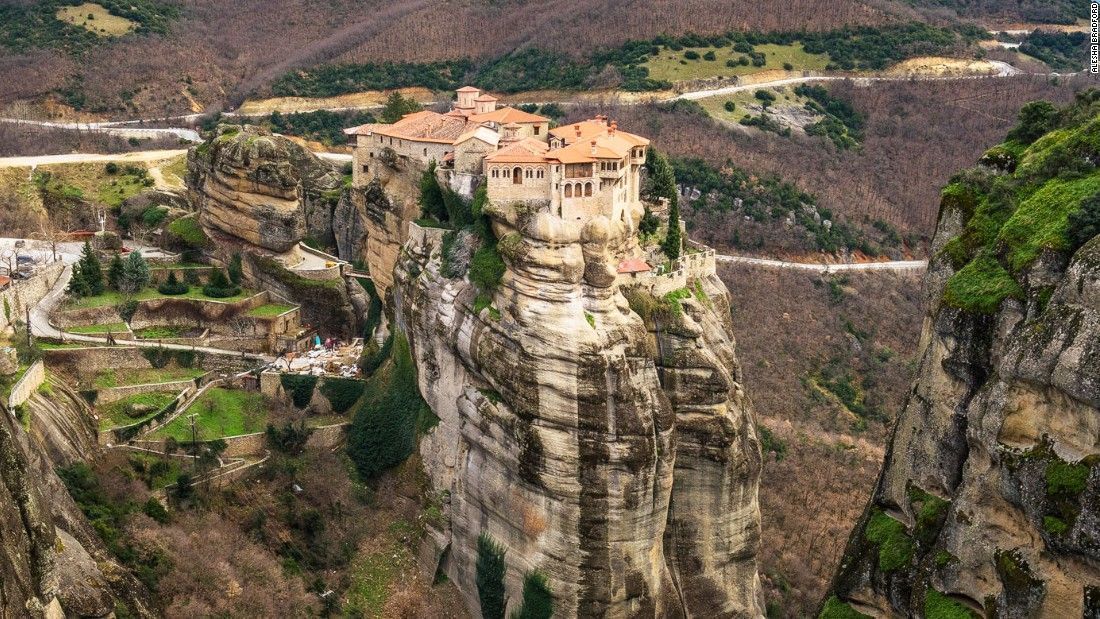
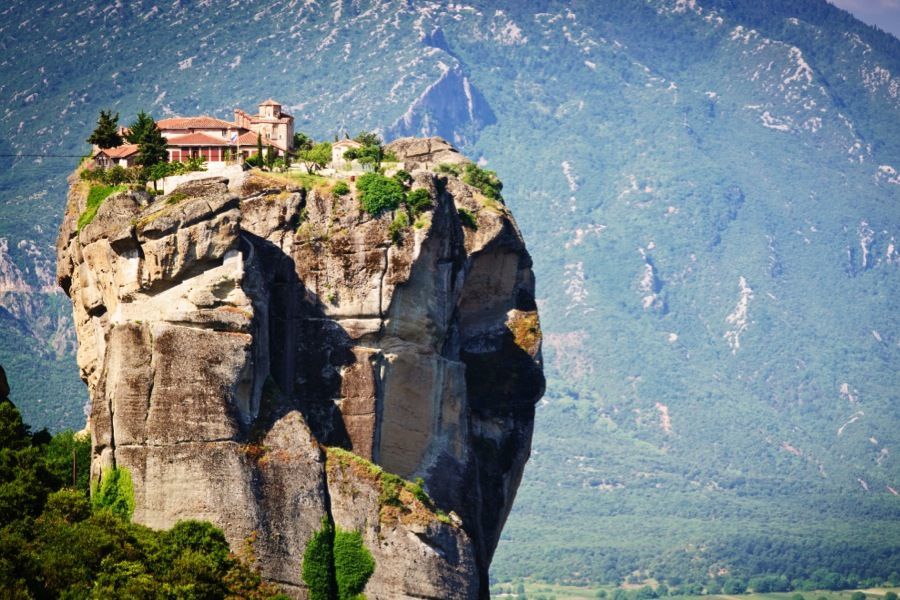
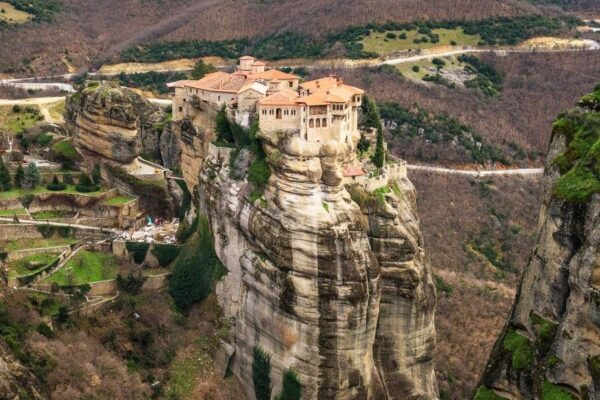
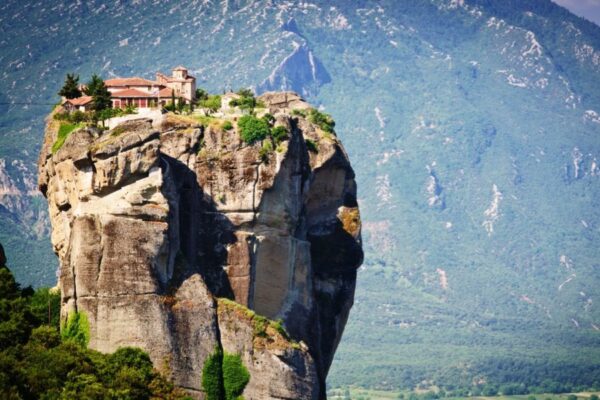
The drive north from Delphi to Kalambaka passes through the mountains of central Greece, descending eventually into the Thessalian plain, where the rocks of Meteora suddenly rise from the flat landscape like something from a different planet. Pulling into Kalambaka and seeing the sandstone pillars for the first time — some rising 400 meters above the valley floor — is a moment that genuinely stops the breath.
The name Meteora means "suspended in the air" in Greek. Standing below the rocks and looking up, it's hard to argue with that description.
The Monasteries — Varlaam, Megalo Meteoro & St. Stephen
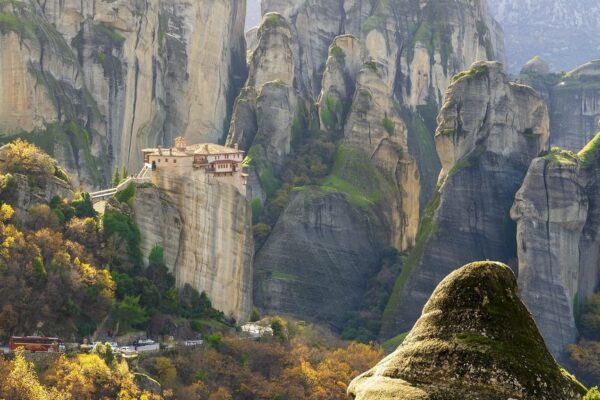
Of the 24 monasteries built here during the great monastic revival of the 15th century, six remain active today. The tour visits the three most significant. Varlaam, built in 1542, is decorated with extraordinary 16th-century frescoes by the Theban painter Fragko Katelanos and once housed one of the most important manuscript libraries in Byzantine Greece. Megalo Meteoro — the Great Meteoron — is the largest monastery in Meteora, founded in the 14th century by Saint Athanasius, who was the first to establish permanent monastic life on these rocks. Its katholikon (main church) contains frescoes of remarkable quality, and its museum holds relics, manuscripts, and liturgical objects accumulated over six centuries of unbroken community life. The third stop, St. Stephen's Monastery, is one of the most accessible — built on a broad platform of rock and reached by a bridge, it offers some of the most spectacular views across the Thessalian plain of any monastery on the circuit.
Monks and nuns still live and worship in these monasteries today. Move quietly through the chapels and dress modestly — shoulders and knees must be covered, and wraps are available at the entrance if needed. These are active places of prayer, not open-air museums.
The Meteora Sunset — The Most Memorable Moment of the Tour
As the afternoon light shifts and the tour's monastery visits are complete, there is still one experience left — and for many guests, it becomes the single most memorable moment of the entire four days. The sunset at Meteora, watched from the right vantage point above the valley as the light turns golden and the rock pillars and monasteries are bathed in warm amber and deep shadow, is one of those travel experiences that photographs struggle to capture and words barely do justice to.
Sitting on the edge of the cliffs in the evening breeze, watching the sun slowly sink behind the mountain ridges while the silhouettes of the monasteries darken against a fading sky, it becomes immediately clear why monks chose these particular rocks, in this particular valley, to build their lives. Both the geological formations and the monasteries are listed together as a UNESCO World Heritage Site, and moments like this one explain exactly why.
After the sunset, the tour returns to Athens — arriving late in the evening, completing a four-day circuit that covers more living history than most people encounter in a lifetime of travel.
What's Included in the Classical Tour of Greece
- Expert English-speaking guide throughout all four days
- Corinth Canal stop
- Ancient Corinth archaeological site
- Theatre and Sanctuary of Epidaurus
- Mycenae — Lion Gate, Treasury of Atreus, citadel
- Overnight in Nafplion
- Archaeological Museum of Olympia
- Ancient Olympia site, including the Stadium
- Thermopylae battlefield and Leonidas statue
- Ancient Delphi — Sacred Way, Temple of Apollo, theatre, stadium, and museum
- Overnight in Delphi village
- Drive to Kalambaka — Meteora
- Three monasteries: Varlaam, Megalo Meteoro, St. Stephen
- Meteora sunset viewpoint
- Return transfer to Athens
Practical Information
Best time to travel: April through June and September through October are ideal across all four days. Olympia and Delphi involve significant walking on exposed terrain and can be very warm in July and August. The Meteora area is beautiful in every season — in winter, snow on the rocks creates an extraordinary landscape, and the monasteries are far quieter. Our blog covers the full
climate of Greece by region and month for anyone planning around the weather.
Dress code at Meteora: Shoulders and knees must be covered to enter all six monasteries. Wraps are usually available at the entrance, but bringing your own is easier. The rocks and paths around the monasteries can be uneven — wear shoes with grip.
Why This Tour Works — and Why a Guide Makes All the Difference
Each of the four days on the classical tour of Greece covers more meaningful history than most people encounter in an entire trip abroad. What makes it work as a circuit — rather than just a collection of impressive sites — is the narrative thread that connects them: the Bronze Age world of Mycenae, the classical sanctuaries of Delphi and Olympia, the battlefield where Greek freedom was defended at Thermopylae, and the Byzantine monasteries of Meteora where that civilization's spiritual heir built something extraordinary on the edges of impossible rocks.
A knowledgeable guide holds that thread from day one to day four. The sites are impressive without one. With one, they become a story — one of the greatest ever told, unfolding across some of the most beautiful landscapes in Europe.
With more than 20 years of experience organizing private tours across mainland Greece, we know these routes in every season, at every hour, and we build every itinerary around making the most of what each place has to offer.
Book your classical tour of Greece today — and experience the ancient world the way it deserves to be seen.